

Table of Contents
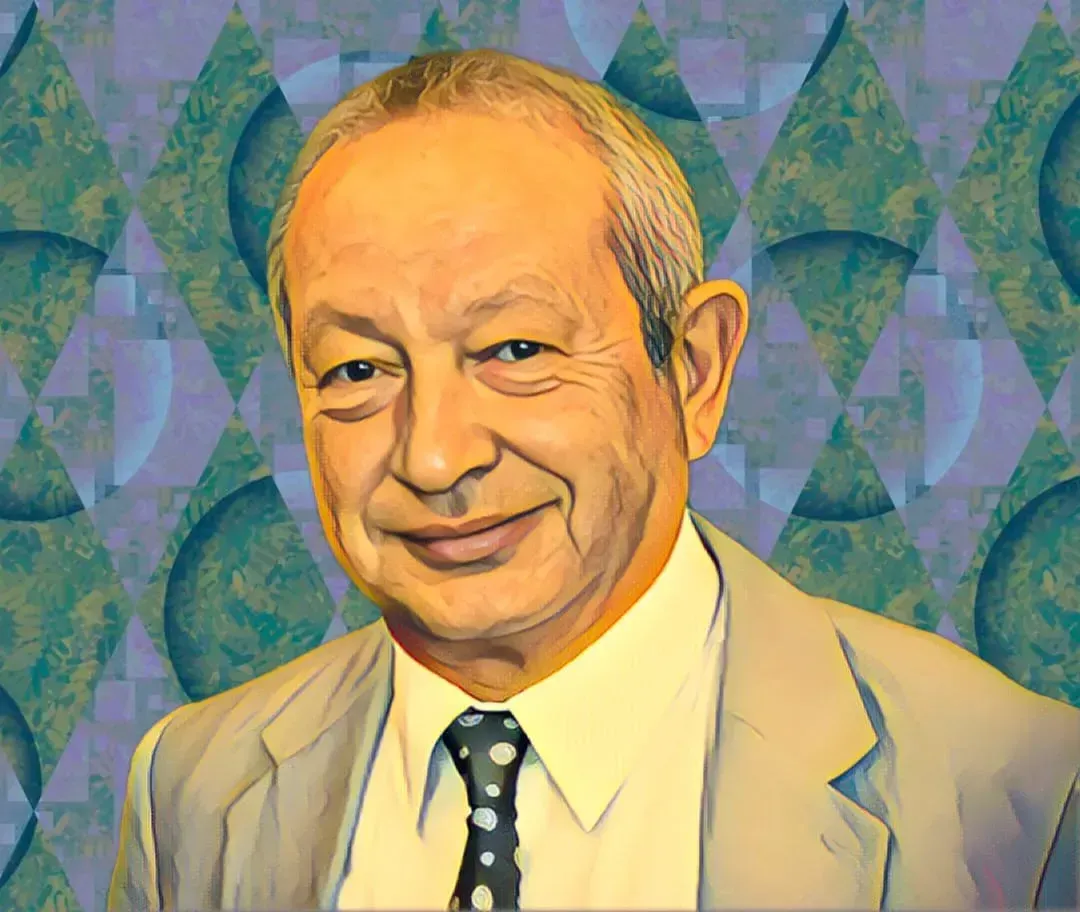
Naguib Sawiris has a habit of saying what Egypt's business establishment thinks but rarely says in public. This week he said it again, and the response was exactly what anyone familiar with his track record would have predicted: instant, heated and nationwide.
The Egyptian billionaire and co-founder of Orascom sparked fierce public debate after taking to social media to call for the closure of Egypt's state television channels, arguing that they represent a wasteful drain on public finances that cannot be justified by the audiences they attract.
"Three billion Egyptian pounds in annual losses from taxpayers' money for channels that nobody watches," Sawiris wrote in a post that circulated rapidly across Egyptian social media platforms. The comment was characteristically blunt and characteristically precise, naming a specific figure rather than speaking in generalities.
The 3 billion pound figure, equivalent to approximately $61 million at current exchange rates, refers to the losses accumulated annually by the Egyptian Radio and Television Union, the state body that controls Egypt's public broadcast channels. The ERTU operates dozens of television and radio channels and has long been criticised by economists and media reformers for consuming significant public subsidy while delivering declining viewership in the face of competition from satellite news channels, streaming platforms and social media.
Sawiris's argument is not new in Egyptian policy circles. Economists and media analysts have argued for years that the state broadcasting infrastructure was designed for a media environment that no longer exists, and that the public funds deployed to maintain it would be better directed elsewhere. What makes the argument different when Sawiris makes it is the platform, the name and the willingness to state the conclusion directly rather than dress it in technical language.
The response was immediate and polarised. Supporters of the proposal pointed to the consistent losses, the declining relevance of state television in Egypt's increasingly competitive media landscape and the opportunity to redirect 3 billion pounds annually toward healthcare, education or infrastructure. Critics argued that state television serves a public information function that commercial media cannot be relied upon to fulfil, and that closing it would eliminate one of the few broadcast outlets not controlled by private business interests.
Sawiris has a complex relationship with Egyptian media. He founded ON TV in 2009, making him a private media operator with a direct commercial interest in the competitive landscape he was commenting on. He later sold the channel under circumstances that were never fully explained. His current media exposure is primarily through his social media platforms and public statements rather than through any channel he controls, which gives his interventions a different character than those of an active broadcaster.
His criticism of state losses is also consistent with a broader philosophy he has expressed repeatedly over the years about the Egyptian public sector. He has previously called out EgyptAir losses, public sector inefficiency and what he has described as the systemic failure of state-owned enterprises to operate on commercial terms. In each case, the public reaction has followed a similar pattern: initial controversy, significant social media debate and then gradual acknowledgment from within government circles that the underlying diagnosis is not entirely wrong.
Naguib Sawiris is the eldest of the three Sawiris brothers who together run the Sawiris family business empire, one of the largest private commercial groups in Africa and the Middle East. His personal net worth has been estimated by Forbes at approximately $3.1 billion, built primarily through Orascom's telecommunications, construction and media holdings.
The intelligence satisfies curiosity. The paid briefings satisfy strategy.
Every Monday, Elite subscribers receive an Investor Memo breaking down the deal, the structure and the positioning behind the week's most consequential African wealth story — the kind of analysis that doesn't appear anywhere else.
Twice a month, a Wealth Intelligence brief profiles a single billionaire's holdings, cash flows and expansion pipeline in detail no public source matches.
→ Executive ($25/mo): Daily newsletter + Deep-Dive Reports
→ Elite ($75/mo): Everything above + Investor Memos + Wealth Intelligence + Quarterly Analyst Briefings
Subscribe now