

Table of Contents
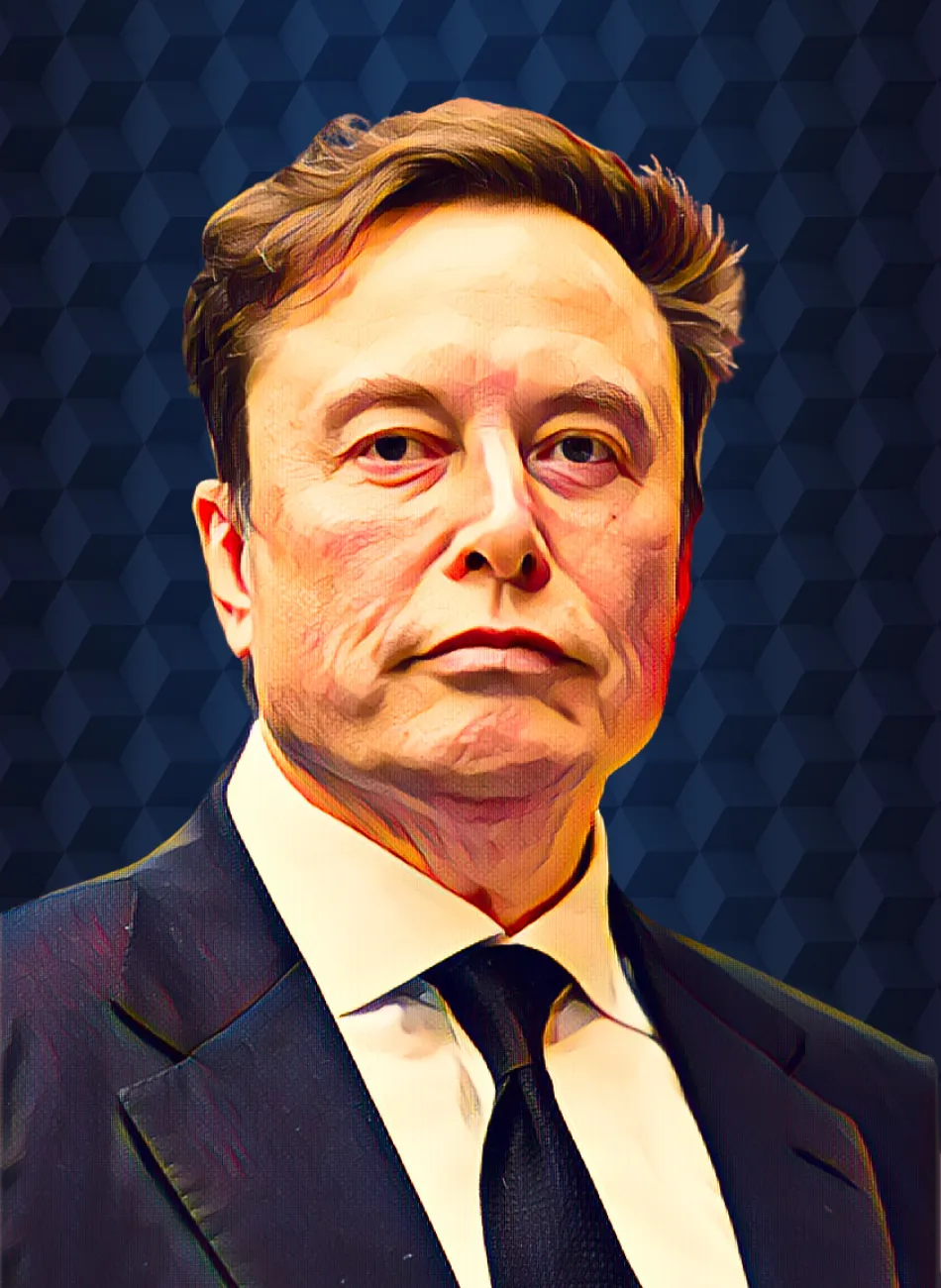
NEW YORK — SpaceX shares opened at $150 on Friday morning, 11 percent above their $135 offering price, and in the first minutes of trading Elon Musk became the world's first trillionaire.
Nobody had ever done it before. Not Rockefeller. Not Carnegie. Not the Saudi princes who sit atop oil fortunes that dwarf most national economies. The number that wealth trackers have spent years treating as a theoretical ceiling turned real on the floor of the Nasdaq on June 12, 2026, when SPCX started changing hands and the arithmetic of Musk's combined holdings ticked past one trillion dollars.
By midday the stock was trading at $165, up 22 percent from the offering price. SpaceX's market capitalisation had crossed $2 trillion, higher than the $1.77 trillion the company had targeted when it priced the offering on Thursday evening. Musk celebrated from SpaceX's headquarters in Texas, ringing the Nasdaq opening bell remotely as Gwynne Shotwell, the company's president and chief operating officer, led SpaceX executives and employees at the Nasdaq MarketSite in New York.
The IPO raised $75 billion, selling 555.6 million Class A shares. It is the largest initial public offering in stock market history. Saudi Aramco's 2019 debut, which had held that record, raised $29.4 billion. SpaceX raised more than double that in a single morning.
The company and the bet
SpaceX is not a normal company to list on a stock exchange. It generated $18.7 billion in revenue in 2025 and lost $2.6 billion operating that revenue. It lost $4.3 billion more in the first quarter of 2026 alone. Since Musk founded it in a warehouse in El Segundo, California, in 2002 with $100 million of his own money from the PayPal sale, it has accumulated a total deficit of $41.3 billion.
The $2 trillion valuation is not a reflection of those numbers. It is a bet on what SpaceX might become if Musk's vision materialises across the next two decades: a Starlink satellite constellation connecting a billion people to broadband internet, a reusable heavy-lift rocket that makes access to orbit as routine as a commercial flight, and eventually a city on Mars. The market opened on Friday and decided that bet was worth more than $2 trillion.
Sequoia Capital partner Sean Maguire put the investor case in its starkest form. "I personally think SpaceX right now is more like Nvidia three years ago than Tesla, which I think a lot of investors comp it to," he said. He added that he planned to hold his shares forever.
Morningstar analysts Nicolas Owens and Suryansh Sharma offered the counter. They wrote that uncertainty around SpaceX's business is "very high" and that the company "faces substantial risks related to strategic execution, technological evolution, market dynamics, regulations, AI buildout, and key-person dependency." The key person, in that formulation, is Musk himself.
The structure behind the number
After the offering, Musk retains more than 82 percent of SpaceX's total voting power through a dual-class share structure that gives certain shares ten votes apiece. The millions of investors who bought shares on Friday morning bought economic exposure to SpaceX's revenue and growth. They did not buy any meaningful governance influence over how the company is run. Musk can direct its capital toward Starship and Mars. He can decline to pay a dividend for a decade. He can do all of this and no shareholder meeting can stop him.
That structure makes the trillion-dollar net worth it produces unusually durable. The majority of Musk's wealth is locked in equity positions in companies he controls and cannot be easily liquidated at scale without moving the markets that define the valuation. It is real and it is his.
Tesla shares fell 1.5 percent on Friday, which is the other side of the Musk wealth calculation. His Tesla stake is worth approximately $350 billion. His SpaceX stake, at Friday's opening price, was worth substantially more than the $866.5 billion the prospectus had estimated at $135 per share, as the stock moved above that level immediately. The combined total pushed past one trillion and kept moving.
The others
Musk was not alone in the financial transformation Friday produced. Shotwell, who has run SpaceX's day-to-day operations since 2002 while Musk provided the vision, became a confirmed billionaire when trading started. Her total equity position, built through years of option grants including one valued at nearly $83 million in her 2025 compensation package, crossed the billion-dollar mark at the $135 offering price and moved further above it as the stock climbed.
Bret Johnsen, SpaceX's chief financial officer since 2011, holds 9.58 million Class A shares. CNBC valued that position at $1.2 billion at the offering price. He is a first-time billionaire on his first day as an executive of a public company.
Beyond those two, SpaceX's equity compensation programme created what is almost certainly the largest single cohort of new millionaires produced by one IPO in American corporate history. The company employs approximately 14,000 people, many of whom have held equity through funding rounds at valuations far below Friday's opening price.
What it means
The SpaceX IPO is the first of three major technology listings expected this year. OpenAI, which makes ChatGPT, and Anthropic, creator of the Claude AI models, have both filed paperwork with the Securities and Exchange Commission signalling intent to list shares. Analysts say both could come this autumn. The appetite Friday generated will be the reference point against which both of them are measured.
Whether SpaceX justifies the valuation the market gave it on Friday is a question no one can answer today. The company is, by every conventional financial metric, extremely expensive. It is losing money on revenues of nearly $19 billion a year. It has never paid a dividend. Its controlling shareholder also runs Tesla, runs a government efficiency advisory body, owns a social media platform and holds minority stakes in multiple other technology companies, each of which has its own demands on his time and attention.
What no one can dispute is the milestone the opening bell produced. No human being in the history of recorded commerce has ever been worth a trillion dollars. One is now. His name is Elon Musk. He rang the bell from Texas.
The intelligence satisfies curiosity. The paid briefings satisfy strategy.
Every Monday, Elite subscribers receive an Investor Memo breaking down the deal, the structure and the positioning behind the week's most consequential African wealth story - the kind of analysis that doesn't appear anywhere else.
Twice a month, a Wealth Intelligence brief profiles a single billionaire's holdings, cash flows and expansion pipeline in detail no public source matches.
→ Executive ($25/mo): Daily newsletter + Deep-Dive Reports
→ Elite ($75/mo): Everything above + Investor Memos + Wealth Intelligence + Quarterly Analyst Briefings
Subscribe now