

Table of Contents
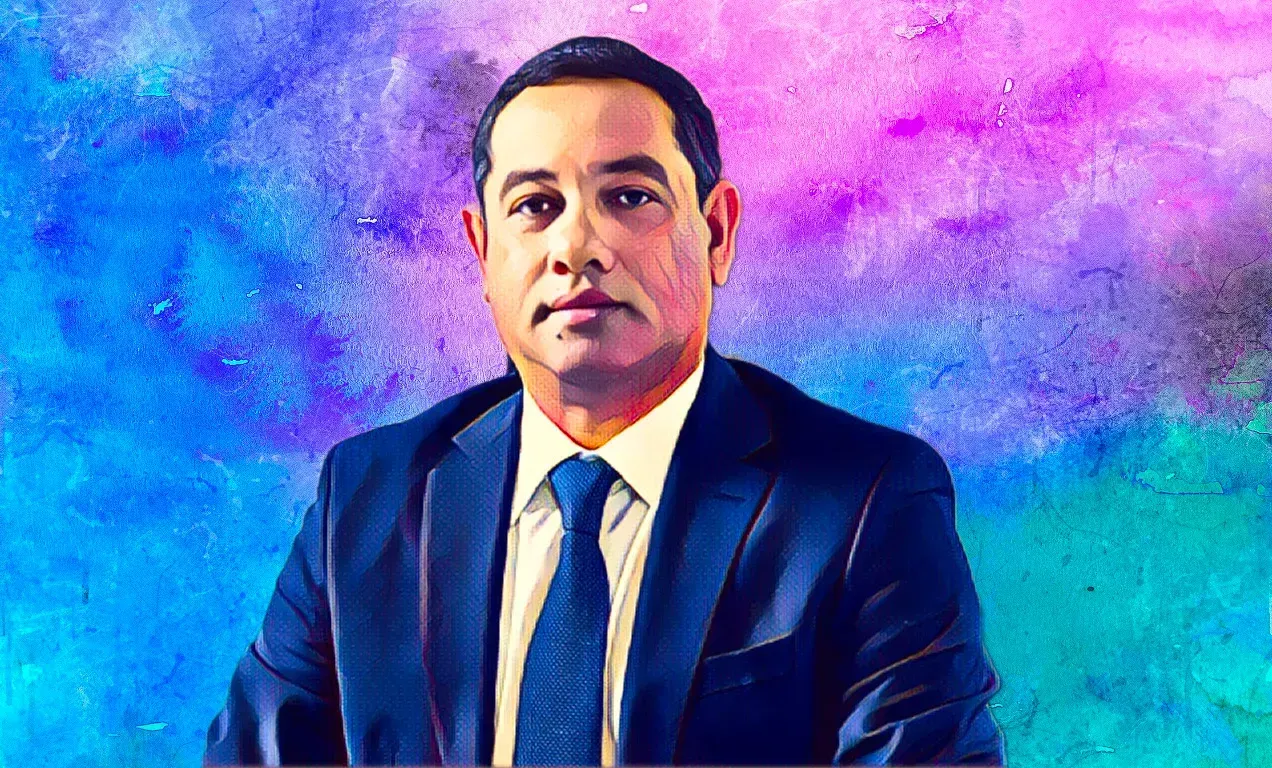
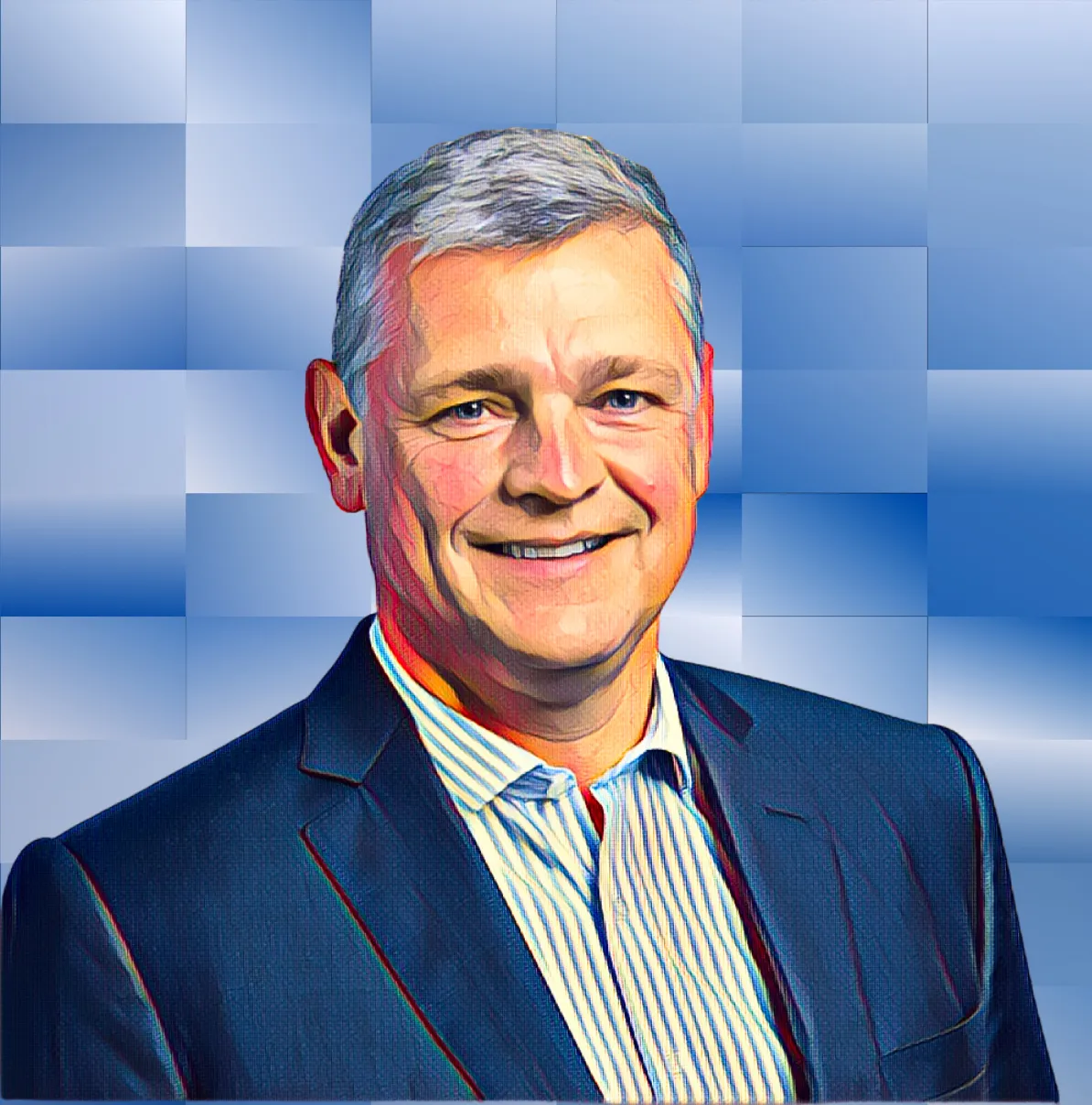
Arnaud Lagesse, the executive who assembled Mauritius's largest conglomerate by merging two family holdings a decade ago, has pushed IBL Group's capital toward African consumers to the point where most of its revenue now comes from outside Mauritius and a Kenyan supermarket chain has become its principal growth engine.
IBL reported revenue of about $2.01 billion, or Rs 94.8 billion, for the nine months to March 31, an increase of 15.2 percent. East Africa supplies roughly 37 percent of group turnover. In the financial year to June 2025, international operations accounted for 72 percent of the group's total revenue growth.
The strategy carries the label Beyond Borders and dates to 2021. Lagesse has described Mauritius as the group's home and international operations as a second strategic pillar, built on markets IBL chose deliberately and sectors where it already had operating depth. By 2024, more than half of group revenue was already coming from outside the island.
Naivas is the centre of gravity
Kenya's largest homegrown grocer began as a single shop in Rongai in 1990, founded by the late Peter Mukuha Kago and run by his family for three decades. In 2022 an IBL-led consortium including Proparco, a subsidiary of the French development agency, and DEG, an arm of Germany's KfW, acquired 40 percent of Naivas International through a vehicle called Mambo Retail. The transaction was valued at $145 million, of which IBL contributed about $95 million, making it the largest investment in the group's history.
The following year IBL subscribed to additional Mambo Retail shares to fund a further 11 percent at a cost of $41.7 million, lifting Mambo Retail to a controlling 51 percent of Naivas International. IBL holds 73.2 percent of Mambo Retail, giving it an effective indirect interest of about 37 percent in the retailer.
The asset has performed. Naivas lifted net profit 43.4 percent to $19 million, or KSh2.45 billion, in the year to June 30, 2025, on revenue up 21.6 percent to $887 million, or KSh114.45 billion. Total assets reached $465 million. The chain closed that year with 108 branches, opened its 112th in the Nairobi suburb of Mihango in December, and had reached 114 stores by the nine-month update in May. It has signalled it will add up to 10 outlets a year rather than expand faster.
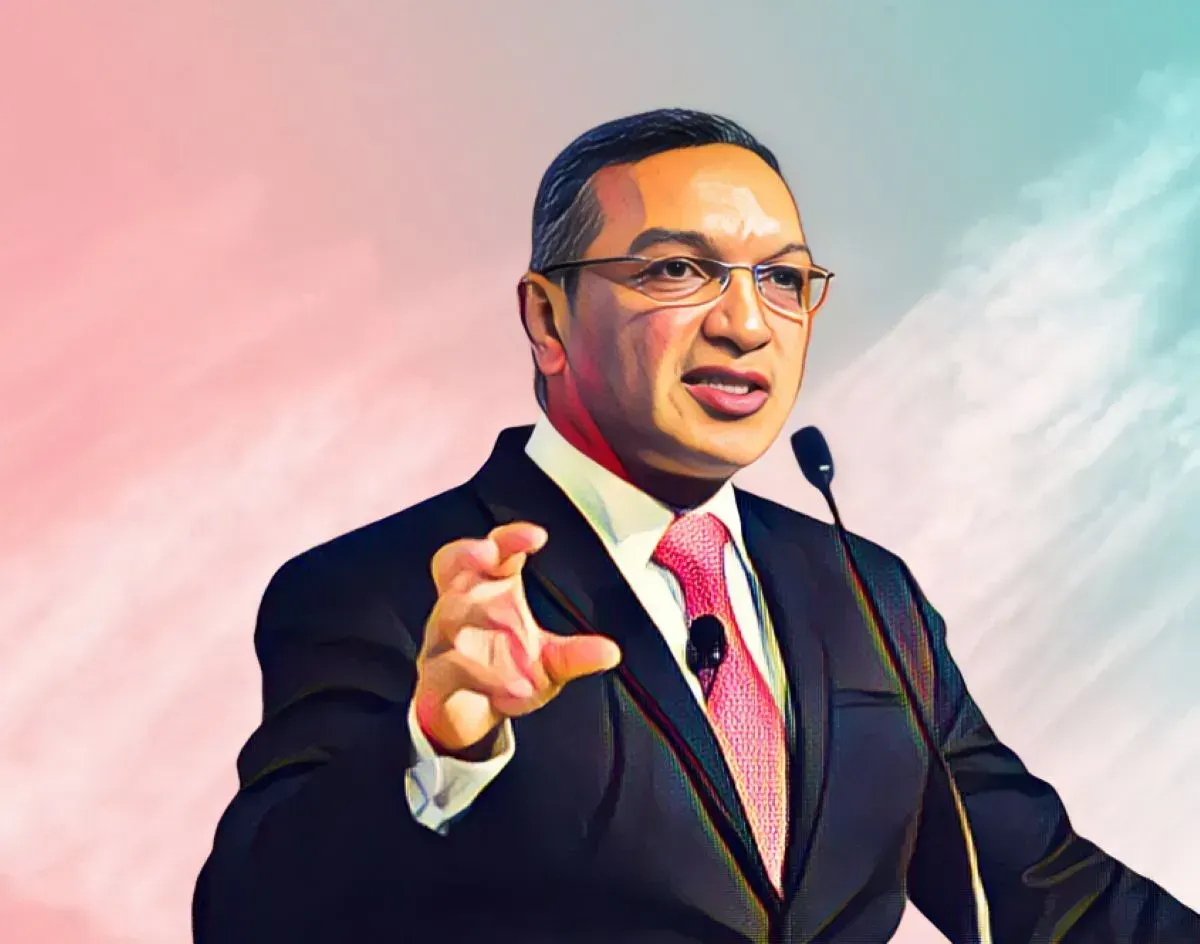
Andreas von Paleske now runs the business on IBL's behalf, ending the Mukuha family's operational control. IBL's retail cluster, which also contains Winners in Mauritius and Run Market on Réunion, generated about $1.4 billion in the last full financial year and posted a 79 percent jump in operating profit, driven largely by the Kenyan chain.
Beyond groceries
The consumer push extends past supermarkets. IBL owns Harley's in Kenya, a pharmaceutical and healthcare distributor, and took a majority position alongside French investor STOA in Equator Energy, which runs one of the region's larger commercial and industrial solar portfolios across Kenya and Uganda. Its Consumer Brands and Distribution cluster produced about $472 million, or Rs 22.3 billion, over the nine months, helped by beverage arm PhoenixBev and the regional rollout of Seybrew in the Seychelles.
The group has kept a permanent office in Nairobi since January 2018 and committed in 2022 to invest more than $125 million on the continent over five years. It reorganised in 2025 into four clusters, adding Industrials, which spans shipbuilding at CNOI, infrastructure work at Manser Saxon and agricultural operations at Miwa and Alteo, and Services, which remains a significant profit contributor.
The family behind the group
IBL traces to 1830 and the shipping and sugar trades that built Mauritian commerce. Blyth Brothers and Ireland Fraser merged to form Ireland Blyth Limited. On the other side of the house, Joseph Lagesse acquired the Mon Loisir sugar estate and Cyril Lagesse founded the investment company that became GML Investissement, which later took majority control of Ireland Blyth after buying out CIEL Group.
Lagesse drove the amalgamation of the two in 2016. The combined entity was renamed IBL Ltd and listed on the Stock Exchange of Mauritius on July 14 that year. He and his brothers Benoit, Hugues, Jean-Pierre, Thierry and Stephane hold a joint 16.8 percent of the company, about 114.4 million shares. He chairs the Fondation Joseph Lagesse and dozens of subsidiaries, and completed Harvard Business School's Advanced Management Programme.
The group now runs more than 280 companies across 25 countries and employs a workforce equivalent to roughly 3.5 percent of Mauritius's labor force.
Kenyan grocery retail has punished operators before. Nakumatt and Tuskys, both once larger than Naivas, collapsed under debt and supplier disputes within the past decade, and Naivas has absorbed much of the share they lost.
The intelligence satisfies curiosity. The paid briefings satisfy strategy.
Every Monday, Elite subscribers receive an Investor Memo breaking down the deal, the structure and the positioning behind the week's most consequential African wealth story - the kind of analysis that doesn't appear anywhere else.
Twice a month, a Wealth Intelligence brief profiles a single billionaire's holdings, cash flows and expansion pipeline in detail no public source matches.
→ Executive ($25/mo): Daily newsletter + Deep-Dive Reports
→ Elite ($75/mo): Everything above + Investor Memos + Wealth Intelligence + Quarterly Analyst Briefings
Subscribe now