

Table of Contents
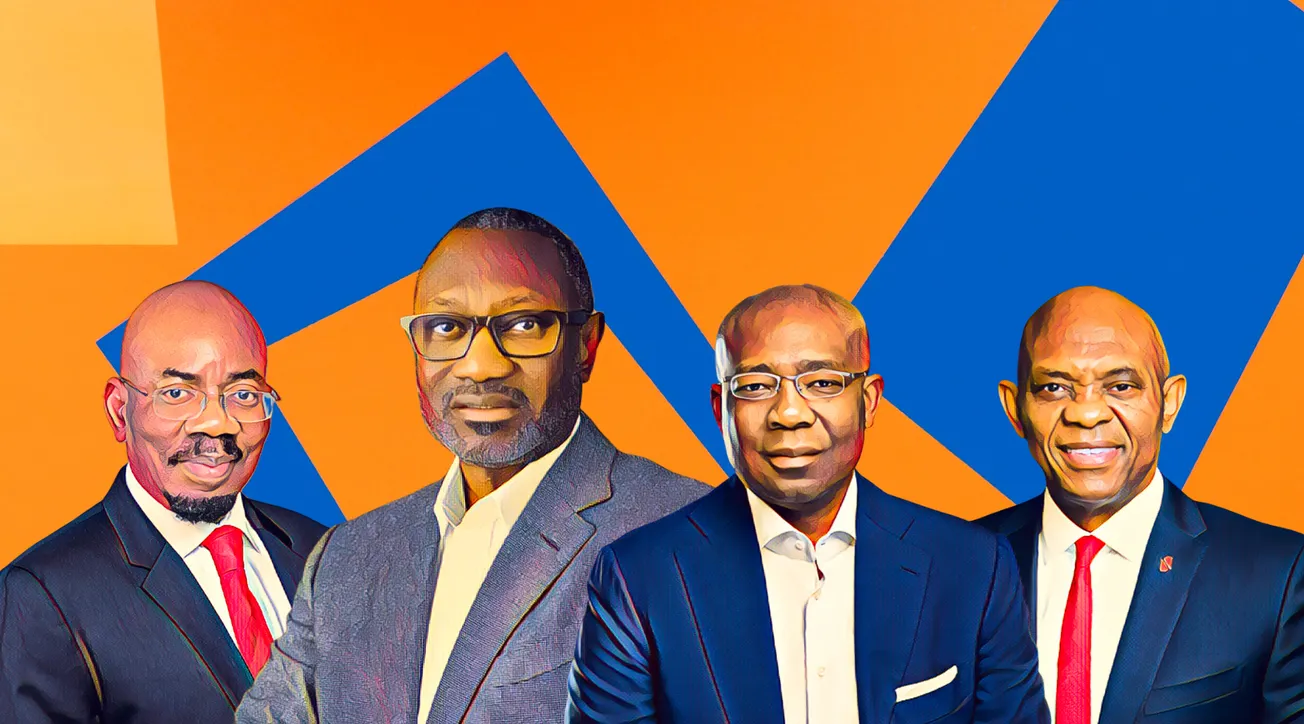
Nigerian banking has produced some extraordinary examples of founder and chairman conviction in the past two years. Tony Elumelu more than doubled his stake in UBA in under twelve months. Jim Ovia was buying Zenith Bank shares by the billions even as a mandatory tenure rule was counting down to his exit from the chairmanship. Aigboje Aig-Imoukhede returned to Access Holdings after the death of his co-founder and quietly disclosed a stake that the market had not previously known existed at its full scale.
None of them, at any point in the current era of Nigerian banking, has matched what Femi Otedola now holds.
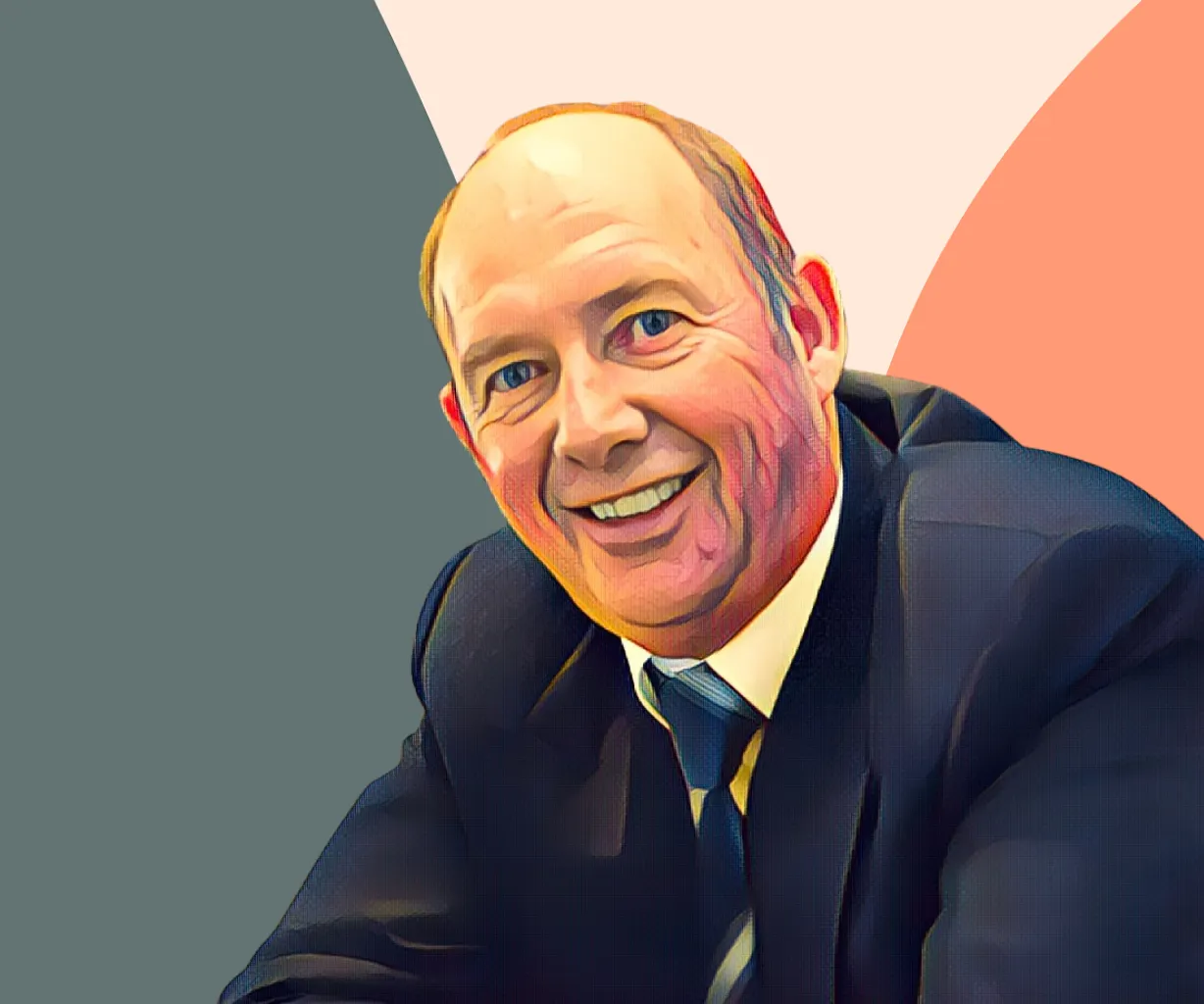
With the completion of FirstHoldCo's N45 billion ($32.8 million) private placement this week, Otedola's total stake in the parent company of First Bank of Nigeria rose to 20.42 percent, approximately 9.285 billion shares. He is not just the largest individual shareholder in FirstHoldCo. He is the largest individual shareholder of any chairman or former chairman in any of Nigeria's tier-one banking institutions, by a margin that has widened with every successive purchase he has made since arriving at the institution in 2021.
The comparison is not merely numerical. It is a window into how the market should read the current moment at FirstHoldCo, and why the accumulation pattern of Nigeria's most committed banking chairman matters for every investor on the register.
The league table
To understand what 20.42 percent means, it helps to line up the other men it is being measured against.
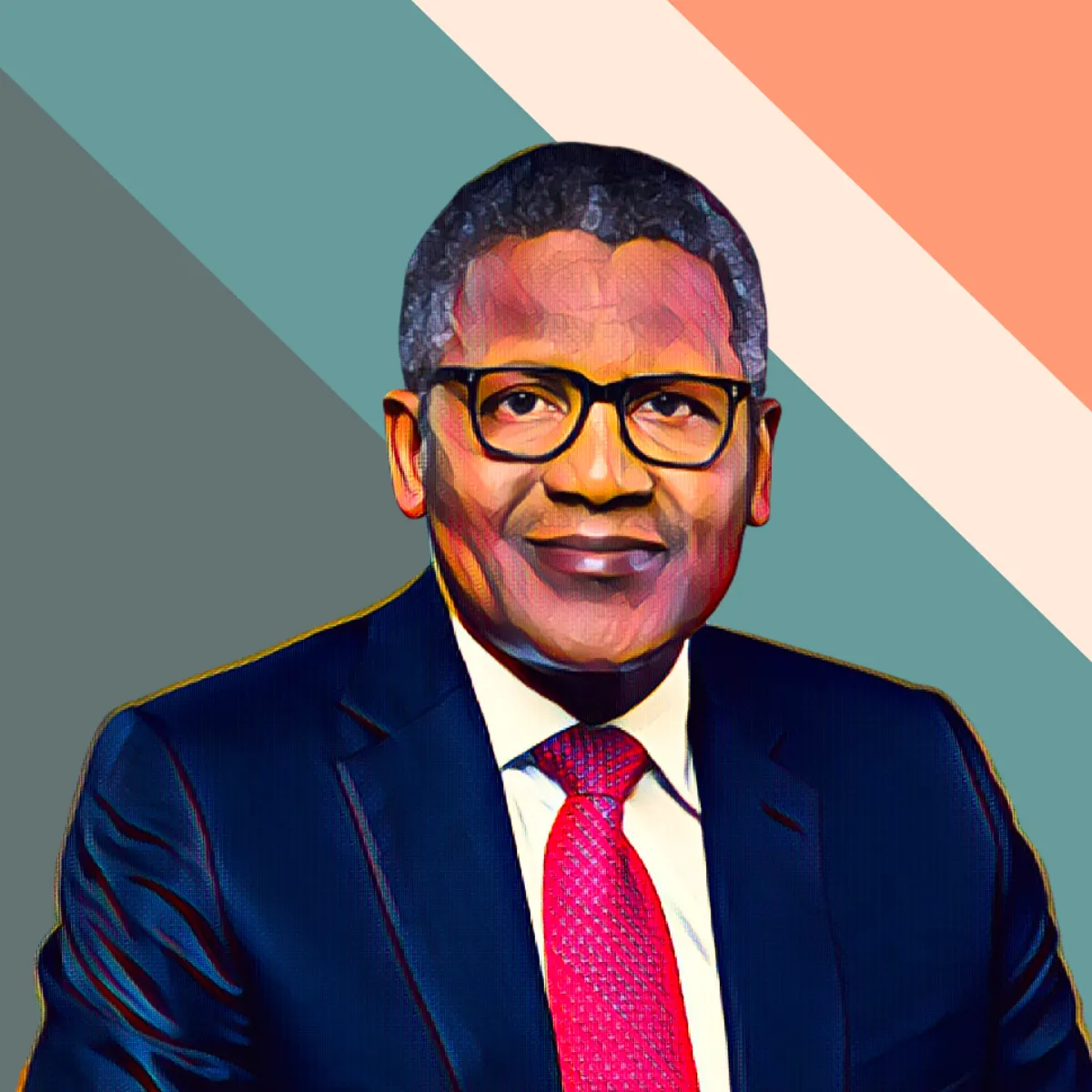
Tony Elumelu holds approximately 14.3 percent of UBA, a position built through one of the most dramatic accumulation campaigns in Nigerian stock exchange history. At the end of 2024, his combined direct and indirect stake stood at 7.43 percent. By June 30, 2025, it had risen to 16.38 percent. In those six months, Elumelu deployed more than N196 billion to acquire over 4.17 billion additional shares, participating in successive UBA rights issues at a pace that raised eyebrows even among analysts who follow Nigerian bank chairman behaviour closely. His direct shareholding in April 2026, as disclosed in UBA's full-year audited accounts, was 1.518 billion shares, with a further 4.795 billion held indirectly through Heirs Holdings, HH Capital and Heirs Alliance, bringing the combined position to approximately 14.3 percent. That is a formidable commitment from a chairman whose institution now operates in 20 African countries and reports N33.2 trillion in total assets.
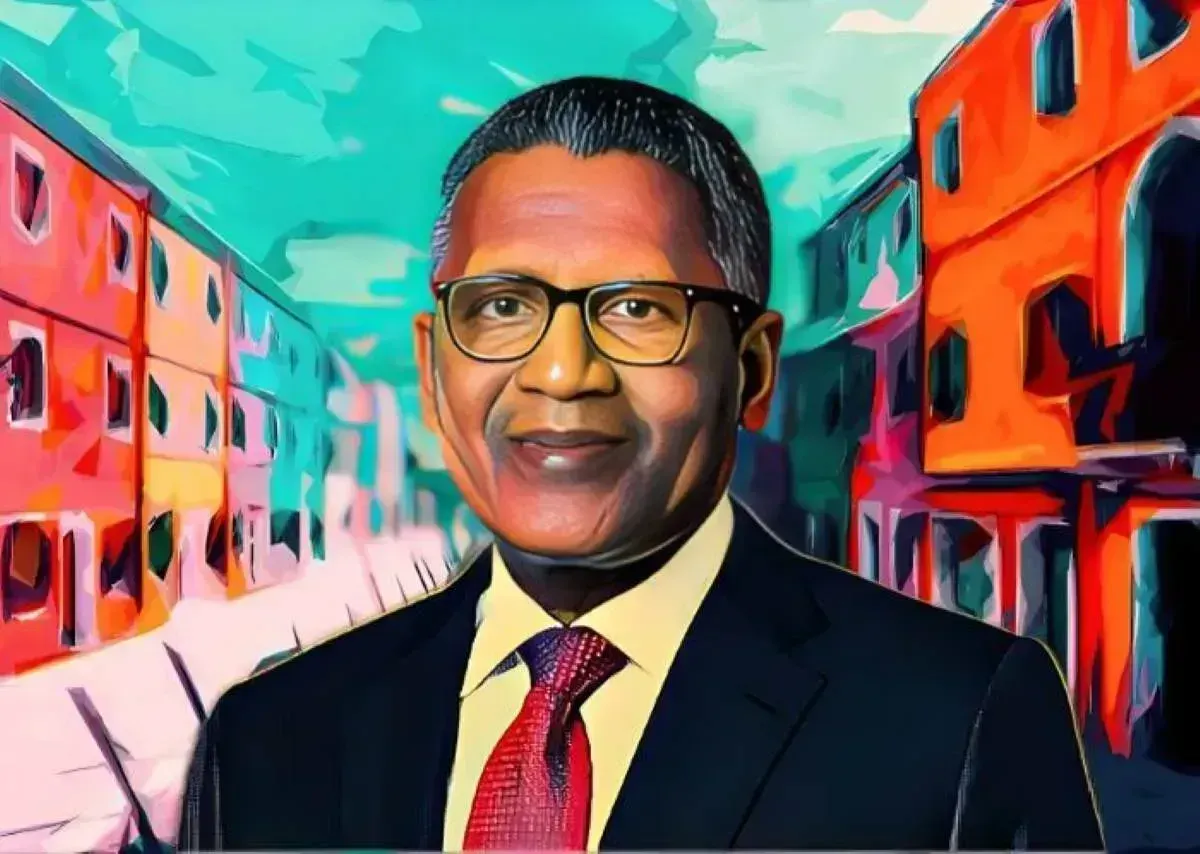
Aigboje Aig-Imoukhede holds 9.37 percent of Access Holdings, a figure that was itself news when it was properly disclosed for the first time in the bank's 2024 annual report filed in April 2025. Until that disclosure, the market had not seen his full ownership position at the group he co-founded with the late Herbert Wigwe in 2002. The revelation that Aig-Imoukhede held approximately 4.998 billion shares, comprising 4.819 billion indirect and 178.8 million direct, valued at N107 billion at the time of disclosure, landed as a governance transparency moment as much as a market event. He had returned to the Access Holdings chairmanship in March 2024 following Wigwe's death in a California helicopter crash, and the full disclosure of his stake made clear that his relationship to the institution was ownership-level deep, not merely ceremonial.
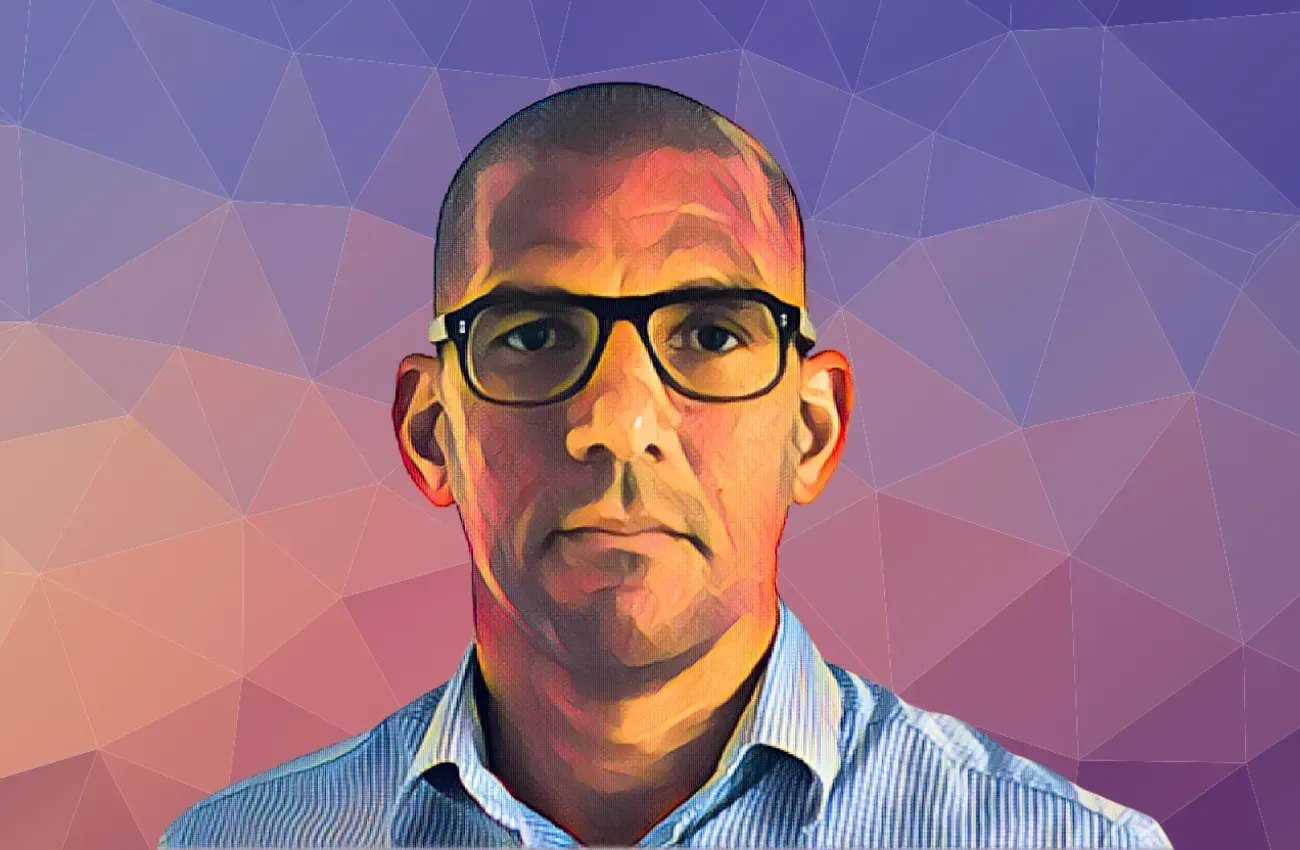
Jim Ovia's position at Zenith Bank is the most instructive comparison of all, precisely because of the timing. Ovia stepped down as Zenith Bank chairman on May 5, 2026, when the Central Bank of Nigeria's mandatory 12-year tenure rule required his exit. Engineer Mustafa Bello was appointed in his place. His title changed. His exposure to what Zenith becomes next did not. In the months surrounding his departure, Ovia was buying. He added shares through late 2025, including a N14.8 billion purchase in December 2025 alone, pushing his holding to approximately 16.19 percent at the 2024 filing level before dilution from a rights issue reduced his percentage to 14.13 percent even as he added shares in absolute terms. As of Zenith's 2025 full-year results, he holds 5.801 billion shares across direct and indirect positions. A man buying N14.8 billion in shares three to four months before a mandatory board exit is not hedging his exposure. He is concentrating it. That is the behaviour of a founder who believes the institution he is being forced to step back from is worth more than the price at which he can still buy it.
Otedola, at 20.42 percent and still adding, sits above all three. The gap between his position and Elumelu's 14.3 percent is not a rounding difference. It is more than six full percentage points of the issued capital of a company with 44.5 billion shares outstanding, a block of ownership that at the current N61 share price represents tens of billions of naira more than any comparable individual position in the FUGAZ group.
How the accumulation happened
Otedola's path to 20.42 percent was not a single transaction. It was a sustained, publicly visible campaign that accelerated each time the operating numbers gave him reason to believe the market had not fully priced in what was happening inside the institution.
He first disclosed a strategic stake in FBN Holdings, as FirstHoldCo was then named, in 2021. He became chairman in January 2024, inheriting a balance sheet carrying decades of unresolved legacy loans that had suppressed the bank's return on equity for years. His first major strategic decision was also the most painful: in 2025, under his chairmanship, FirstHoldCo absorbed N830 billion in impairment charges to resolve those non-performing loans in a single exercise. Profit before tax for the full year 2025 fell 70.5 percent to N235 billion as a direct consequence of that decision. Analysts described it as necessary surgery. The market, watching the profit line collapse, was not universally convinced.
Otedola kept buying through it. In December 2025, he acquired 370 million shares at N40.06 each. On May 13, 2026, the same week FirstHoldCo reported a 72.2 percent year-on-year increase in profit before tax to N321 billion ($234.1 million) for the first quarter of 2026, he executed the largest single stock purchase of his chairmanship tenure, acquiring 549.5 million shares through Calvados Global Services Limited at an average price of N79 ($0.058) per share for a total of N43.41 billion ($31.7 million). Then the private placement tranche delivered a further 672.9 million shares at N44 ($0.032) per share, subscribed at a 27 percent discount to the prevailing market price of N60.50 on the day the placement closed.
The Q1 2026 result that accompanied the May 13 purchase deserves more attention than it has received. FirstHoldCo reported a return on equity of 31.6 percent for the quarter, the highest in the entire FUGAZ group of Nigeria's five largest banks. It achieved that return on equity while simultaneously going through a recapitalisation process that by definition introduces fresh capital before it can be deployed, a process that mechanically suppresses return on equity metrics at every other institution undergoing the same exercise. Producing a 31.6 percent ROE in those conditions is not what the market expected from a bank that had just written off N830 billion in bad loans. The Q1 result is the surgery's first clean report, and Otedola's May 13 purchase suggests he had seen enough of the internal numbers to know what was coming before the results were published.
Why the skin-in-the-game metric matters in banking
The academic literature on insider ownership and firm performance is not without nuance. High ownership concentration can produce alignment between principals and minority shareholders, but it can also produce entrenchment, the insulation of a controlling figure from governance accountability. The distinction, in the Nigerian context, depends heavily on whether the controlling chairman is deploying capital to improve the institution or extracting value from it.
The evidence at FirstHoldCo points in one direction. The N830 billion impairment exercise was costly to the short-term profit line and painful to the market, but it cleared the balance sheet of problems that had suppressed the bank's performance for a generation. The CASA ratio at First Bank Nigeria of 93.8 percent, the proportion of deposits held in current and savings accounts that cost the bank nothing or very little to hold, is the highest of any comparable institution in the tier-one group and represents a structural funding advantage that flows directly to net interest margin and ultimately to earnings per share. The N1 trillion paid-up capital target, double the CBN's N500 billion minimum floor, signals a management team that is building capacity beyond regulatory compliance rather than to it.
None of those decisions benefit a chairman who is extracting value. All of them benefit a chairman whose personal financial outcome is tied to the long-term appreciation of the institution's shares. At 20.42 percent of 44.5 billion shares, every naira of improvement in FirstHoldCo's net asset value per share translates into a material change in Otedola's personal wealth. That alignment is real, it is quantifiable, and it is larger than the alignment any of his peers in Nigerian banking has achieved.
What Elumelu, Aig-Imoukhede and Ovia tell us by comparison
The three other men in this comparison are not passive references. They are the standard against which Nigerian chairman commitment to their institutions is currently being measured, and each of them tells a slightly different story about what skin in the game actually looks like.
Elumelu's 14.3 percent of UBA was built in a specific strategic context: UBA was raising capital for the CBN's recapitalisation deadline, and Elumelu chose to fund the majority of his subscription from personal and family office resources rather than relying on institutional support to carry the rights issue. That choice sent a signal to other UBA shareholders, many of whom followed his lead into the rights issue, that the chairman viewed the rights issue price as cheap relative to the bank's medium-term prospects. UBA's uptake rate on its rights issue in 2025 was strong partly because of that signal. The chairman's buying was market-moving not just for his own position but for the institution's ability to raise capital at competitive terms.
Aig-Imoukhede's 9.37 percent of Access Holdings carries a different weight. Access is the largest bank in Africa by total assets after completing 20 acquisitions across two decades. The disclosure of a stake that the market had not previously seen at its full scale was a governance moment: it confirmed that the chairman's return was not a temporary rescue mission but a recommitment of personal capital to an institution where his own money sits alongside every other shareholder's. His statement at Access Holdings' June 2026 annual general meeting, that the acquisition era was over and the value creation era was beginning, lands differently when you know the person making it holds 4.998 billion shares and cannot sell them without moving the price against himself.
Ovia's buying ahead of his mandatory exit from the chairmanship is perhaps the most psychologically interesting data point in this entire comparison. He was required by regulation to leave. He could not stay. The CBN's tenure rules are not negotiable. His response to that requirement was to concentrate his financial exposure to Zenith's future rather than reduce it, purchasing N14.8 billion in December 2025 at a moment when any rational actor preparing to exit might instead have been considering how to reduce a position that was about to become illiquid without the institutional platform of the chairmanship behind it. That he did the opposite is a statement about where he believes Zenith's share price goes from here, and it is relevant context for any Zenith investor trying to read the former chairman's intentions.
The forward-looking case for FirstHoldCo investors
The investment case at FirstHoldCo has multiple components, and the Otedola ownership stake is the most visible but not the only one.
On the regulatory calendar, Nigeria is scheduled for reclassification into the FTSE Russell Frontier Market Index on September 21, 2026. Reclassification events historically trigger automatic inflows from passive funds that track the relevant index. As a large-capitalisation, highly liquid bank stock with demonstrably improving fundamentals, FirstHoldCo is a natural recipient of those passive inflows. Analysts expect institutional positioning ahead of that date to provide a consistent bid under the shares in the months between now and September.
On the capital structure, FirstHoldCo's paid-up capital has now crossed N500 billion, meeting the CBN's minimum for banks with international authorisation ahead of the March 31, 2026 deadline. But the shareholder-approved programme to reach N1 trillion means that the capital raising is not finished. Nairametrics has reported that a further tranche of the private placement is being planned at a price close to the N44 per share already subscribed. That ongoing raise is both dilutive for non-participants and a continuing signal of Otedola's commitment to the institution's capitalisation.
On the earnings trajectory, the Q1 2026 profit before tax of N321 billion ($234.1 million) represents a 72.2 percent year-on-year increase and comes off a 2025 base that was artificially depressed by the N830 billion impairment charge. The normalisation of the earnings base, combined with a 93.8 percent CASA ratio and a 31.6 percent return on equity that leads the FUGAZ group, gives the investment case a fundamental underpinning that the share price alone does not fully capture.
FirstHoldCo's stock gained more than 57 percent in the year to mid-May 2026. Otedola bought N43.41 billion worth of shares in May at N79 per share, at a time when the stock had already gained 57 percent, and then subscribed to a further N29.6 billion in the private placement at N44. A chairman buying at two different price points, one near the 52-week high and one at a 27 percent discount to the market, is not trading his position. He is building it.
That is what 20.42 percent looks like from the inside. From the outside, it is the most unambiguous signal available to any minority investor on the FirstHoldCo register that the person with the largest personal stake in the institution's future believes the best of what First Bank can become has not yet been priced in.
The intelligence satisfies curiosity. The paid briefings satisfy strategy.
Every Monday, Elite subscribers receive an Investor Memo breaking down the deal, the structure and the positioning behind the week's most consequential African wealth story - the kind of analysis that doesn't appear anywhere else.
Twice a month, a Wealth Intelligence brief profiles a single billionaire's holdings, cash flows and expansion pipeline in detail no public source matches.
→ Executive ($25/mo): Daily newsletter + Deep-Dive Reports
→ Elite ($75/mo): Everything above + Investor Memos + Wealth Intelligence + Quarterly Analyst Briefings
Subscribe now