

Table of Contents
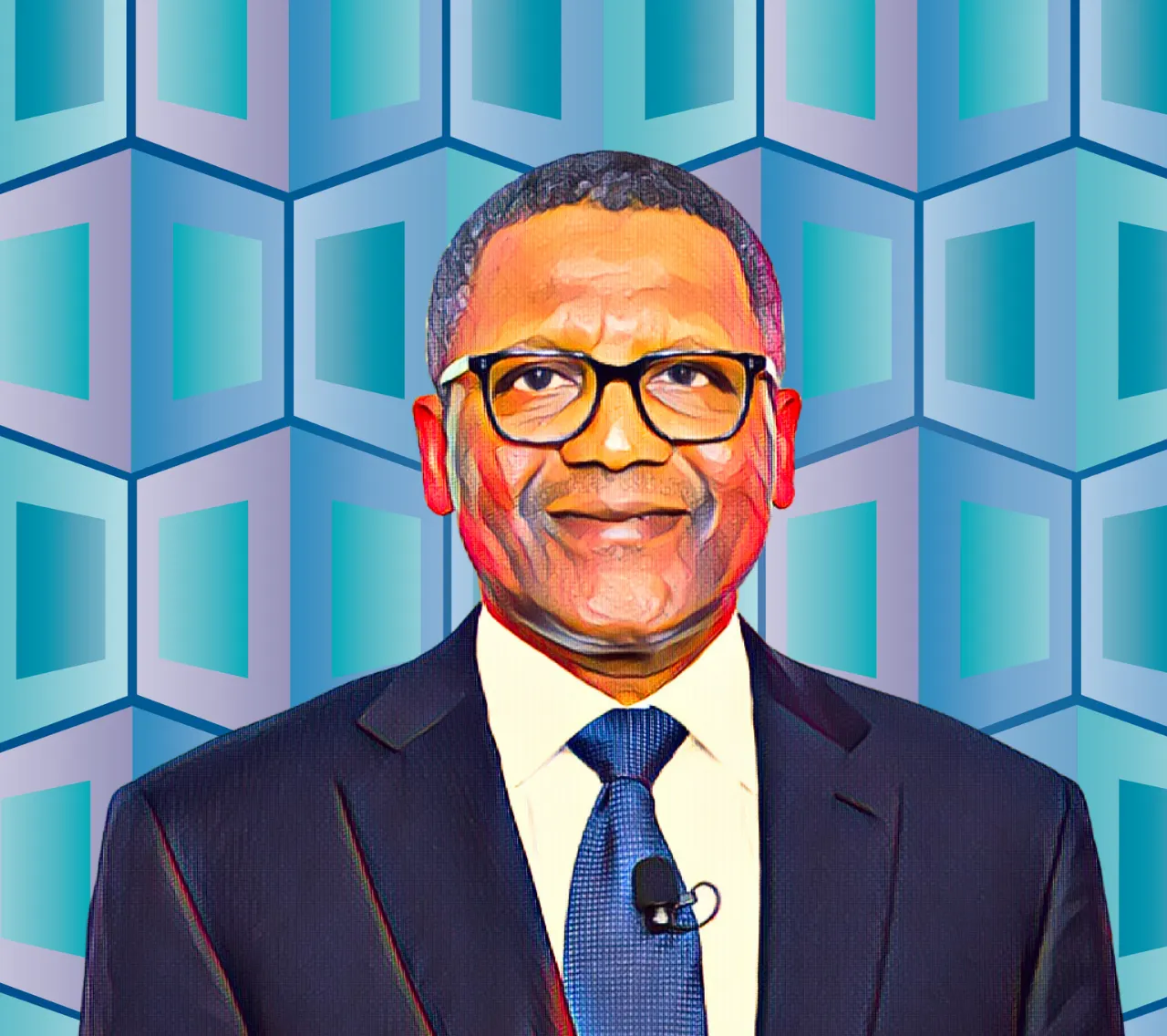
Aliko Dangote will borrow about $11.2 billion to build his proposed oil refinery at Lamu, and says the plant cannot compete with imported fuel unless the Kenyan government shields it.
The Nigerian billionaire put the financing split at 70 percent debt and 30 percent equity on a project he now costs at $16 billion. Lenders would supply roughly 1.45 trillion shillings and shareholders, Dangote among them, about 621 billion shillings.
"The financing mix will be 30 percent for equity and the rest will be debt," Dangote said. "We don't have a problem getting the money."
The structure differs from the one behind his Lagos refinery, which ended up financed on a roughly even split between debt and equity after construction costs climbed to about $20 billion. Debt suits sponsors of large industrial projects because it leaves ownership intact, since equity surrenders a permanent share of future profits while a loan ends once repaid.
Dangote said the estimated cost has come down from an earlier figure of $17 billion after his team concluded the refinery could be finished inside four years, cutting the financing bill.
"We first thought it was going to cost $17 billion, but it will cost less than that, about $16 billion," he said, crediting the shorter build programme and what the group learned constructing the Lagos plant.
Construction is scheduled to start shortly after a groundbreaking ceremony, with work expected to begin by October. The refinery would process about 700,000 barrels of crude a day, exceeding the 650,000 barrels handled by the Lagos facility, and would rank as the largest in East Africa and among the biggest private investments Kenya has seen.
The conditions Dangote has attached carry as much weight as the money. He said President William Ruto would need to provide land, mobilise regional financing and protect the plant against what he described as the dumping of cheap refined products from countries including Russia and India.
"There is no refinery in the world that can survive without that protection," Dangote said. "If we have an agreement, we can start this year."
Ruto has said Kenya intends to take a stake through the National Infrastructure Fund, without specifying its size.
"We have an infrastructure project for the development of an East African refinery," Ruto said. "Dangote tells me that this project will cost anywhere between $16 billion and $20 billion. Kenya will invest through the National Infrastructure Fund. We do not want to be held hostage any more by the Strait of Hormuz."
Feedstock would come from Uganda's oil fields through the East African Crude Oil Pipeline to Tanzania, alongside future output from Kenya's Turkana fields, with the option of importing crude by sea through the Port of Lamu.
East Africa imports almost all its refined petroleum products, mostly from the Middle East, which leaves the region exposed whenever geopolitical tension disrupts shipping. Disruption around the Strait of Hormuz during the Iran conflict earlier this year strengthened the argument for building refining capacity closer to home.
Dangote said the plant would supply markets across eastern and northern Africa, including Egypt, positioning it as a regional export hub rather than a facility serving Kenya alone.
The refinery would extend a Kenyan footprint that has grown through private equity rather than industry. Alterra Capital, the firm founded in 2020 by former Carlyle executives David Wachira and Jason Brewer and backed by Dangote alongside Carlyle co-founders David Rubenstein and Bill Conway, Norway's Norfund and the International Finance Corporation, bought Kenya's oldest tour operator Pollman's Tours and Safaris for about 4 billion shillings, and took a majority stake in the restaurant chain Java House from Actis alongside Phatisa in January 2025.
His attempts to enter Kenyan cement, the business he is best known for, went nowhere. Dangote secured limestone prospecting rights in Kitui County but shelved plans for local manufacturing plants.
Forbes puts his net worth at $28.5 billion, built on cement, sugar, fertiliser and oil refining.
The Kenyan announcement lands as Dangote prepares an initial public offering of the Nigerian refinery, a listing expected to widen its investor base and give the group additional flexibility as it expands across the continent.
The intelligence satisfies curiosity. The paid briefings satisfy strategy.
Every Monday, Elite subscribers receive an Investor Memo breaking down the deal, the structure and the positioning behind the week's most consequential African wealth story - the kind of analysis that doesn't appear anywhere else.
Twice a month, a Wealth Intelligence brief profiles a single billionaire's holdings, cash flows and expansion pipeline in detail no public source matches.
→ Executive ($25/mo): Daily newsletter + Deep-Dive Reports
→ Elite ($75/mo): Everything above + Investor Memos + Wealth Intelligence + Quarterly Analyst Briefings
Subscribe now