


Table of Contents
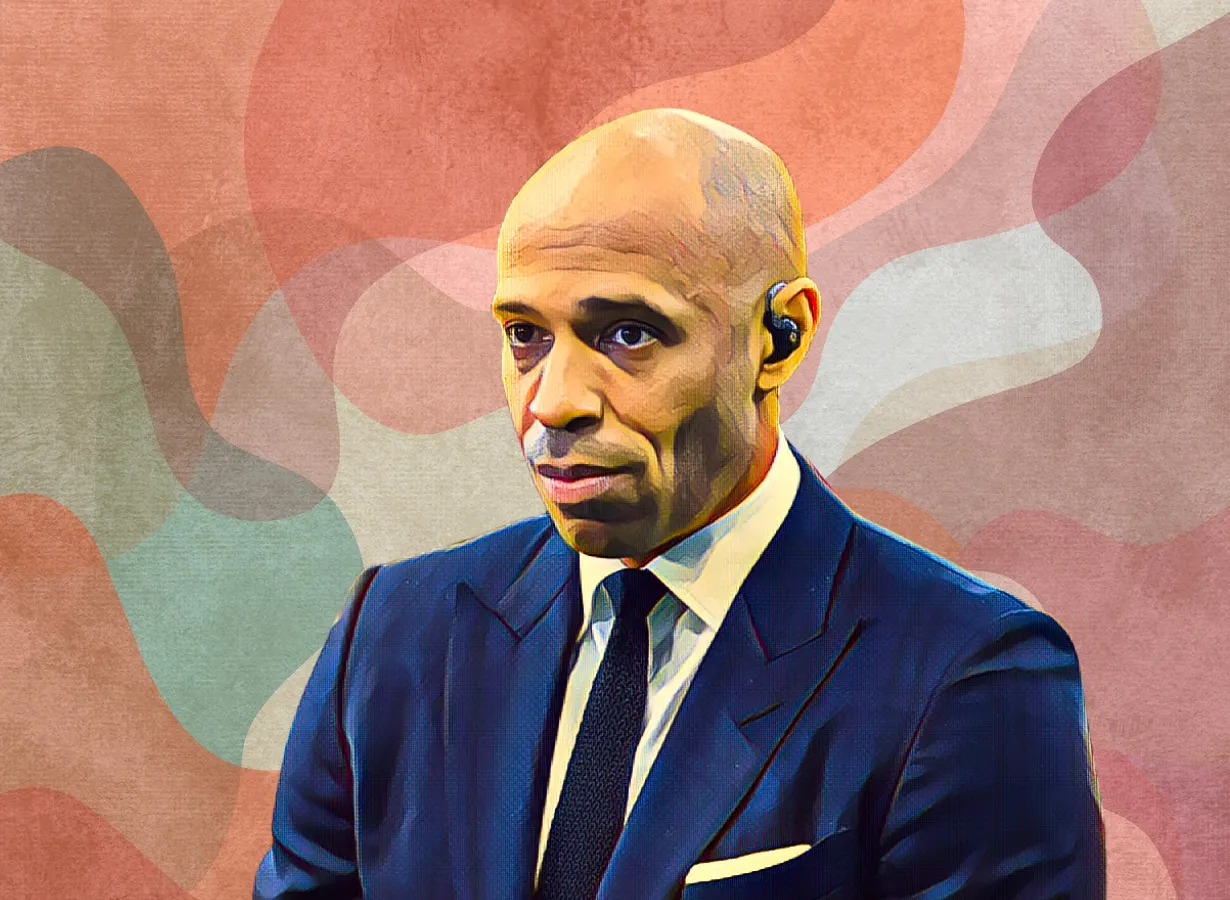
Tanzanian billionaire Edha Nahdi's audacious bet on Kenya's cement sector is delivering returns at a pace that has surprised even those who followed his acquisitions closely. His two Kenyan cement investments, East African Portland Cement and Bamburi Cement, both reported sharply improved financial results in their most recent full-year accounts, validating a strategy that attracted significant regulatory scrutiny and parliamentary opposition when he first assembled the positions.
EAPC's financial results for the year ended June 2025 show net profit grew nearly five-fold to KSh 5.53 billion ($42.6 million at $1=KSh129.87) from KSh 1.16 billion ($8.9 million) a year earlier, driven by improved and consistent cement production, effective pricing strategies and a strong recovery in demand across key market segments. Turnover more than doubled to KSh 7.08 billion ($54.5 million) from KSh 3.28 billion ($25.2 million), while clinker production grew 121 percent year on year and cement production rose 96 percent. EAPC also declared a higher dividend of KSh 1.25 per share, up from KSh 1.00 the prior year. Munif's investment vehicle Kalahari Cement Limited is set to receive KSh 77.3 million ($595,000) from the total payout of KSh 112.5 million.
Bamburi also marked a decisive turnaround. The company, which now operates entirely under the ownership of Nahdi's Amsons Group following the completion of a KSh 23.6 billion ($181.5 million) acquisition in December 2024, reported net profit of KSh 3.08 billion ($23.7 million) in the financial year ended December 2025, compared with a net loss of KSh 905 million ($6.9 million) a year earlier. Turnover rose 13.6 percent to KSh 24.9 billion ($191.5 million), driven by strong market strategy execution, retail and key accounts expansion, and pricing discipline. Savings of KSh 979 million ($7.5 million) from shedding unproductive assets also contributed to the turnaround. Bamburi did not declare a dividend despite returning to profit.
The speed of the recovery at both companies reflects the combination of a bargain acquisition price, well-established brands and a construction sector that continues to generate structural demand. Edha acquired both companies at valuations that analysts at the time described as significantly below their book value. Amsons paid KSh 23.6 billion ($181.5 million) for Bamburi against the company's book value of KSh 28.7 billion ($220.9 million) at December 2025. At EAPC, Kalahari paid KSh 2.32 billion ($17.9 million) for its 68.7 percent stake, against net assets valued at KSh 33.64 billion ($259.1 million) in June 2025 — a discount made possible by Holcim's willingness to exit African markets at prices that reflected its strategic priority of liquidity over valuation, and by NSSF's acceptance of a market-price transaction that carried no premium for control.
Kalahari's 68.7 percent stake in EAPC, now valued at approximately KSh 5.19 billion ($39.9 million) on the NSE at Monday's closing price of KSh 84 per share, already exceeds the KSh 2.32 billion ($17.9 million) acquisition cost by more than double. On the NSE, EAPC gained 5.6 percent on Monday to close at KSh 84, giving the company a market capitalisation of KSh 7.56 billion ($58.2 million). The company has also revalued its land holdings, resulting in a 43 percent growth in total assets to KSh 50.3 billion ($387.3 million) from KSh 35.19 billion ($270.9 million).
The acquisitions were assembled through a deliberate sequence of transactions executed between late 2024 and late 2025. Edha first acquired Bamburi through Amsons Industries Kenya in December 2024, at which point Bamburi already held a 12.5 percent stake in EAPC. He then separately acquired a 29.2 percent stake in EAPC from Holcim in November 2025 through Kalahari Cement for KSh 718.7 million ($5.5 million), followed by a further 27 percent acquisition from NSSF for KSh 1.604 billion ($12.4 million). The combined transactions gave him 68.7 percent direct ownership of EAPC and full ownership of Bamburi, whose EAPC stake he also controls, giving him combined effective influence over approximately 31 percent of Kenya's total cement production capacity of 14.5 million tonnes per annum.
The acquisitions generated significant controversy. Kenyan lawmakers on the National Assembly's Trade, Industry and Cooperatives Committee challenged the Holcim sale price, which represented a 46.2 percent discount to EAPC's prevailing market price at the time of first disclosure, arguing that the discounted price handed a strategic asset to a foreign buyer below fair market value. The Competition Authority of Kenya opened an inquiry into the cross-ownership structure, noting potential concerns about the sharing of strategic information between two rival cement companies under common ownership. Munif and Amsons have consistently maintained that their acquisition strategy is focused on operational improvement and long-term value creation rather than market manipulation.
Munif's broader East Africa portfolio spans cement, fuel and logistics across Tanzania, Kenya, Mozambique and Zambia. Through Pan African Cement, he holds a majority stake in Tanzania's Mbeya Cement Company. Through Camel Oil, he operates fuel distribution across Tanzania, Kenya and Mozambique. Through East Africa Warehousing and Kalahari Trans Zambia, he runs freight and logistics operations across the region. Amsons Group managing director Edha Nahdi has stated publicly that the group is eyeing further expansion into Uganda, describing the market as a natural extension of the group's East African footprint.
The intelligence satisfies curiosity. The paid briefings satisfy strategy.
Every Monday, Elite subscribers receive an Investor Memo breaking down the deal, the structure and the positioning behind the week's most consequential African wealth story - the kind of analysis that doesn't appear anywhere else.
Twice a month, a Wealth Intelligence brief profiles a single billionaire's holdings, cash flows and expansion pipeline in detail no public source matches.
→ Executive ($25/mo): Daily newsletter + Deep-Dive Reports
→ Elite ($75/mo): Everything above + Investor Memos + Wealth Intelligence + Quarterly Analyst Briefings
Subscribe now