

Table of Contents
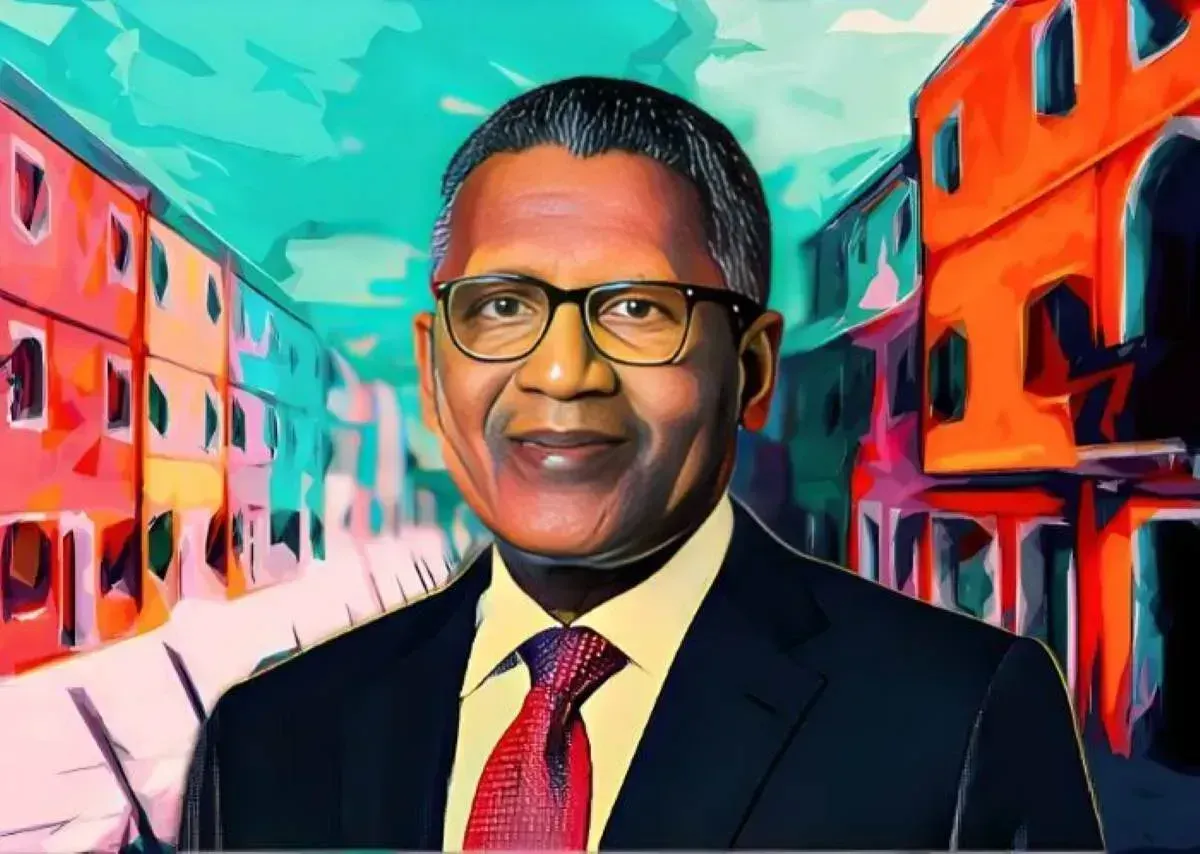
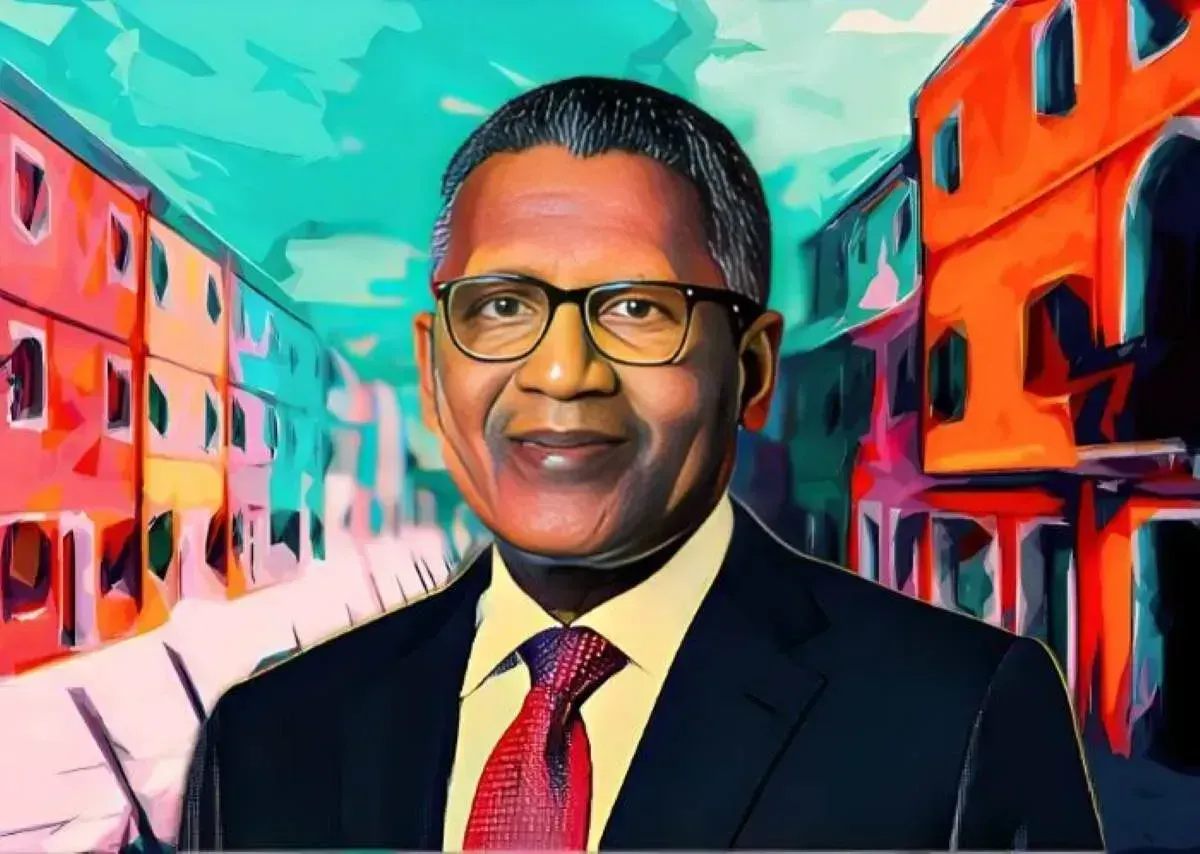
Aliko Dangote, Africa's richest man, has chosen Kenya's Lamu Island as the location for a $17 billion oil refinery that would reshape East Africa's energy landscape and end the region's near-total dependence on imported refined fuels.
Dangote Group has settled on Kenya after months of competition between potential host countries, including Tanzania and Uganda. Site selection has been completed, soil tests are underway and engineering work has already started, according to Edwin Devakumar, vice president of oil and gas at Dangote Industries.
The planned facility would process 700,000 barrels of crude oil per day and serve markets across Kenya, Uganda, South Sudan, Rwanda, Burundi and the Democratic Republic of Congo. That capacity exceeds East Africa's current refined fuel demand of roughly 450,000 barrels per day, leaving room to supply markets elsewhere on the continent.
The project fills a gap that has been widening for more than a decade. East Africa holds roughly 4.7 billion barrels of crude oil reserves and more than 70 trillion cubic feet of natural gas, yet imports 100% of its refined fuel after Kenya Petroleum Refineries Limited, the region's last operating refinery, shut down in 2013.
Lamu's natural harbor, with drafts reaching 18 meters, can accommodate fully laden Post-Panamax crude tankers carrying up to 2 million barrels, vessels too large to call at Mombasa, giving the refinery direct access to long-haul crude imports while providing an export outlet for surplus fuel.
Kenyan President William Ruto has appointed Deputy President Kithure Kindiki to chair a government committee to coordinate the project's implementation and has set aside approximately $165 million as seed capital. Kenya is also expected to take a minority stake in the facility through its National Infrastructure Fund, with Ruto putting the total project cost at between $16 billion and $20 billion.
Dangote told the Financial Times that for the refinery to proceed, he would need the Kenyan government to provide land, some East African financing and, critically, protection from what he called the dumping of cheap fuel from countries such as Russia and India. "There is no refinery in the world that can survive without that protection," he said.
Dangote Industries plans to finance the refinery through internally generated cash, corporate bond issuances and proceeds from a planned initial public offering, replicating the financing model that underpinned the Lagos refinery.
The Lagos precedent looms large over the Kenya project. The Dangote Petroleum Refinery in Lagos cost more than $20 billion to build and has a nameplate capacity of 650,000 barrels per day, making it Africa's largest refinery and the world's largest single-train refinery. During performance testing in June 2026, it processed more than 700,000 barrels per day, exceeding its design capacity for the first time.
The proposed Kenya refinery forms part of Dangote Industries' wider Vision 2030 strategy, which targets annual revenue of $100 billion by 2030 and requires between $40 billion and $45 billion in new investments across the continent. Construction is expected to take approximately three years once it gets underway.
The intelligence satisfies curiosity. The paid briefings satisfy strategy.
Every Monday, Elite subscribers receive an Investor Memo breaking down the deal, the structure and the positioning behind the week's most consequential African wealth story - the kind of analysis that doesn't appear anywhere else.
Twice a month, a Wealth Intelligence brief profiles a single billionaire's holdings, cash flows and expansion pipeline in detail no public source matches.
→ Executive ($25/mo): Daily newsletter + Deep-Dive Reports
→ Elite ($75/mo): Everything above + Investor Memos + Wealth Intelligence + Quarterly Analyst Briefings
Subscribe now