

Table of Contents
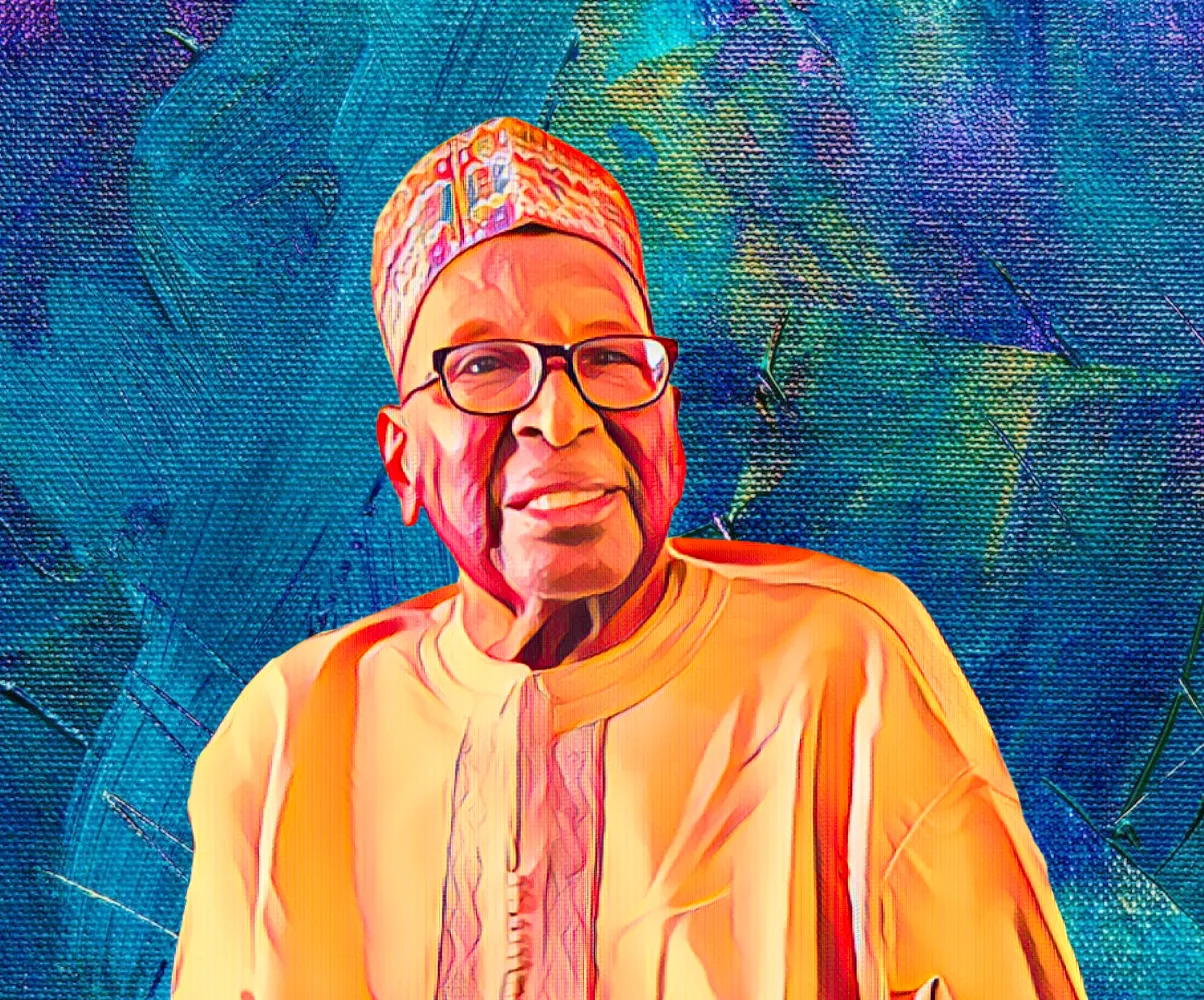
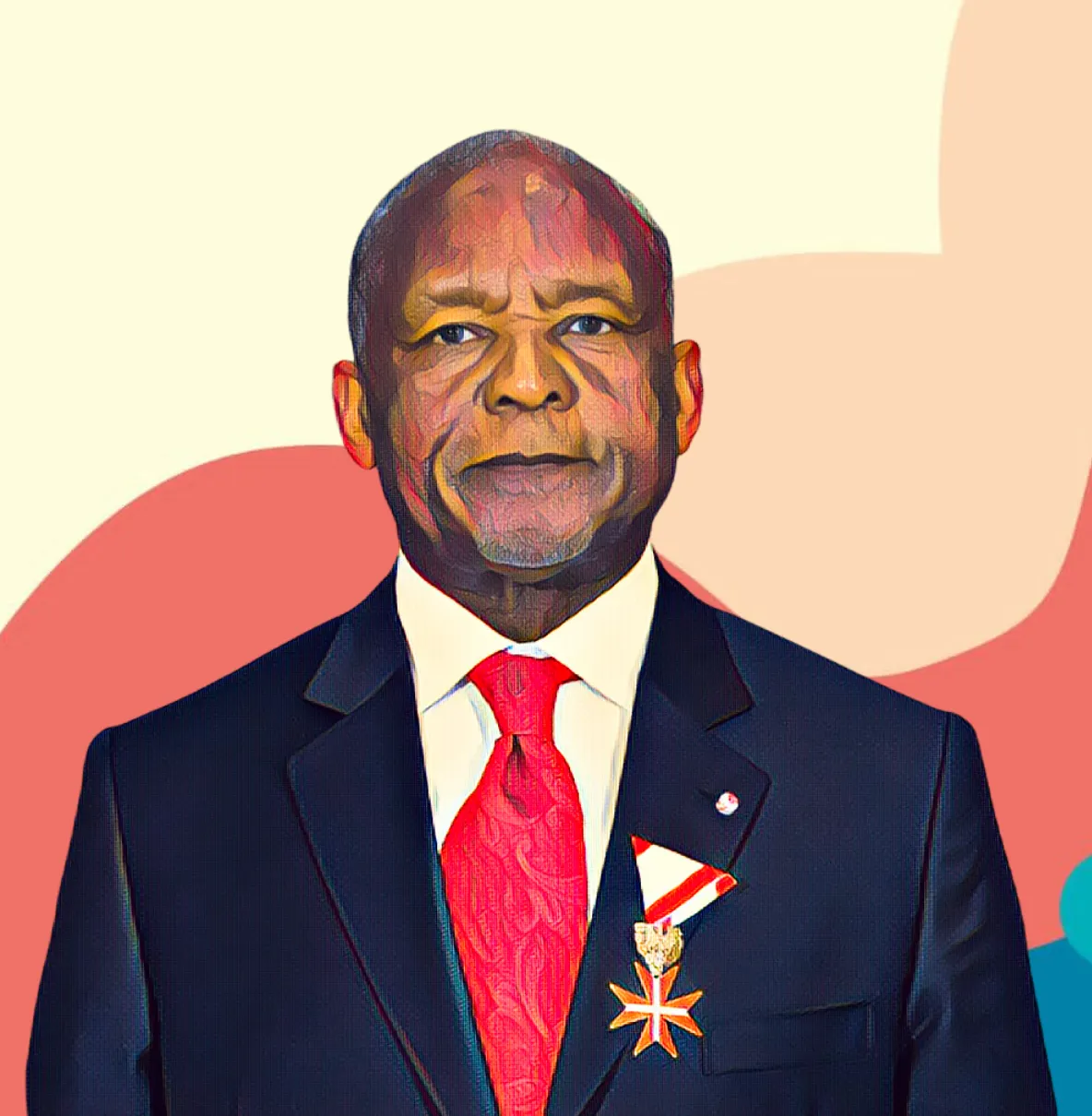
Few private companies stretch across the Angolan economy the way Grupo Antonio Mosquito does. The conglomerate sells cars, drills for oil, pours concrete and lends money, controlling roughly 20 companies under a single roof. The man whose name it carries, Antonio Mosquito Mbakassi, built it from a vehicle-distribution business into one of the largest privately held groups in the country, and into one of the more debated fortunes in Angolan business.
Mosquito ranks among Angola's wealthiest entrepreneurs, with a fortune that some rankings have estimated above $1 billion. The number is impossible to confirm with precision in a market where ownership is often opaque, but the scale of the group he chairs is not in doubt. It is a sprawling, diversified machine of the kind that tends to emerge where private enterprise and the state sit close together.
His story is a study in how fortunes are assembled in resource-rich economies, where the path to wealth runs through distribution, concessions and connections rather than through a single breakout product. Angola spent decades as one of Africa's largest oil producers and one of its most unequal societies, and the businesses that grew biggest were often those that learned to move goods, win contracts and stay close to the people who controlled the money. Mosquito learned all three.
Mosquito was born in Calenga, in the central highland province of Huambo, far from the oil and diamonds that drive Angola's economy. His early wealth came from two of the most reliable engines of money in the country, oil exports and vehicle distribution. He spent years as a distributor of European car brands, building a dealership business that gave him cash flow, a recognizable name and a platform to expand.
That automotive base became the seed of something much larger. Operating through a family business platform and then the holding company that bears his name, Mosquito reinvested the proceeds of car sales and trading into a widening set of industries, following the classic conglomerate logic of using cash from one venture to buy into the next.
The timing helped. Angola emerged from a long civil war in 2002 and entered a decade of oil-fueled reconstruction, a period in which the country needed everything at once, from vehicles and machinery to roads, housing and imported consumer goods. A businessman who already controlled distribution channels and enjoyed access to capital and contracts was unusually well placed to ride that boom, and Mosquito expanded aggressively while the money flowed. The dealership that had once simply sold cars became the cash engine for a far more ambitious build-out.
Grupo Antonio Mosquito, known as GAM, sits at the center of his empire and controls close to 20 companies. Its interests span automotive distribution, civil construction, petroleum, real estate, logistics and mining, the core sectors of the Angolan economy. The group owns Falcon Oil, an energy development and trading business, anchoring Mosquito directly in the industry that generates most of the country's revenue.
The portfolio reaches into finance and media as well. Mosquito has overseen BAI Micro Finanças, an Angolan microfinance institution, and has signaled ambitions to turn it into a full commercial bank, a move that would place him inside the banking sector that has minted many African fortunes. He has also held a stake in Global Media Group, one of Portugal's largest media companies, extending his reach beyond Angola and into the former colonial power with which the country remains closely tied.
The structure of the group reflects the way large Angolan businesses tend to be organized. Rather than one operating company, Mosquito presides over a holding that sits above a cluster of separate firms, each addressing a different sector and each able to bid for work, win concessions or import goods in its own right. The construction arm can chase public and private building contracts, the automotive arm can hold dealership rights, the oil unit can pursue energy deals, and the financial arm can move and lend money. Held together, they form a vertically and horizontally diversified group that captures value at multiple points in the economy and cushions the owner against a downturn in any single line.
That diversification has mattered, because Angola's fortunes rise and fall with the price of oil. When crude is high, construction, imports and consumer spending surge, and a conglomerate like GAM benefits across the board. When prices crash, as they did in the middle of the last decade, the same breadth that powered the boom helps a group absorb the shock. Mosquito built a business designed to survive the cycles of a commodity economy, not merely to ride a single upswing.
Mosquito's rise cannot be separated from his proximity to Angola's former ruling circle. Reporting on the ownership of GAM has placed Isabel dos Santos, the daughter of longtime president Jose Eduardo dos Santos, as a shareholder and director of the group alongside Mosquito, with a significant slice of the company held by undisclosed investors. The arrangement made him one of the businessmen most closely associated with the dos Santos family during its decades in power.
That association has cut both ways. It gave Mosquito access and scale during the years the dos Santos family dominated the economy, and it has also drawn the label of oligarch in Angolan political and business circles, a term applied to the entrepreneurs who flourished under the old order. As Angola has worked to recover assets and unwind some of the deals struck in that era, businessmen tied to the former first family have faced fresh scrutiny.
The political ground shifted sharply after Jose Eduardo dos Santos stepped down in 2017 and his successor, Joao Lourenco, launched a campaign against corruption and entrenched private interests. Isabel dos Santos, once celebrated as Africa's richest woman, saw assets frozen and her business dealings investigated as the new government moved to claw back state resources. The reckoning reshaped the landscape for the whole generation of tycoons who had risen alongside the dos Santos family, raising hard questions about which fortunes were built on genuine enterprise and which on privileged access.
Mosquito has navigated that transition as a survivor rather than a casualty, keeping his group operating across its core sectors. His ability to remain a significant figure through a change of regime speaks to the entrenchment of his businesses in the real economy, the cars, buildings and services that a country needs regardless of who governs it. A fortune anchored only in political favor is fragile. One anchored in distribution networks, dealership rights and operating companies is far harder to dislodge.
What Mosquito assembled is less a single company than a cross-section of the Angolan economy held in private hands. The car dealer from Huambo turned distribution into diversification, and diversification into one of the country's most powerful business groups, with tentacles in the industries that matter most to the state. His fortune, whatever its precise size, rests on that breadth and on the relationships that made it possible. Mosquito remains a reminder that in Angola, as in many resource economies, the most durable wealth is built by those positioned closest to where the money already flows.
The intelligence satisfies curiosity. The paid briefings satisfy strategy.
Every Monday, Elite subscribers receive an Investor Memo breaking down the deal, the structure and the positioning behind the week's most consequential African wealth story - the kind of analysis that doesn't appear anywhere else.
Twice a month, a Wealth Intelligence brief profiles a single billionaire's holdings, cash flows and expansion pipeline in detail no public source matches.
→ Executive ($25/mo): Daily newsletter + Deep-Dive Reports
→ Elite ($75/mo): Everything above + Investor Memos + Wealth Intelligence + Quarterly Analyst Briefings
Subscribe now