

Table of Contents
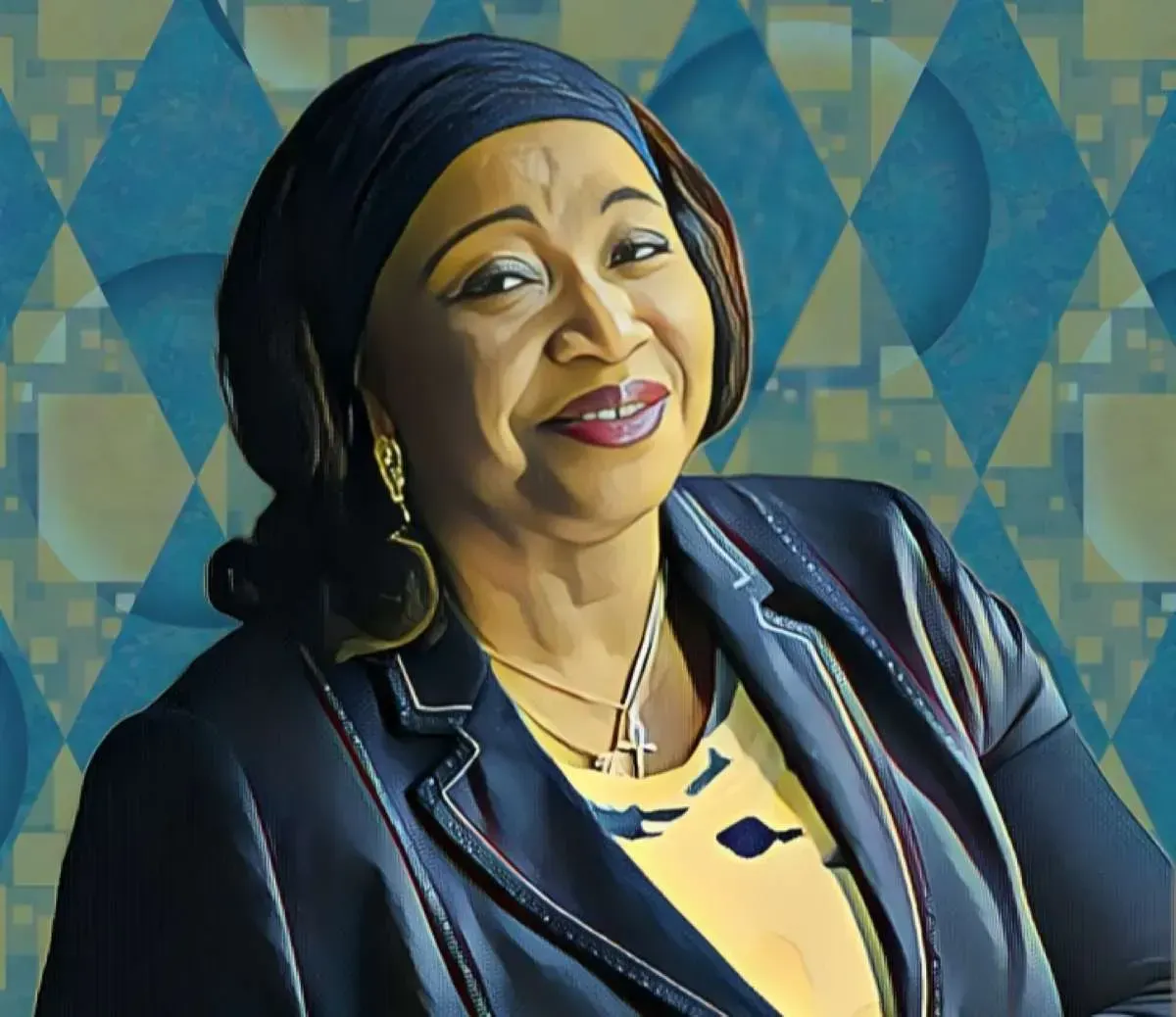
Cameroon's richest woman, the founder of Telcar Cocoa and a figure so dominant in her country's cocoa trade that the industry press took to calling her the iron lady of the sector, is finally getting some relief after what her company's own numbers describe as the worst season in its 30-year history.
A late-season boost has arrived, giving Fotso's company partial respite from a 2024-25 campaign that exposed, painfully and very publicly, how much of Telcar's commercial architecture had been built around a single partner: Cargill, the American agricultural trading giant that held a 49 percent stake in the company and served as its primary international buyer for over two decades.
When that partnership ended in early 2025 — following what people close to the matter described as disagreements over revenue-sharing and Cargill's tightening compliance standards around child labour prevention and anti-deforestation measures — Telcar did not just lose a buyer. It lost the spine of its business.
The numbers showed it fast. Telcar's cocoa bean purchases fell more than 50 percent in 2024-25, dropping to 32,406 tonnes from 65,468 the year before, according to Cameroon's National Cocoa and Coffee Board. Its share of national exports fell to roughly 15.7 percent. Rival Sbet surged past it to become Cameroon's top exporter for the first time, with 18.7 percent of the market. Telcar fell to third place.
It was a stunning reversal for a company that had, at its peak in the 2016-17 season, exported 74,000 tonnes and controlled upwards of 35 percent of Cameroon's total cocoa exports.
Fotso's response was not to manage the decline quietly. In September 2024, she suspended Telcar's cocoa processing plants entirely, citing a bean quality crisis she said was threatening both her company's buyer relationships and Cameroon's standing in the global chocolate market. Farmers were delivering beans with low fat content, high acidity and too much debris. She refused to process them. "We cannot sell what the world won't buy," she said at the time. The plants would reopen, she made clear, only when the beans met export-grade specifications.
It was a move that cost her short-term volume but protected the brand she had spent three decades building.
The late-season boost signals that the market is beginning to stabilize under her. Global cocoa prices, which spiked to historic levels above $10,000 per tonne in late 2024 before crashing nearly 50 percent into 2026 as supply improved and demand faltered, have settled into a range that is making trading conditions more predictable. The International Cocoa Organization projects the 2025-26 season will produce a surplus, the first in several years, which has calmed some of the volatility that made the prior two seasons almost impossible to plan around.
Whether Telcar can rebuild meaningful export market share in this environment, and find buyers to replace the Cargill volume at scale, is the central question Fotso faces as she enters what amounts to the second chapter of her company's commercial life.
She is not waiting around to find out. In April 2026, Fotso committed 17 billion FCFA, about $28.3 million, to a new beverage production facility in Souza in the Littoral region, a brewing operation that would go head to head with Brasseries du Cameroun, the French Castel Group subsidiary that has long dominated Cameroon's beer market. In September 2023, she incorporated Bridge Riviera Development and Hospitalities in Douala, mandating it to own and operate luxury hotels, develop real estate and run hospitality and entertainment services across the country.
The moves tell their own story. A businesswoman who built her name entirely in cocoa is constructing a second act in consumer goods and real estate, diversifying her income base at the precise moment her core business is under the most pressure it has faced since she founded the company in the mid-1990s after spending five years working for Cargill.
Fotso is also an Ecobank Cameroun shareholder, sits on the board of the autonomous port of Kribi by presidential appointment, and manages the investment portfolio she inherited from her late husband Andre Fotso, who founded the TAF Investment Group and led the Cameroonian Employers Association before his death in Paris in August 2016. Forbes Africa estimates her net worth at $252 million, the largest individual fortune held by any woman in Cameroon.
The late cocoa boost she is receiving this season will not undo a year that did serious damage. But it suggests that Telcar is still in the game, still buying, and still capable of generating the cash flow that her diversification ambitions will need to get off the ground.
She did not build Cameroon's largest cocoa export business by giving up when things got hard. The current evidence suggests she has not started now.
The intelligence satisfies curiosity. The paid briefings satisfy strategy.
Every Monday, Elite subscribers receive an Investor Memo breaking down the deal, the structure and the positioning behind the week's most consequential African wealth story - the kind of analysis that doesn't appear anywhere else.
Twice a month, a Wealth Intelligence brief profiles a single billionaire's holdings, cash flows and expansion pipeline in detail no public source matches.
→ Executive ($25/mo): Daily newsletter + Deep-Dive Reports
→ Elite ($75/mo): Everything above + Investor Memos + Wealth Intelligence + Quarterly Analyst Briefings
Subscribe now