

Table of Contents
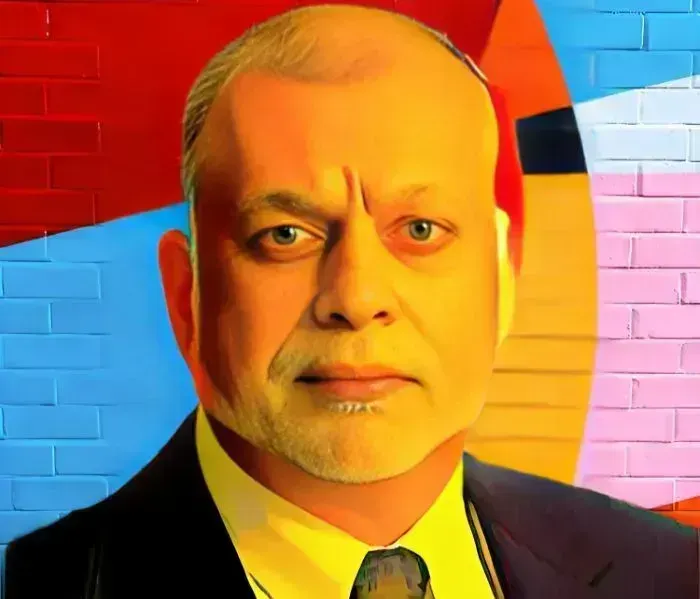
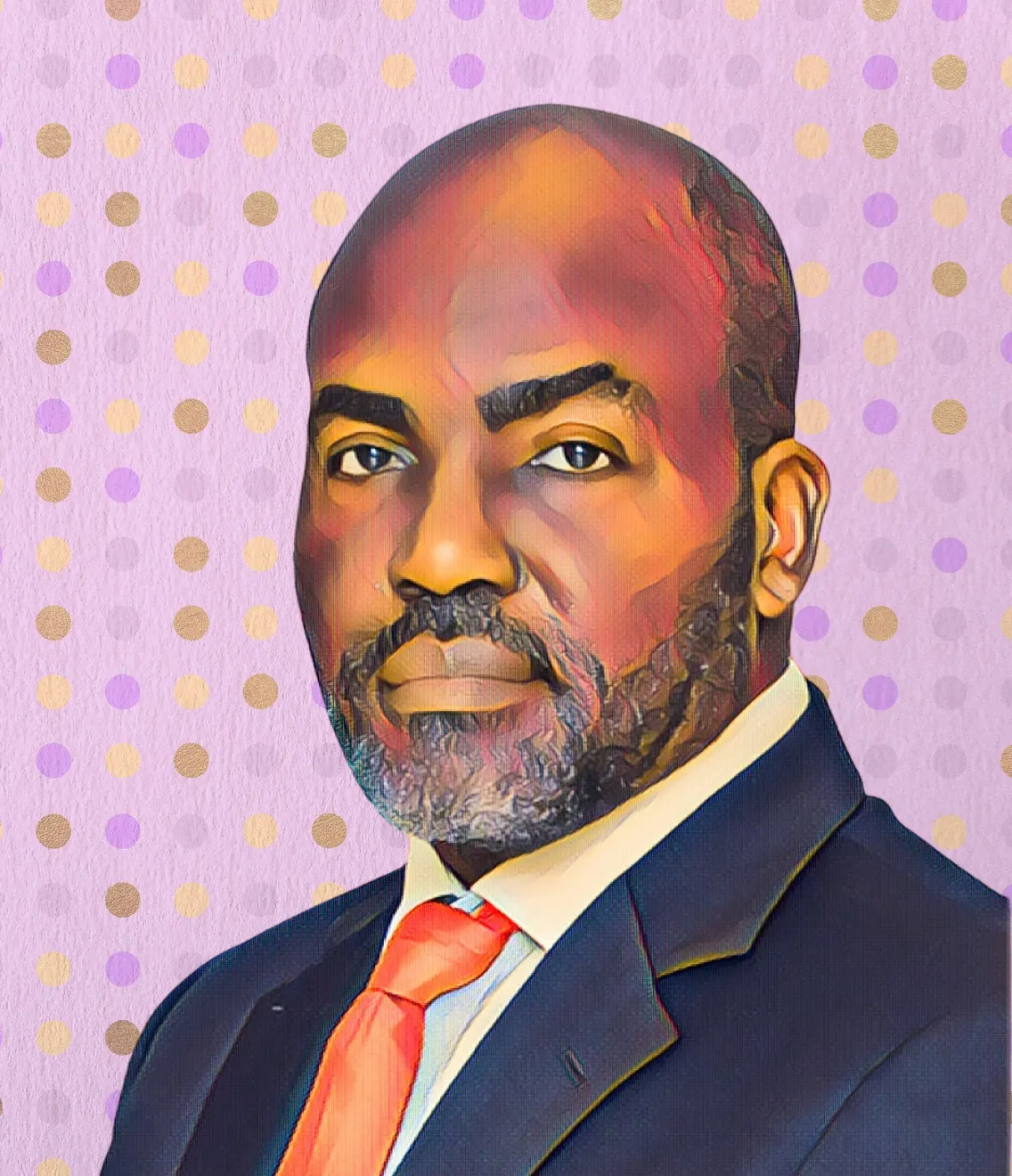
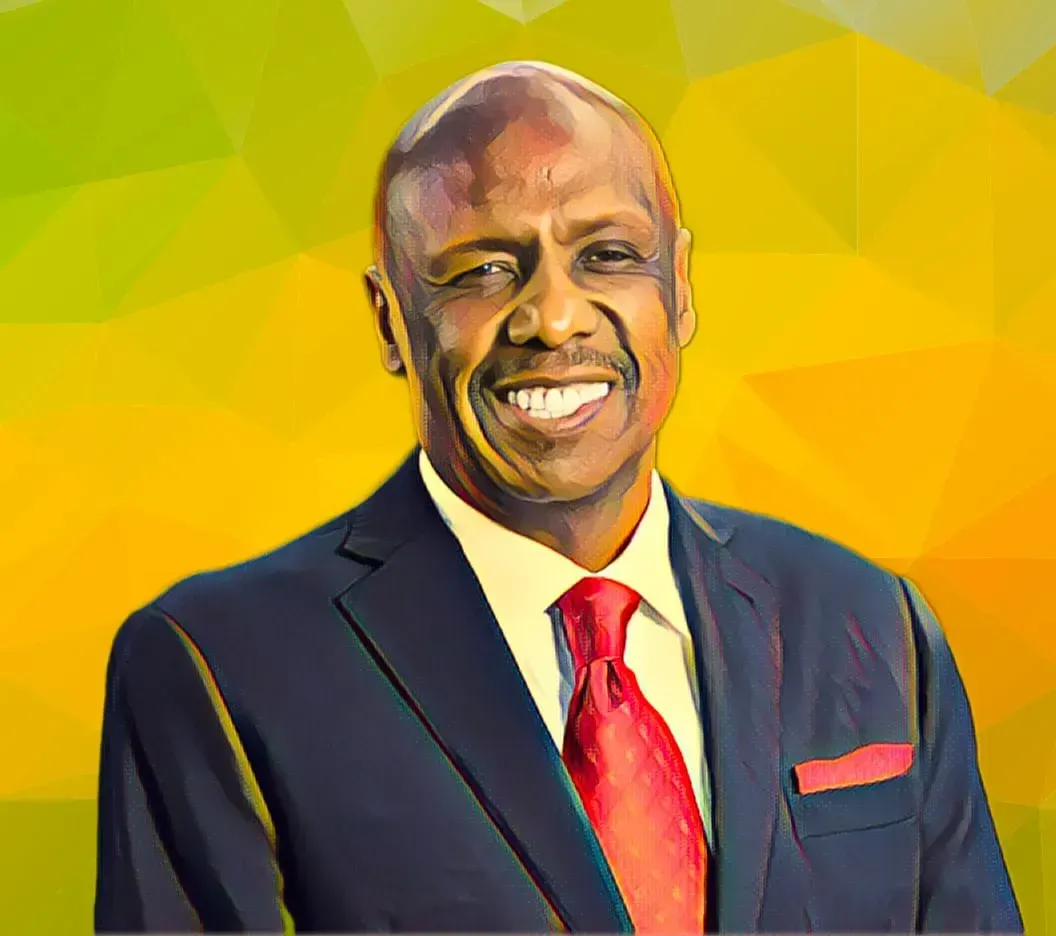
President William Ruto has launched a sustained and increasingly personal assault on Kenyan billionaire Gideon Moi, accusing the KANU chairman and Standard Group owner of running what he described as "extortion gangsterism driven by greed" through the media house's critical coverage of his administration, while calling out the months of unpaid salaries owed to Standard Group employees as evidence of a billionaire hiding behind manufactured financial difficulties.
The confrontation, which erupted across X over two consecutive days on June 24 and 25, 2026, marks one of the most direct and sustained attacks by a sitting Kenyan president against a billionaire media owner in recent memory. It began on June 24 when Ruto accused Standard Group of running what he called "five days a week extortionist propaganda headlines" against his government. "GMoi, your STANDARD media's 5 days a week EXTORTIONIST propaganda HEADLINES on me and my administration's transformative track record will get you NOTHING and NOWHERE. BLACKMAIL to yield to your GREED? NEVER. Kenya belongs to all Kenyans, not you alone. Jaribu 8 days a week. Do your WORST," the President wrote.
Standard Group hit back the same day. The media house issued a strongly worded public statement defending its editorial independence, aired a prime-time editorial response on KTN News and launched a social media campaign under the slogan "eight days a week" embracing Ruto's challenge to intensify its coverage. CEO Chacha Mwita dismissed the President's language as unbecoming of the office and accused the government of owing Standard Group KSh 1.2 billion in unpaid dues, a financial claim the company said has contributed directly to the operational difficulties Ruto was exploiting politically. "The government owes us KSh 1.2 billion," Mwita said, arguing that the State's failure to settle its debt to the media house had created the very financial pressures Ruto was now publicly weaponising.
Ruto returned on June 25 with a second attack that shifted the focus from editorial content to employee welfare. "Bro, the BILLIONAIRE you are; HIDING behind 'debts'; forcing many months' UNPAID labour slaving to defend your STANDARD headlines 'BOLD' extortion GANGSTERISM driven by GREED; is HEARTLESS to loyal workers, INSULT to journalism and BETRAYAL to free media that STANDARD once belonged," he wrote. The post, widely circulated for its unusual capitalisation and syntax, accused Moi of using unpaid journalists and staff as instruments of his media war while sheltering behind claims of financial hardship that Ruto said were incompatible with his billionaire status.
Standard Group's financial distress is well documented and predates the current feud. The company undertook a major redundancy programme in July 2024, laying off hundreds of staff, with affected employees reporting that promised redundancy dues had not been fully settled months later. Current employees had separately reported going up to five months without salary as the company struggled with declining advertising revenues, rising operational costs and the government's outstanding KSh 1.2 billion debt. The Media Council of Kenya had separately raised concerns in March 2026 about what it described as a persistent pattern of sensationalism and publication of unverified information by the media house, a charge that Standard Group rejected.
The political backdrop to the feud is complicated. As recently as October 2025, Moi and Ruto appeared to be moving toward political accommodation, with Moi publicly abandoning a planned bid for the Baringo Senate seat following consultations with the President, a move widely interpreted as a gesture of political alignment between KANU and the Kenya Kwanza administration. Opposition leaders including Kalonzo Musyoka and former Deputy President Rigathi Gachagua criticised the apparent rapprochement. The June 2026 explosion suggests that whatever accommodation was reached in late 2025 has since collapsed, though neither side has acknowledged a formal fallout.
Gideon Moi, 60, is the son of former Kenyan President Daniel arap Moi, who governed Kenya from 1978 to 2002. Gideon inherited control of the Standard Group media empire, which includes The Standard newspaper, the Sunday Standard, KTN News, Radio Maisha and several digital properties, and has built a business portfolio spanning hospitality, agriculture and media across Kenya and the wider East African region. His net worth is estimated at approximately $500 million, placing him among the wealthiest figures in Kenyan private life. Standard Group is listed on the Nairobi Securities Exchange.
The intelligence satisfies curiosity. The paid briefings satisfy strategy.
Every Monday, Elite subscribers receive an Investor Memo breaking down the deal, the structure and the positioning behind the week's most consequential African wealth story - the kind of analysis that doesn't appear anywhere else.
Twice a month, a Wealth Intelligence brief profiles a single billionaire's holdings, cash flows and expansion pipeline in detail no public source matches.
→ Executive ($25/mo): Daily newsletter + Deep-Dive Reports
→ Elite ($75/mo): Everything above + Investor Memos + Wealth Intelligence + Quarterly Analyst Briefings
Subscribe now