


Table of Contents
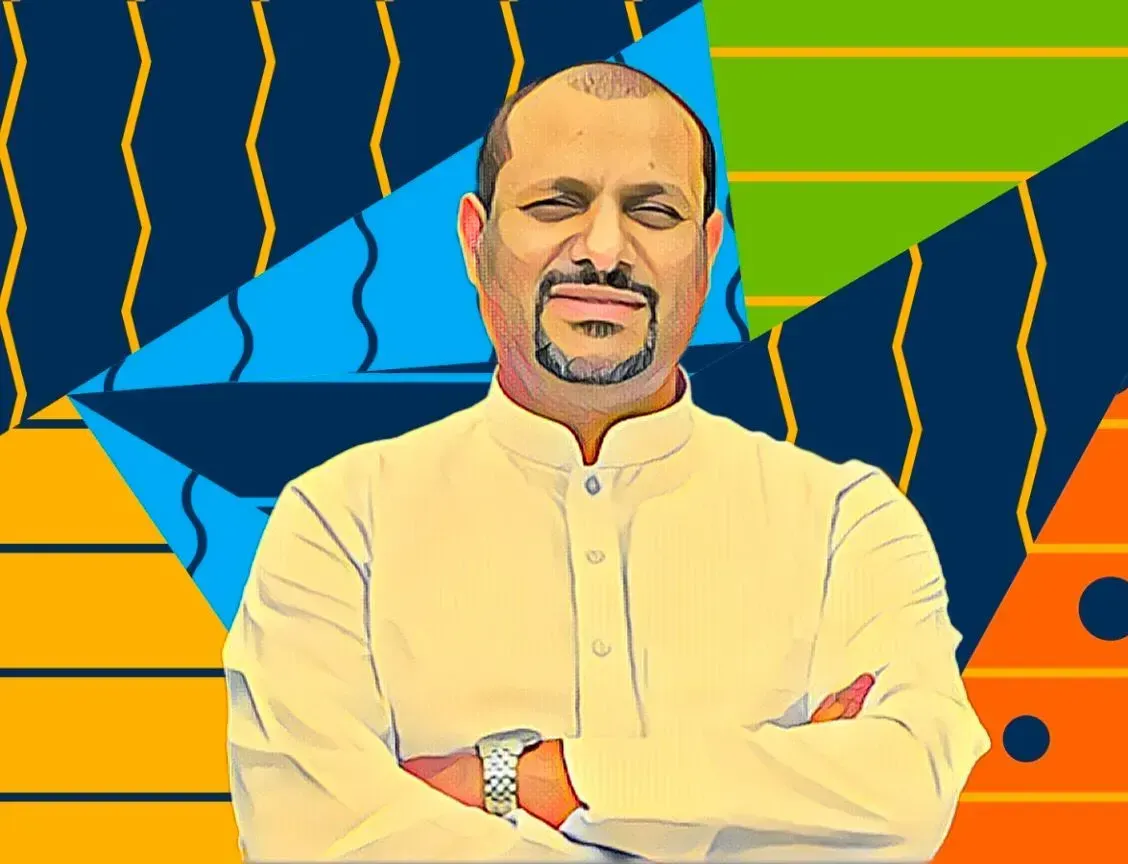
President Yoweri Museveni has met Tanzanian billionaire Rostam Aziz, the incoming majority shareholder of Nation Media Group, the strongest sign yet that Uganda's top political leadership is directly involved in resolving the shutdown of the Daily Monitor and NTV Uganda.
Museveni announced the meeting himself in a post on X, saying he had received Aziz at State House Entebbe on Friday and describing him as chairman of the Taifa Group of Companies. Photographs released by the presidency showed Aziz accompanied by Georgia Mutagaywa, chief of staff at Taarifa Limited, the vehicle through which he is acquiring control of Nation Media Group, along with a senior company representative.
The meeting marks an escalation in a crisis that has run for nearly three weeks. Security forces shut down Nation Media Group's Ugandan operations at the end of June, disrupting the printing of the Daily Monitor and taking NTV Uganda, Spark TV, KFM and Dembe FM off air. The company said the operation was carried out on the orders of General Muhoozi Kainerugaba, Uganda's Chief of Defence Forces and Museveni's son, who announced the closure on his personal X account and accused the media house of running a campaign against the government.
Until Friday, the president had stayed publicly out of the standoff, leaving his son as its face. His decision to receive Aziz at State House brings the head of state directly into negotiations over the fate of East Africa's most influential independent media group.
The government has said the shutdown stemmed from a security-led inquiry ordered by Museveni, involving the Uganda People's Defence Forces, the Criminal Investigations Directorate and other agencies. The outlets remain closed, and more than 500 journalists and media workers have been affected.
A significant detail emerged from the discussions. People familiar with the talks told ChimpReports that Aziz informed Ugandan officials he had not yet assumed full control of Nation Media Group, because his acquisition of the controlling stake remains subject to regulatory approvals in Kenya, Uganda and other regional jurisdictions. That leaves him negotiating over a company he is still in the process of acquiring, rather than one he fully owns.
The acquisition itself ended one of the longest ownership eras in African media. In March, Aziz's Taarifa Limited agreed to buy the Aga Khan Fund for Economic Development's 54.08 percent controlling stake in Nation Media Group, about 92.6 million shares, ending 66 years of stewardship by the Aga Khan over the Nairobi-based group. Once completed, the deal would make Aziz the controlling shareholder of a company whose reach spans Kenya, Uganda, Tanzania and the wider region.
The Friday meeting followed an earlier round of talks. On July 1, Aziz met General Muhoozi at the Special Forces Command headquarters in Entebbe, accompanied by his son Saam Aziz and Mutagaywa, in a session that also included journalist Andrew Mwenda and a senior military spokesman. Reports of that meeting said the company's representatives committed in principle to more patriotic journalism as a condition for reopening the outlets, a phrasing that press-freedom groups have watched closely.
The commitment sits uneasily against the pledges Aziz made when he agreed to buy the group. He said at the time that the acquisition was purely commercial, that his relationships with regional political leaders were personal matters unrelated to editorial decisions, and that the company's editorial independence would be maintained. Whether the understandings reached in Entebbe honor that pledge, or compromise it, has become the central question hanging over the takeover.
The shutdown has drawn international condemnation. The Committee to Protect Journalists called on Ugandan authorities to remove security forces from the group's premises and to let it operate freely, and urged Museveni to hold his son accountable for what it described as an abuse of power. The organization noted that the Daily Monitor and NTV Uganda have long reported on corruption allegations, human rights concerns and electoral disputes alongside their coverage of government programs.
Aziz built his fortune in Tanzania across telecommunications, mining, energy and infrastructure through the Taifa Group, and he is among the wealthiest people in East Africa. He has maintained close ties to political leaders across the region, including in Tanzania, a network that has drawn scrutiny now that he controls a media group whose independence depends on resisting exactly that kind of political pressure.
The outcome of the State House meeting was not disclosed. What is clear is that the reopening of the Daily Monitor and NTV Uganda now rests on negotiations reaching to the highest level of the Ugandan state, and on terms that will test whether one of Africa's most important newsrooms can retain its independence under new ownership.
The talks are continuing, and no formal order to restore the outlets had been issued.
The intelligence satisfies curiosity. The paid briefings satisfy strategy.
Every Monday, Elite subscribers receive an Investor Memo breaking down the deal, the structure and the positioning behind the week's most consequential African wealth story - the kind of analysis that doesn't appear anywhere else.
Twice a month, a Wealth Intelligence brief profiles a single billionaire's holdings, cash flows and expansion pipeline in detail no public source matches.
→ Executive ($25/mo): Daily newsletter + Deep-Dive Reports
→ Elite ($75/mo): Everything above + Investor Memos + Wealth Intelligence + Quarterly Analyst Briefings
Subscribe now