


Table of Contents
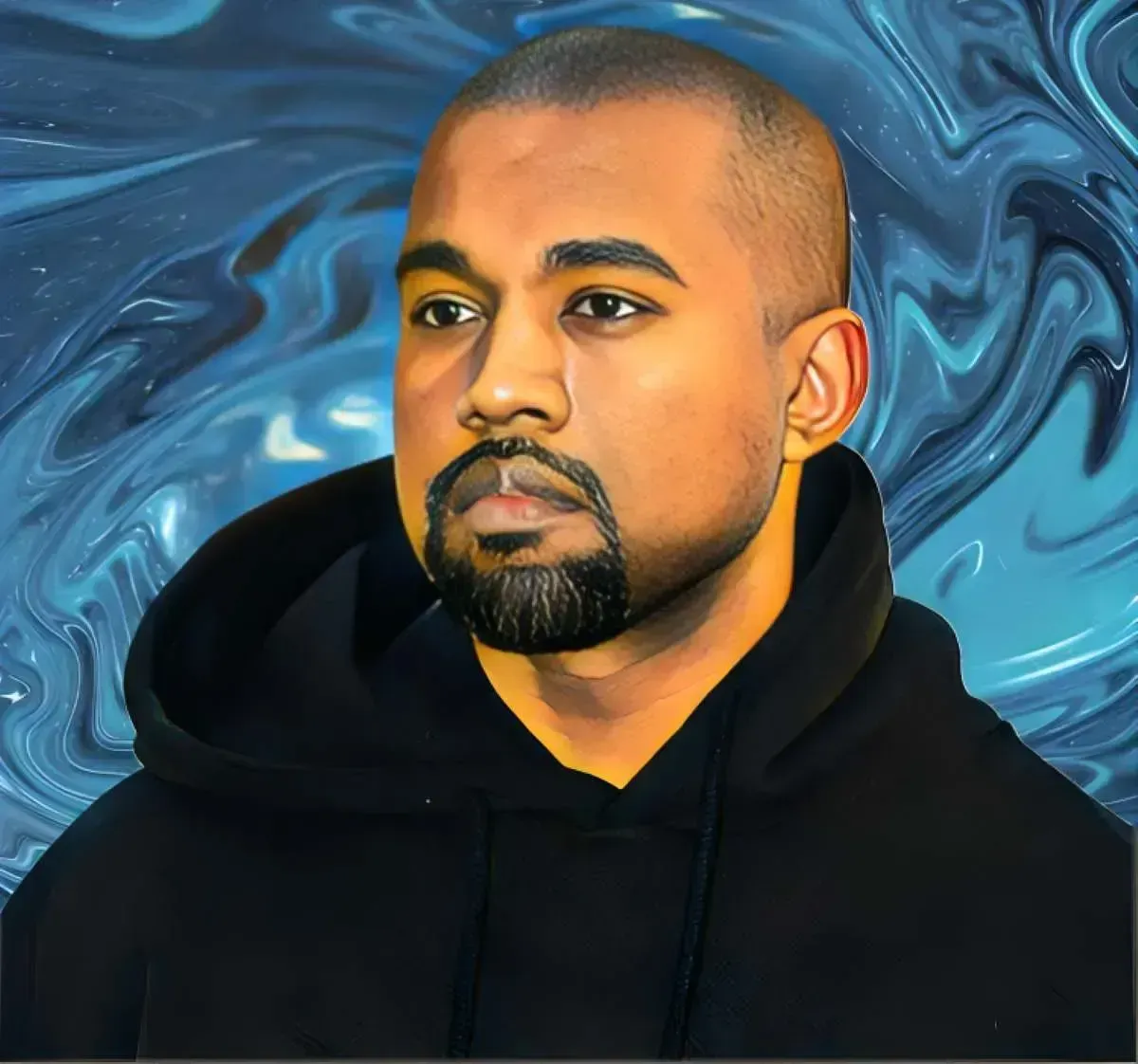
Alex Karp, the billionaire chief executive of Palantir, says artificial intelligence could multiply his fortune twentyfold while ordinary workers see only modest gains, a gap he describes as the most serious problem facing the United States.
Karp, whose net worth stands at about $15 billion, made the remarks in an interview with Axel Springer chief executive Mathias Döpfner on the MDMeets podcast. Palantir's market value has climbed to roughly $322 billion on the strength of the AI boom, and Karp's own holding has risen with it.
"The biggest problem in this country is AI will raise the standard of living of the average person, but the people involved are likely to get 10, 100 times wealthier than they already are," he said. "That's a problem for society."
His own projection was specific. Karp estimated the technology could make him twenty times wealthier, implying a fortune approaching $300 billion, while suggesting middle-class workers might see their salaries double over the next decade. He called the result a complete decoupling of unimaginable wealth from normal wealth.
The people collecting the money
Karp reserved his sharpest language for the character of the group set to capture those gains, a class he counts himself among.
"It's done by people you don't really relate to, like very oddly shaped IQ specimens that you probably wouldn't want to have over for dinner," he said. "And if they were over for dinner you'd have nothing to talk to them about, and vice versa."
He argued that many of the same people stand to gain most from AI while inflating what it can do. "The overselling of AI in this country is really somewhat disconcerting, but it's also depressing because you don't have to do it," he said.
The comments extend a pattern for Karp, who has repeatedly criticised the industry that has made him rich. He drew attention earlier this month for attacking the token-based pricing models of AI developers including OpenAI and Anthropic, describing parts of the industry's economics in blunt terms during a television interview.
A record year for billionaire wealth
The numbers behind his warning are already visible. Global billionaire wealth rose more than 16% in 2025 to $18.3 trillion, its highest level on record and three times the pace of the previous five-year average, according to Oxfam.
No fortune illustrates the acceleration more clearly than Elon Musk's. The Tesla and SpaceX chief executive is worth roughly $833 billion after briefly becoming the world's first trillionaire following the SpaceX listing in June, a peak his fortune has since fallen well below as the stock retreated toward its offering price.
Oxfam has framed the scale of such wealth against poverty. It estimated that someone holding a trillion-dollar fortune could pay a 10% wealth tax, roughly $100 billion, and remain among the richest people alive, and that the same sum would be enough to lift more than 800 million people out of extreme poverty for a year. The majority of people living in extreme poverty are in sub-Saharan Africa, where the gap between global capital formation and household income is starkest.
Other financiers raising the same alarm
Karp is not alone among senior executives warning that the benefits of AI are concentrating.
Larry Fink, the BlackRock chief executive whose own net worth is estimated at $1.3 billion, told the World Economic Forum in Davos this year that wealth created since the fall of the Berlin Wall had accrued to a narrower share of people than any healthy society can sustain. "Early gains are flowing to the owners of models, owners of data and owners of infrastructure," Fink said. "The open question: what happens to everyone else if AI does to white-collar workers what globalization did to blue-collar workers?"
Geoffrey Hinton, the Nobel laureate computer scientist known as the godfather of AI, has put it more bluntly, predicting that wealthy owners will use the technology to replace workers, producing mass unemployment alongside a surge in profits.
Jamie Dimon, chief executive of JPMorgan Chase, has taken a more measured position while conceding the underlying grievance. He told Axios that lower-income Americans had in fact been left behind, and acknowledged the frustration of citizens watching the wealthy grow far wealthier.
Karp, 58, co-founded Palantir in 2003 with Peter Thiel and others, building a data analytics company whose contracts with defence and intelligence agencies made it one of the most politically contested firms in American technology. Its share price has surged on demand for AI systems, lifting his personal stake into the tens of billions.
His forecast leaves an unresolved question about what, if anything, he believes should be done. Karp identified the disparity as a societal problem without proposing a remedy, and the fortune he expects to multiply is the one his own company is generating.
The intelligence satisfies curiosity. The paid briefings satisfy strategy.
Every Monday, Elite subscribers receive an Investor Memo breaking down the deal, the structure and the positioning behind the week's most consequential African wealth story - the kind of analysis that doesn't appear anywhere else.
Twice a month, a Wealth Intelligence brief profiles a single billionaire's holdings, cash flows and expansion pipeline in detail no public source matches.
→ Executive ($25/mo): Daily newsletter + Deep-Dive Reports
→ Elite ($75/mo): Everything above + Investor Memos + Wealth Intelligence + Quarterly Analyst Briefings
Subscribe now