

Table of Contents
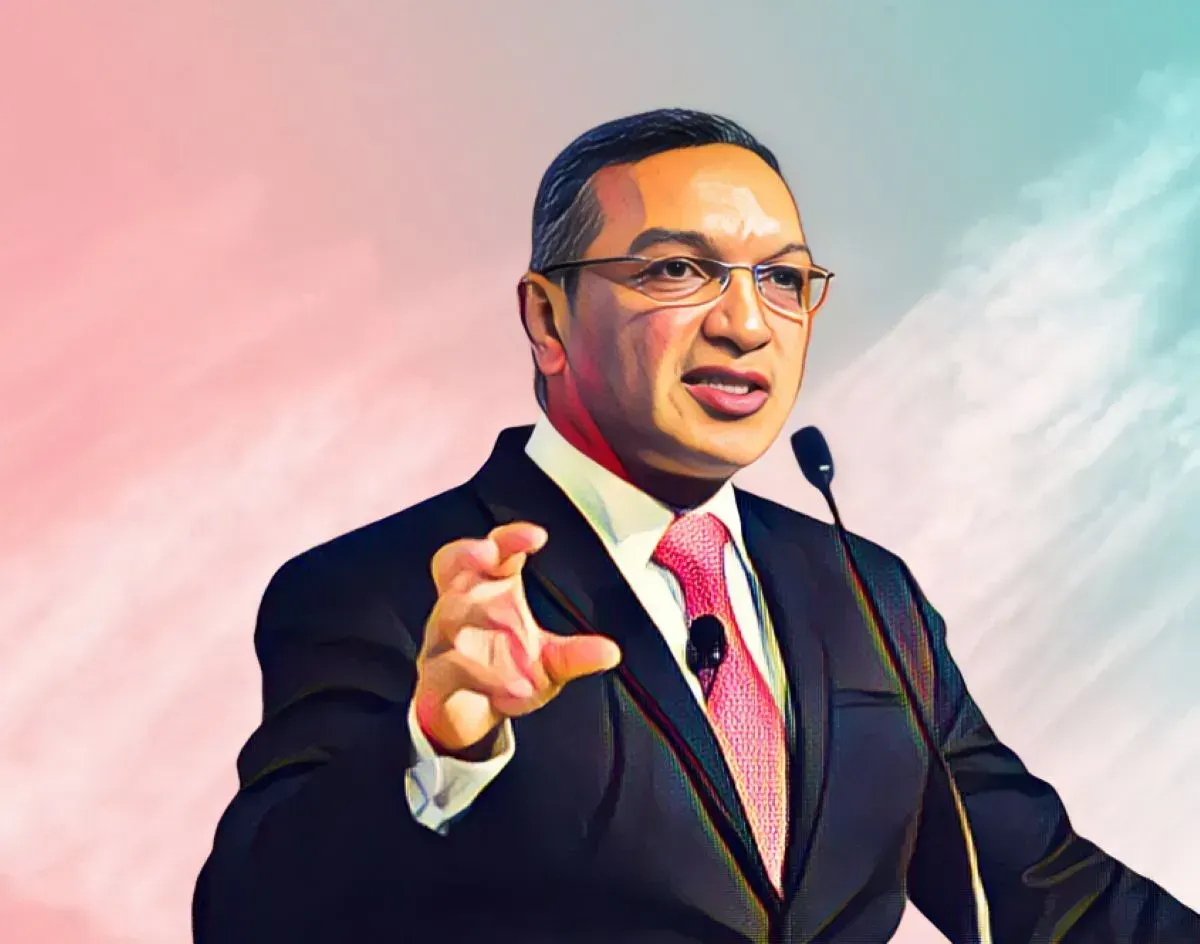
Salimo Abdula, the founder and chairman of Intelec Holdings and one of Mozambique's wealthiest businessmen, told the country's main corporate gathering that African companies will compete internationally only if they innovate with purpose and build alliances that carry them past their home markets.
He was speaking on Wednesday at the 2026 Mozambique CEO Summit, held at the Joaquim Chissano International Conference Centre in Maputo, on a panel titled "How to Lead, Innovate and Internationalise Businesses on the African Continent."
Sustainable growth, Abdula argued, rests on a company's ability to develop competitive products and consolidate strategic partnerships that create value beyond national borders. He said the present economic climate demands leaders capable of responding to fast-moving markets through modernised management models and closer cooperation between the public and private sectors, and that the continent's economic potential will be realised only where firms adopt a long-term view and push regional integration.
A summit framed by the energy build-out
The remarks landed at an event opened by President Daniel Chapo, who used his address to set out the case for Mozambique as a southern African energy hub. Chapo said liquefied natural gas projects under development in the Rovuma Basin, in the northern province of Cabo Delgado, represent an estimated investment of more than $50 billion.
The government's ambition, he said, is not simply to export energy and raw materials but to process more, employ more and lift living standards. He pressed the operators of large projects to open opportunities for small and medium-sized companies, prioritise local content and transfer skills to Mozambican firms.
Chapo also pointed to planned investment in the Nacala, Beira and Maputo development corridors, hydropower schemes in the Zambezi Valley including Cahora Bassa, Mphanda Nkuwa, Lupata and Boroma, and a target of universal electricity access by 2030. He committed to simplifying procedures, reducing bureaucracy and strengthening public institutions. Economy Minister Basílio Muhate attended, alongside chief executives and investors from Mozambique and several other African countries.
Four decades from an abandoned shop
Abdula was born in Quelimane, in Zambézia province, and grew up in a large household where work started early. He led the provincial basketball association at 17, worked shifts at a cinema bar and then at an electrical supply business called A Illuminante, before travelling to Maputo on a military transport aircraft to study information technology during the civil war.
He took over A Illuminante in his early twenties after its owners walked away, and founded Intelec Holdings in 1997. The group now spans energy, telecommunications, construction, agriculture, finance, mining and textiles, and employs several thousand people directly. Abdula has said his strategy was deliberately not extractive, and that he wanted Mozambican output to gain value inside the country rather than leave as raw material. He has described job creation as the achievement he values most.
His telecoms interests are the most visible. He is among the larger shareholders in Vodacom Mozambique and served as its chairman, and he was appointed chairman of Vodafone M-Pesa in November. He is a former president of the Confederation of Economic Associations of Mozambique, the country's principal business lobby, and has led the business confederation of the Community of Portuguese-Language Countries.
Positioning ahead of FACIM
Abdula told the summit that gatherings of the kind serve as platforms for exchanging experience, stimulating investment and producing solutions to the continent's economic problems, and that dialogue between business leaders and government is essential to accelerate private sector development. He congratulated the organisers, Afonso Khosa and Lineu Candieiro, on the standard of the event.
The appearance sits within a broader push. Abdula has been named an ambassador for FACIM 2026, Mozambique's international trade fair, and said this month that he had met investors from several countries in Nairobi to promote opportunities in the Mozambican market. He has argued that the fair should function as a meeting point for capital rather than an exhibition.
The summit convened as Mozambique works to rebuild investor confidence following the unrest that accompanied the 2024 general election, which Chapo won and which extended into the opening weeks of his presidency after he took office in January 2025. Chapo has since made industrialisation and local participation in the energy sector central to his economic programme, and the question of how much of the Rovuma investment reaches Mozambican companies remains unresolved.
The intelligence satisfies curiosity. The paid briefings satisfy strategy.
Every Monday, Elite subscribers receive an Investor Memo breaking down the deal, the structure and the positioning behind the week's most consequential African wealth story - the kind of analysis that doesn't appear anywhere else.
Twice a month, a Wealth Intelligence brief profiles a single billionaire's holdings, cash flows and expansion pipeline in detail no public source matches.
→ Executive ($25/mo): Daily newsletter + Deep-Dive Reports
→ Elite ($75/mo): Everything above + Investor Memos + Wealth Intelligence + Quarterly Analyst Briefings
Subscribe now