

Table of Contents
Egypt's cabinet has approved the country's first private investment zone with a dedicated customs system, clearing the final regulatory hurdle for a development that will cost more than the annual output of several African economies.
The zone covers The Spine, a mixed-use city Talaat Moustafa Group is building inside its Madinaty development in New Cairo, at an investment exceeding LE1.4 trillion, about $27 billion. The decision came at the cabinet's weekly meeting on Thursday and follows approval by the board of the General Authority for Investment and Free Zones in April, chaired by Investment and Foreign Trade Minister Mohamed Farid.
The project is being executed by Orion Urban Development, a TMG subsidiary, in partnership with the National Bank of Egypt, which holds 24.5%. Paid-up capital stands at LE69 billion, roughly $1.3 billion, with the full investment to be deployed over 14 years.
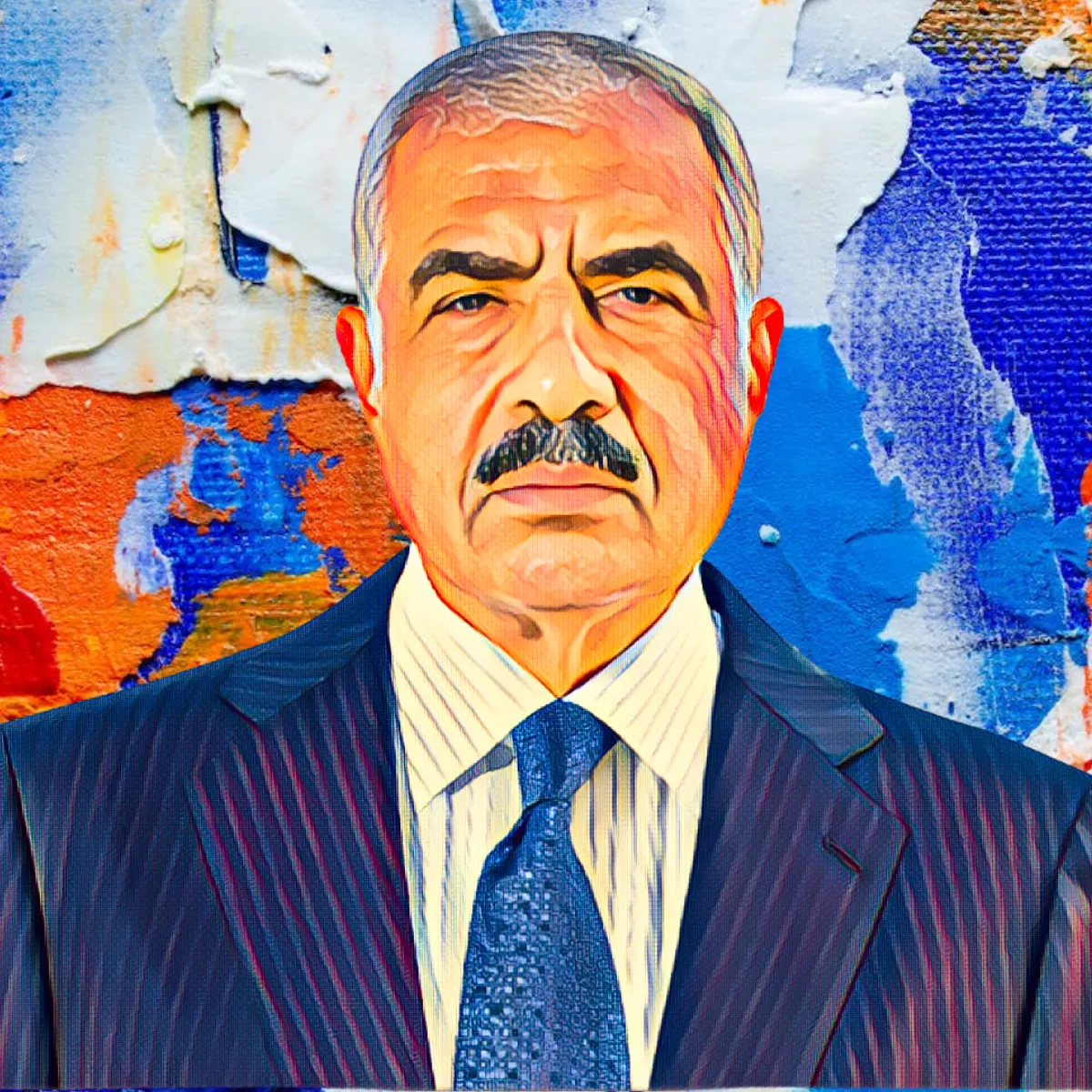
Hisham Talaat Moustafa, the group's chief executive and managing director, launched it at a press conference in April attended by Prime Minister Mostafa Madbouly. He described it as the spinal cord of a modern economy.
The numbers are unusual even by the standards of Egyptian megaprojects. The zone spans 506 feddans, about 2.1 million square metres, and will comprise 165 towers combining residential, administrative, commercial, hospitality, entertainment, tourism and healthcare use. Seventy percent of the footprint, more than 1.5 million square metres, is designated green and open space.
TMG expects it to contribute around 1% of Egyptian gross domestic product, generate LE818 billion in tax revenue over its life, and create 55,000 direct jobs alongside 100,000 indirect ones. Talaat Moustafa said the development is designed to draw tens of millions of visitors a year, supporting commercial, service, tourism and business activity.
What makes the cabinet decision significant beyond the scale is the regulatory precedent. A special investment zone with its own on-site customs circle allows licences, approvals and imports to be handled through a unified board rather than the standard national process. Egypt has granted free zone status to industrial areas before. It has not previously granted a private developer this arrangement for an urban project.
The structure is aimed squarely at foreign corporations. Talaat Moustafa has positioned The Spine as a cognitive city, run on artificial intelligence and smart management systems, and pitched at multinationals weighing regional headquarters against Gulf alternatives. Simplified procedures and a dedicated customs framework are the commercial argument, not the architecture.
He has described it as more than a conventional real estate project, calling it an integrated economic model designed to make Egypt a leading destination for international investment.
The approval lands as Egypt's public finances draw continued external support. The International Monetary Fund's board approved a $1.8 billion disbursement to the country on Friday following its seventh review, part of the programme that has underpinned the pound since the 2024 devaluation.
That backdrop is part of the rationale. Egypt has spent a decade building new cities in the desert, most visibly the New Administrative Capital further east, on the argument that the Nile Valley is among the most densely populated inhabited areas on earth and new urban centres are the only route to relieving pressure on Cairo.
The Spine is a private bet on the same thesis, with a state bank alongside it.
Talaat Moustafa Group is among Egypt's largest listed developers, and Madinaty is its flagship. The company built it on desert land east of Cairo over two decades, and the new project sits inside that existing footprint rather than on virgin ground, which shortens the infrastructure timeline considerably.
The Talaat Moustafa family has been developing Egyptian property since the 1970s. Hisham Talaat Moustafa took over the group after his father, and the business has grown through Egypt's currency crises, revolutions and repeated devaluations, which have made real assets a preferred store of value for Egyptians with money to protect.
That dynamic explains much of the demand the project is counting on. The pound has lost a substantial share of its dollar value since 2022, and property has absorbed the savings of a middle class with limited alternatives.
The model carries the risks the model always carries. It depends on sustained demand for residential and commercial space and on financing costs that move with Egyptian interest rates, both of which can turn faster than a fourteen-year construction programme.
Neither TMG nor the cabinet has published a construction start date or a phasing schedule for the zone.
The intelligence satisfies curiosity. The paid briefings satisfy strategy.
Every Monday, Elite subscribers receive an Investor Memo breaking down the deal, the structure and the positioning behind the week's most consequential African wealth story - the kind of analysis that doesn't appear anywhere else.
Twice a month, a Wealth Intelligence brief profiles a single billionaire's holdings, cash flows and expansion pipeline in detail no public source matches.
→ Executive ($25/mo): Daily newsletter + Deep-Dive Reports
→ Elite ($75/mo): Everything above + Investor Memos + Wealth Intelligence + Quarterly Analyst Briefings
Subscribe now