

Table of Contents
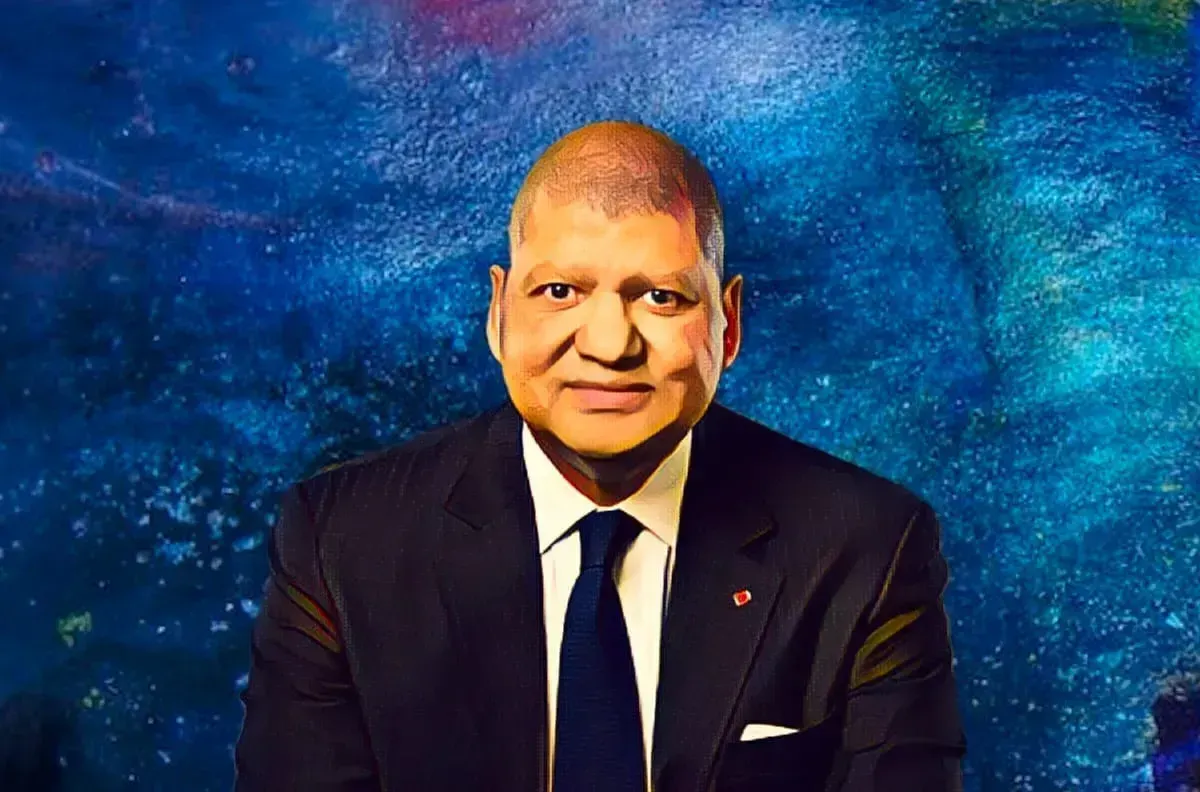
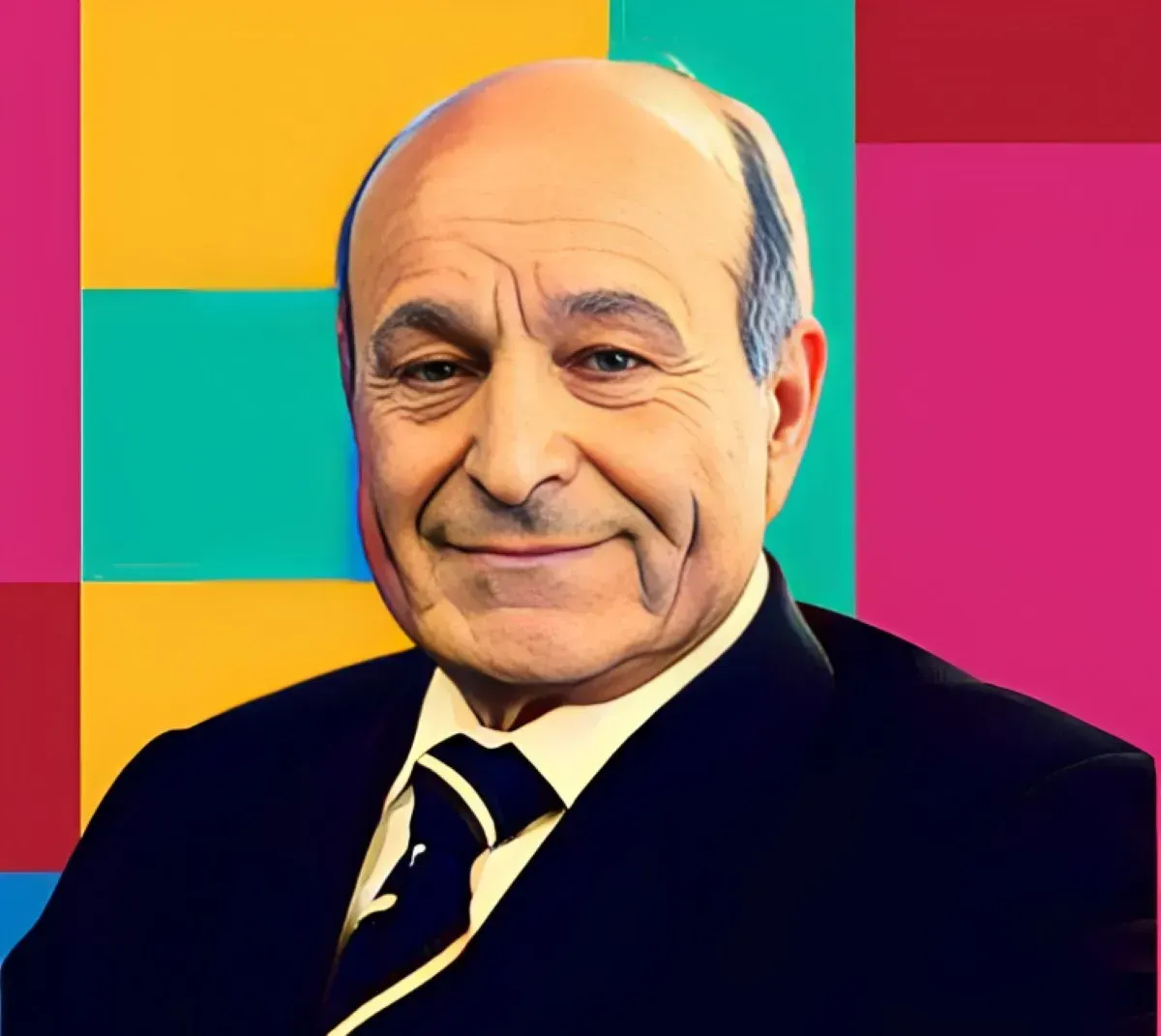
Issad Rebrab has been stripped of the last businesses he still ran.
An Algerian court barred him in May 2023 from creating any company or serving as a director of one. He kept running several small firms outside the family holding, including a Xerox distributorship, and those were taken from him at the start of the summer, according to people close to the family.
He is 82, and Forbes values him at $3.6 billion, the only Algerian on its global list.
What he built is a group with 26 subsidiaries across three continents, covering food processing, steel, glass, appliances, automotive assembly, retail, media and maritime transport, with a sugar refinery at Béjaïa among the largest in the world.
He holds no role in any of it.
From accountancy to steel
Rebrab was born on May 27, 1944 in Taguemount-Azouz, a village in the Kabylia highlands, to parents who fought in the independence war. He taught accounting and commercial law before opening his own practice, and in 1971 a client offered him 20% of a small metallurgical firm called Socomeg. He owned all of it by 1979.
Profilor followed in 1975 and Metal Sider in 1988.
The 1990s nearly ended him. His main installations were destroyed in a terrorist attack in 1995 that cost him more than a billion dinars, and he left the country. He returned in 1997 with a Hyundai dealership and founded Cévital in 1998, at 54, with the civil conflict still unresolved.
It became the largest private company in Algeria and made him the country's first dollar billionaire.
Buying Europe
Rebrab bought in the direction almost nobody does, from Africa into Europe.
Cévital acquired the Spanish aluminium extruder Alas Iberia, the French joinery business Oxxo, the Italian steel mill Lucchini, later renamed Aferpi, and the German water purification company EvCon. The largest was Groupe Brandt, the French appliance maker, bought in 2014 for around €100 million with a further €20 million committed to revive it.
An Algerian rescuing a French industrial icon was read in both countries as a reversal of something older.
Prison, then an ultimatum
He accused the Algerian state publicly in 2014 of blocking his projects, and a warrant was issued for his arrest. The family restructured Cévital the following year into separate sectors, designed to limit the damage if the government moved against it.
He was arrested on April 22, 2019, during the protests that ended Abdelaziz Bouteflika's presidency, charged with tax, banking and customs offences, sentenced to six months and released on Jan. 1, 2020 after serving eight. He denies wrongdoing.
The authorities gave him a choice in 2022. Step down from Cévital and close Liberté, the newspaper he owned, or return to prison. He did both. Liberté shut that April after three decades, and he handed the chief executive's office to his son Malik in July, having run the company for more than fifty years.
Brandt
The European side has been coming apart at the same time.
Brandt was placed under court-supervised administration, and Cévital held talks with management, unions and French judicial authorities about partial takeovers. Rebrab declined to put in more money, concluding the numbers did not justify a rescue.
The commercial court in Nanterre ordered it into liquidation on Dec. 11, 2025, eleven years after he bought it, ending hundreds of jobs.
The family
People inside Cévital have told Algerian reporters that the 2023 court order was connected to a family conflict, with children wanting their father out because he kept confronting President Abdelmadjid Tebboune's government. He has five.
Omar Rebrab, his eldest son, has been barred from any activity in the group since July 2025, which people close to the family attribute to his having sided with his father against siblings who aligned themselves with the government.
Rebrab still turns up at the headquarters in the Garidi district of Kouba, in Algiers, demanding the return of Cévital's management and telling people that both the state and his own children betrayed him.
What the numbers do not settle
Radio des sans voix reported this week that Cévital employed 22,000 people in 2019 and employs about 12,000 now, and that its assets have fallen from more than $5 billion in 2020 to roughly $2.5 billion.
Brandt supports that direction, and so does Rebrab's own fortune, down from a peak of $5.1 billion in 2022.
Other figures cut against it. Forbes has him up $600 million this year, a rise of 20%, and Cévital launched a $600 million sugar beet project in May, which is not what a company does while halving.
Cévital publishes no accounts, and neither the company nor the family has commented.
What is not in dispute is where the founder stands. Rebrab spent fifty years building the largest private company in Algeria, rebuilt it twice after losing nearly everything, bought European factories the Europeans could not save, and at 82 is legally barred from directing so much as a photocopier distributorship.
The intelligence satisfies curiosity. The paid briefings satisfy strategy.
Every Monday, Elite subscribers receive an Investor Memo breaking down the deal, the structure and the positioning behind the week's most consequential African wealth story - the kind of analysis that doesn't appear anywhere else.
Twice a month, a Wealth Intelligence brief profiles a single billionaire's holdings, cash flows and expansion pipeline in detail no public source matches.
→ Executive ($25/mo): Daily newsletter + Deep-Dive Reports
→ Elite ($75/mo): Everything above + Investor Memos + Wealth Intelligence + Quarterly Analyst Briefings
Subscribe now