

Table of Contents
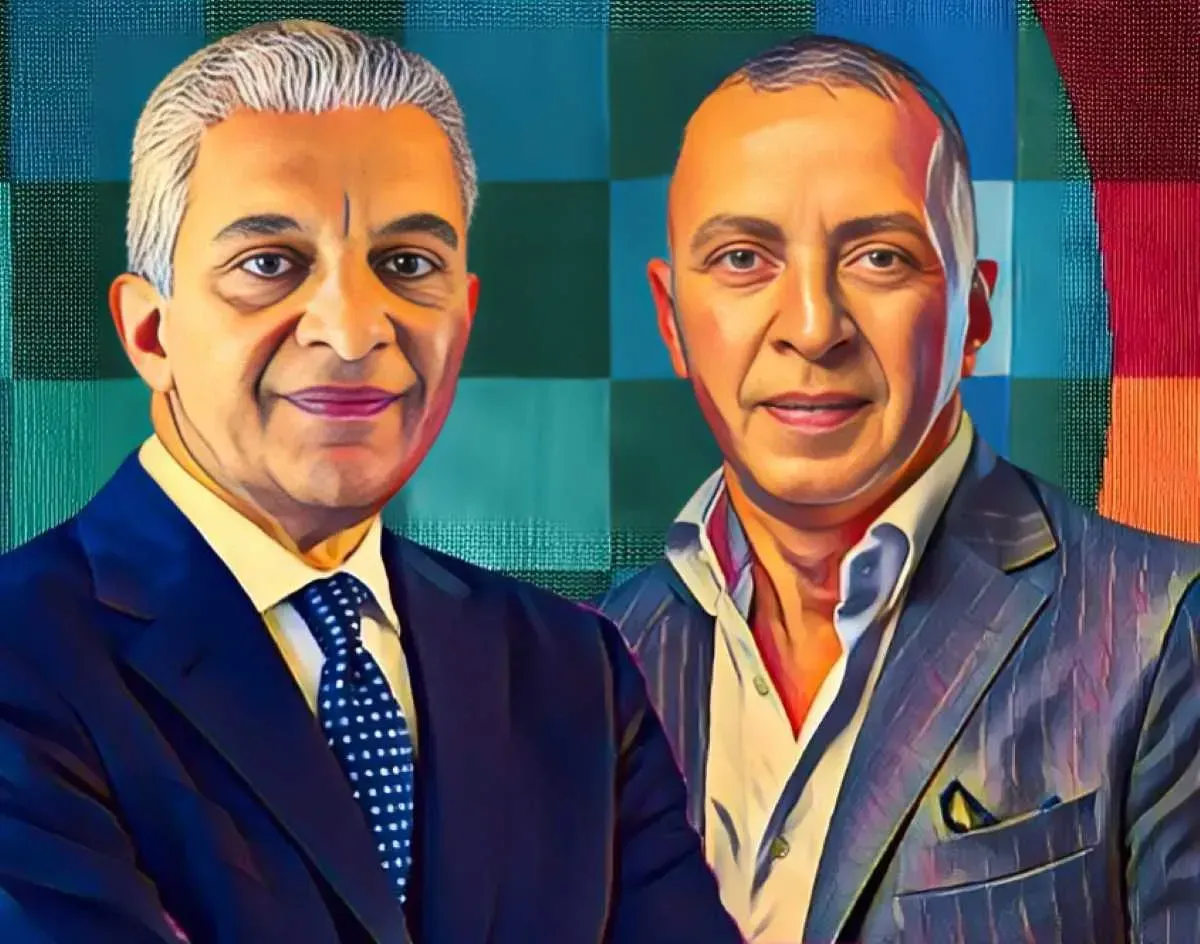
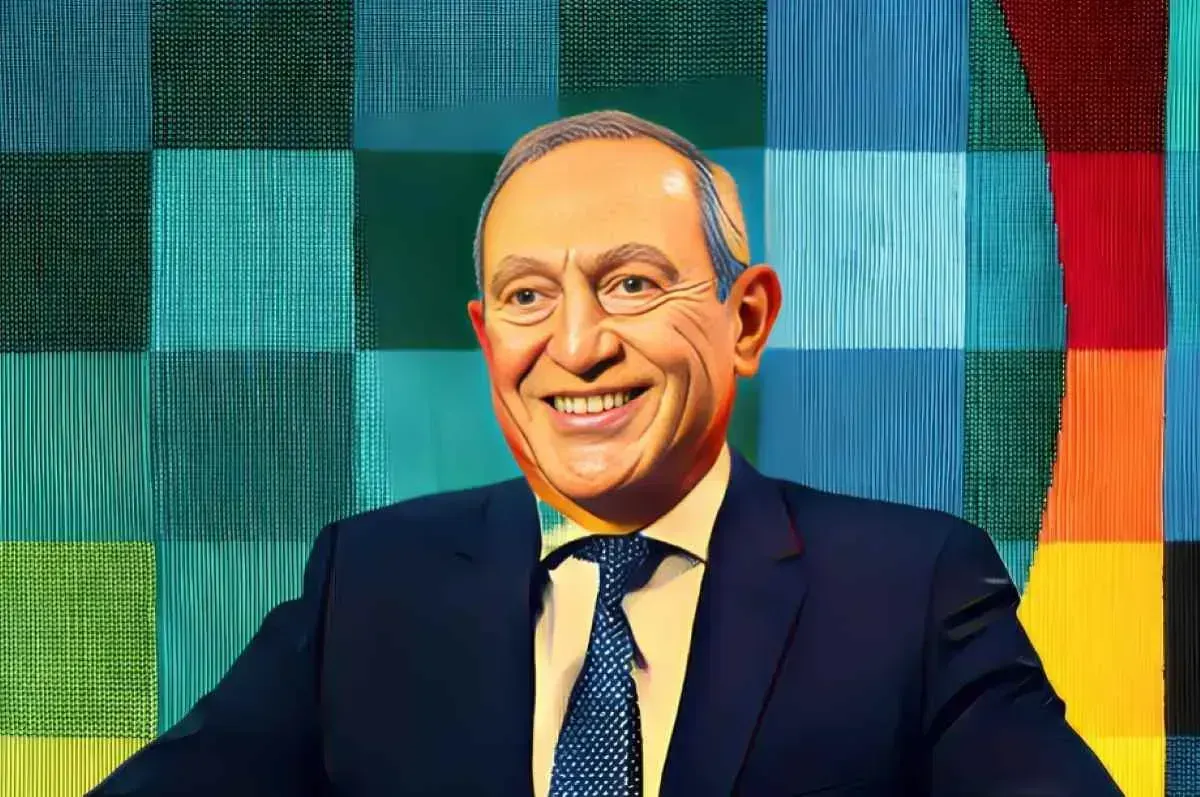
Nassef Sawiris bought a further 3 million shares in OCI on Friday, spending about €12.2 million, or $14.3 million, and taking the stake he controls in the Dutch-listed group to 57.1%.
The purchase was made through NNS Holding, the Cyprus-registered vehicle that manages the Sawiris family's capital, at an average price of €4.075 a share. It represents roughly 1.42% of OCI's issued share capital.
NNS now holds 120,288,019 shares, or about 56.91%. Counting the 389,730 shares Sawiris holds personally, the combined position reaches 120,677,749 shares, or 57.10%.
The disclosure was not voluntary. NNS made a public offer for OCI on June 24, and Dutch takeover rules require a bidder to announce every transaction in the target's shares while an offer is running. The rule exists so that minority shareholders can see what price a bidder is paying on the open market, which gives them a reference point for judging the offer itself.
Buying the company he built
Sawiris is the wealthiest person in Egypt and among the wealthiest in Africa. His family built the Orascom group, one of the largest business houses in the Arab world, across construction, telecoms, fertilisers and hotels, before splitting it into separate companies.
OCI began as the fertiliser and chemicals arm. It became one of the world's larger producers of nitrogen fertiliser and methanol, with plants in the United States, Europe and North Africa, and listed in Amsterdam rather than Cairo.
Over the past three years it has sold most of what it owned. The company disposed of its methanol business, its stake in Fertiglobe to Abu Dhabi's ADNOC, and its clean ammonia project in Texas, returning billions of dollars to shareholders in the process. What remains is a much smaller company holding cash and a handful of assets.
Taking it private is the logical conclusion of that dismantling. A listed company with few operations and a dominant shareholder has little reason to stay listed, since the costs of a public quotation continue while the reasons for it have gone.
Why the percentage matters
Passing 57% gives NNS a comfortable majority but leaves it well short of two thresholds that matter in Dutch law.
At 95% a bidder can force out remaining shareholders through a statutory squeeze-out, compelling them to sell. Below that, minority holders can refuse the offer and keep their shares, though they end up owning a stake in a company whose future is decided by someone else.
Every share NNS buys on the market brings it closer to those thresholds without going through the offer at all. The release makes clear this may continue, stating that NNS and its affiliates may keep purchasing shares outside the offer and will disclose such transactions by press release.
That is a standard formulation in takeover announcements, and it also functions as a signal to holders who are waiting for a higher price.
The family behind it
NNS Group was founded in 2008 by Sawiris and is privately owned. It describes itself as managing and investing the family's capital across public and private equities, credit and real estate, and as partnering with outside investors in joint ventures. It is registered in Limassol, Cyprus.
Sawiris himself has interests well beyond chemicals. He is a substantial shareholder in Adidas, the German sportswear company, and co-owns Aston Villa, the English Premier League football club, alongside the American investor Wes Edens. He has also been among the largest individual shareholders in construction group Orascom Construction.
His fortune has been built partly on selling well. The Fertiglobe disposal to ADNOC and the methanol sale to Methanex were both completed near cyclical highs for those businesses, and the proceeds have flowed back through OCI to shareholders, of whom he is by far the largest.
Neither NNS nor OCI has said when the offer is expected to close, or what NNS intends to do with the company if it succeeds.
The intelligence satisfies curiosity. The paid briefings satisfy strategy.
Every Monday, Elite subscribers receive an Investor Memo breaking down the deal, the structure and the positioning behind the week's most consequential African wealth story - the kind of analysis that doesn't appear anywhere else.
Twice a month, a Wealth Intelligence brief profiles a single billionaire's holdings, cash flows and expansion pipeline in detail no public source matches.
→ Executive ($25/mo): Daily newsletter + Deep-Dive Reports
→ Elite ($75/mo): Everything above + Investor Memos + Wealth Intelligence + Quarterly Analyst Briefings
Subscribe now