

Table of Contents
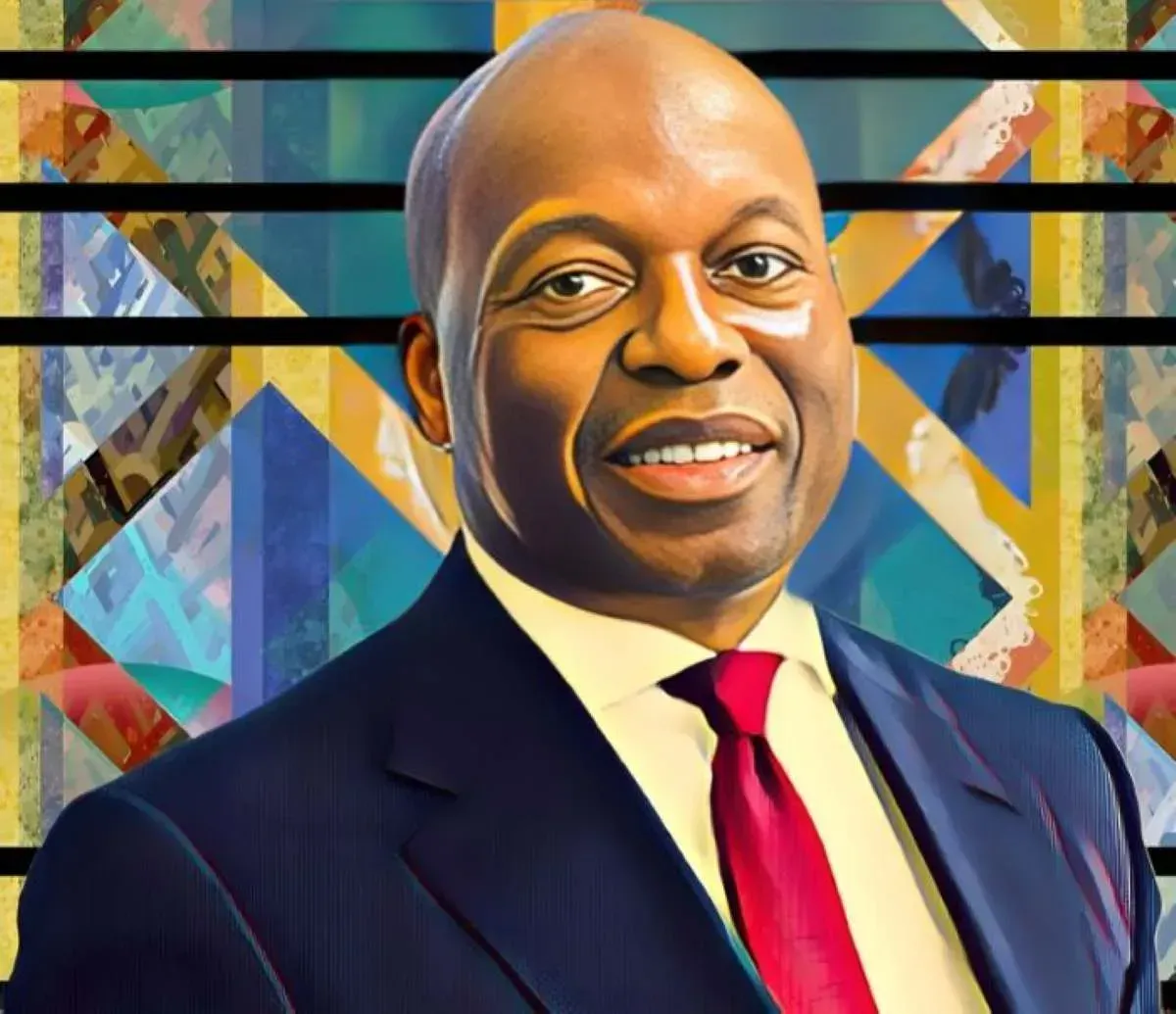
Shares in Oando have fallen roughly 28% since the end of May, even as the Nigerian energy group led by Wale Tinubu returned to quarterly profit for the first time in more than a year.
The company reported a second-quarter pre-tax profit of ₦44.53 billion, about $32 million, against a loss of ₦77.37 billion in the first three months of the year and a loss of ₦93.18 billion in the same quarter of 2025.
The stock closed July at ₦36.60, down 8.96% for the year to date. It had ended May at ₦51.00, when it was up 26.87% on the year, before falling 21.67% in June and a further 8.39% in July.
Across the half year to June 30, the pre-tax loss narrowed to ₦32.84 billion, or $23.6 million, from ₦145.74 billion, a reduction of 77.47%. Revenue rose 19.92% to ₦2.06 trillion, about $1.48 billion. Gross profit climbed 331% to ₦101.19 billion, and the group swung to an operating profit of ₦127.84 billion from an operating loss of ₦158.71 billion. Profit after tax reached ₦68.56 billion, up 8.28%, and earnings per share improved to ₦8.00 from ₦5.00.
Three things in the accounts explain why investors have not rewarded the recovery.
Most of the operating profit came from outside trading
Other operating income reached ₦48.52 billion, against operating losses of ₦298.29 billion a year earlier. The group also booked a net impairment reversal of ₦55.92 billion, below the ₦197.52 billion recorded in the prior year.
Together those items contributed ₦104.44 billion, equivalent to 81.7% of reported operating profit. Roughly four fifths of the operating result came from items outside the margin Oando earns selling to customers.
The core business remains thin. Supply and trading generated ₦1.72 trillion, or 83.24% of external revenue, and produced operating profit of ₦8.82 billion. That is an operating margin of 0.51%, meaning the segment kept about 51 kobo for every ₦100 it billed. Exploration and production contributed ₦344.23 billion, or 16.68% of revenue, at higher margins.
Cost of sales rose 15.61% to ₦1.96 trillion, slower than revenue, lifting gross margin to 4.90% from 1.36%. The second quarter reached 6.59%.
Debt absorbs everything the business earns
Finance costs fell 13.67% to ₦167.58 billion, about $120.6 million. Finance income collapsed to ₦6.28 billion from ₦158.99 billion, which flipped the group from net finance income of ₦12.97 billion to a net finance cost of ₦161.30 billion.
That equals 126.17% of operating profit. Everything Oando earned from operations in the first half was consumed servicing debt before reaching the tax line, which is how an operating profit of ₦127.84 billion becomes a pre-tax loss of ₦32.84 billion.
Total borrowings barely moved. Current borrowings fell ₦346.12 billion while non-current borrowings rose ₦352.39 billion, leaving the total broadly unchanged at ₦2.70 trillion. The debt was rescheduled rather than reduced.
Liabilities exceed assets by ₦530 billion
Total assets stand at ₦7.89 trillion, up 5.95% since December. Total liabilities stand at ₦8.42 trillion.
That leaves shareholders' equity at negative ₦530.45 billion, about $381.6 million, an improvement on the negative ₦566.97 billion recorded at the end of 2025 but still a position in which liabilities exceed everything the company owns.
Working capital shows the same strain. Current liabilities of ₦6.57 trillion sit against current assets of ₦3.54 trillion, a deficit of roughly ₦3.03 trillion, or $2.18 billion.
Liquidity improved at the margins. Cash and equivalents rose 23.88% to ₦544.92 billion, about $392 million, and the current ratio moved to 0.54 times from 0.44.
Collection remains the vulnerability. Receivables grew 23.85%, faster than the 19.92% growth in revenue, and receivables and contract assets now account for ₦2.71 trillion, or 34.33% of total assets. More than a third of what Oando owns is money other people have not yet paid it.
Tinubu founded Oando with Omamofe Boyo and built it into Nigeria's largest indigenous energy company, listed on both the Nigerian Exchange and the Johannesburg Stock Exchange, with operations across upstream production, trading and supply. He serves as group chief executive and Boyo as deputy group chief executive.
The results are unaudited, and Oando has issued no guidance for the second half.
The intelligence satisfies curiosity. The paid briefings satisfy strategy.
Every Monday, Elite subscribers receive an Investor Memo breaking down the deal, the structure and the positioning behind the week's most consequential African wealth story - the kind of analysis that doesn't appear anywhere else.
Twice a month, a Wealth Intelligence brief profiles a single billionaire's holdings, cash flows and expansion pipeline in detail no public source matches.
→ Executive ($25/mo): Daily newsletter + Deep-Dive Reports
→ Elite ($75/mo): Everything above + Investor Memos + Wealth Intelligence + Quarterly Analyst Briefings
Subscribe now