

Table of Contents
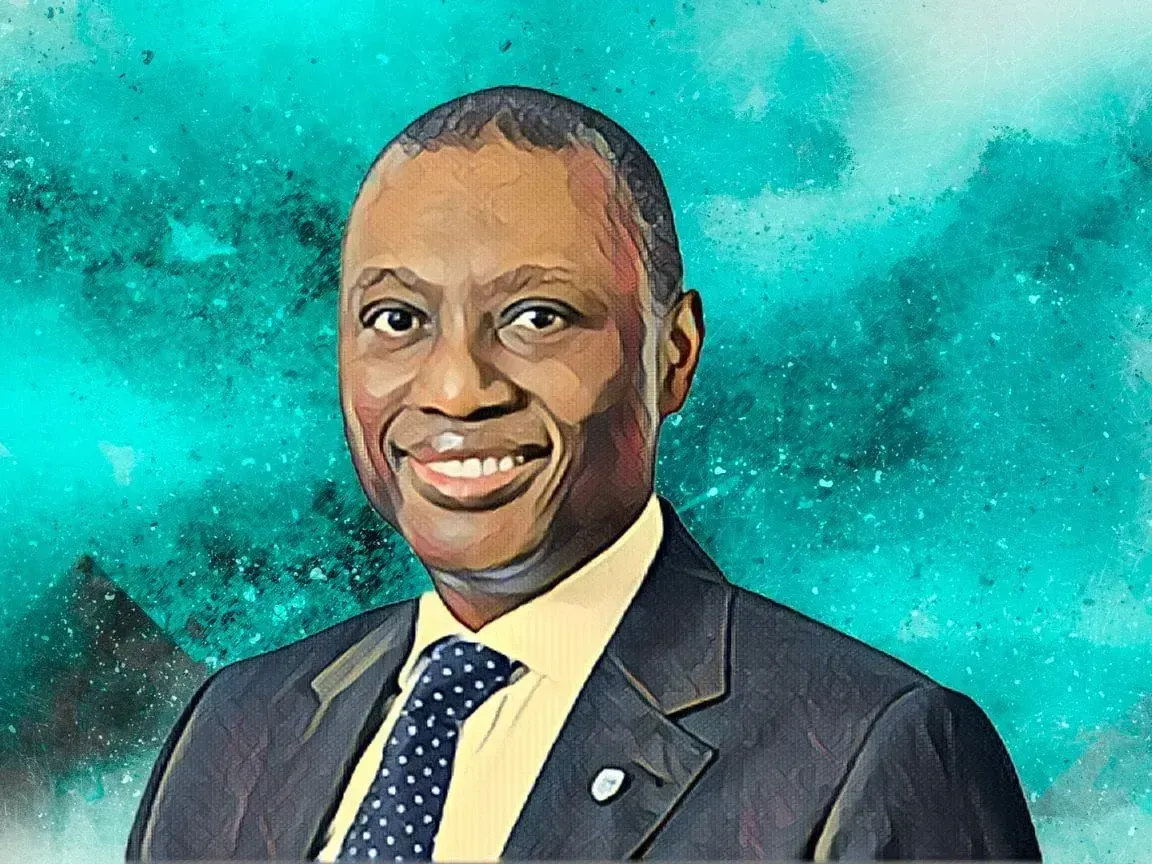
Sim Tshabalala, chief executive officer of Standard Bank Group, Africa's largest bank by assets, has issued a blunt warning: South Africa risks watching its remaining manufacturing industries collapse under a wave of cheap Chinese imports unless the country builds its own production capacity and starts negotiating harder deals with foreign partners.
Tshabalala made the remarks on the GIBS Business School's Fate, Luck, and Choice podcast, responding to a question about whether China's stated open-market policy toward African exporters would translate into real commercial opportunities for African manufacturers.
His answer was measured but unsparing. China's excess industrial capacity, he said, is being redirected into Africa, bringing both investment in local manufacturing such as motor vehicle assembly and a flood of cheap finished goods that domestic producers cannot compete with on price.
"The negative effect is that, unless Africans actively build their own manufacturing capacity, this surplus risks decimating entire domestic industries," Tshabalala said. "Look at what happened to South Africa's textile sector, and what could potentially happen to our broader manufacturing sector if South Africa doesn't play its cards right."
The textile sector reference is pointed. South African clothing retailers had spent years complaining that they were required to pay 45% import duties plus 15% VAT on competing products, while Chinese platforms including Temu and Shein exploited a flat 20% import tax loophole that gave them a structural price advantage. The South African Revenue Service moved to close that loophole, but the damage to local producers was already visible.
Electronics distributors raised parallel complaints, telling regulators that foreign goods arriving through the same channels often lacked required ICASA certificates and Letters of Authority from the National Regulator for Compulsory Specifications.
The Department of Trade, Industry and Competition proposed a pre-shipment verification regime in March that would have required Chinese exports destined for South Africa to obtain certification before leaving the country. That proposal was placed on hold after pushback from the World Trade Organization and consultations with the Chinese embassy.
Tshabalala acknowledged the consumer benefit of cheaper imports, pointing to the contrast between the price of used cars and affordable new Chinese vehicles now available in the market as evidence that the influx is keeping inflation in check. But he argued that the long-term cost to employment and industrial capacity outweighs the short-term relief.
His prescription was political as much as economic. Drawing on a line he attributed to Kwame Nkrumah, the first prime minister and president of an independent Ghana, Tshabalala said Africa must stop aligning itself with either Eastern or Western interests and focus instead on extracting maximum value from every foreign partnership.
"People expect us to do that, yet we frequently settle for transactional arrangements that don't serve Africans well," he said. "Whether dealing with the East or the West, we must extract the best possible deal."
Tshabalala said South Africa's resource base, which the rest of the world urgently needs for its own economic and energy transition, gives the continent real negotiating leverage. The question, he argued, is whether African governments choose to use it.
Infrastructure deals, he added, must be structured so that construction work flows to local contractors and capital reaches small and medium enterprises, not simply foreign firms operating on the continent under favorable terms.
Tshabalala is set to retire as Standard Bank CEO by the end of 2027, handing over a bank that posted record headline earnings of R49.2 billion in 2025 with a return on equity of 19.3%.
The intelligence satisfies curiosity. The paid briefings satisfy strategy.
Every Monday, Elite subscribers receive an Investor Memo breaking down the deal, the structure and the positioning behind the week's most consequential African wealth story - the kind of analysis that doesn't appear anywhere else.
Twice a month, a Wealth Intelligence brief profiles a single billionaire's holdings, cash flows and expansion pipeline in detail no public source matches.
→ Executive ($25/mo): Daily newsletter + Deep-Dive Reports
→ Elite ($75/mo): Everything above + Investor Memos + Wealth Intelligence + Quarterly Analyst Briefings
Subscribe now