


Table of Contents
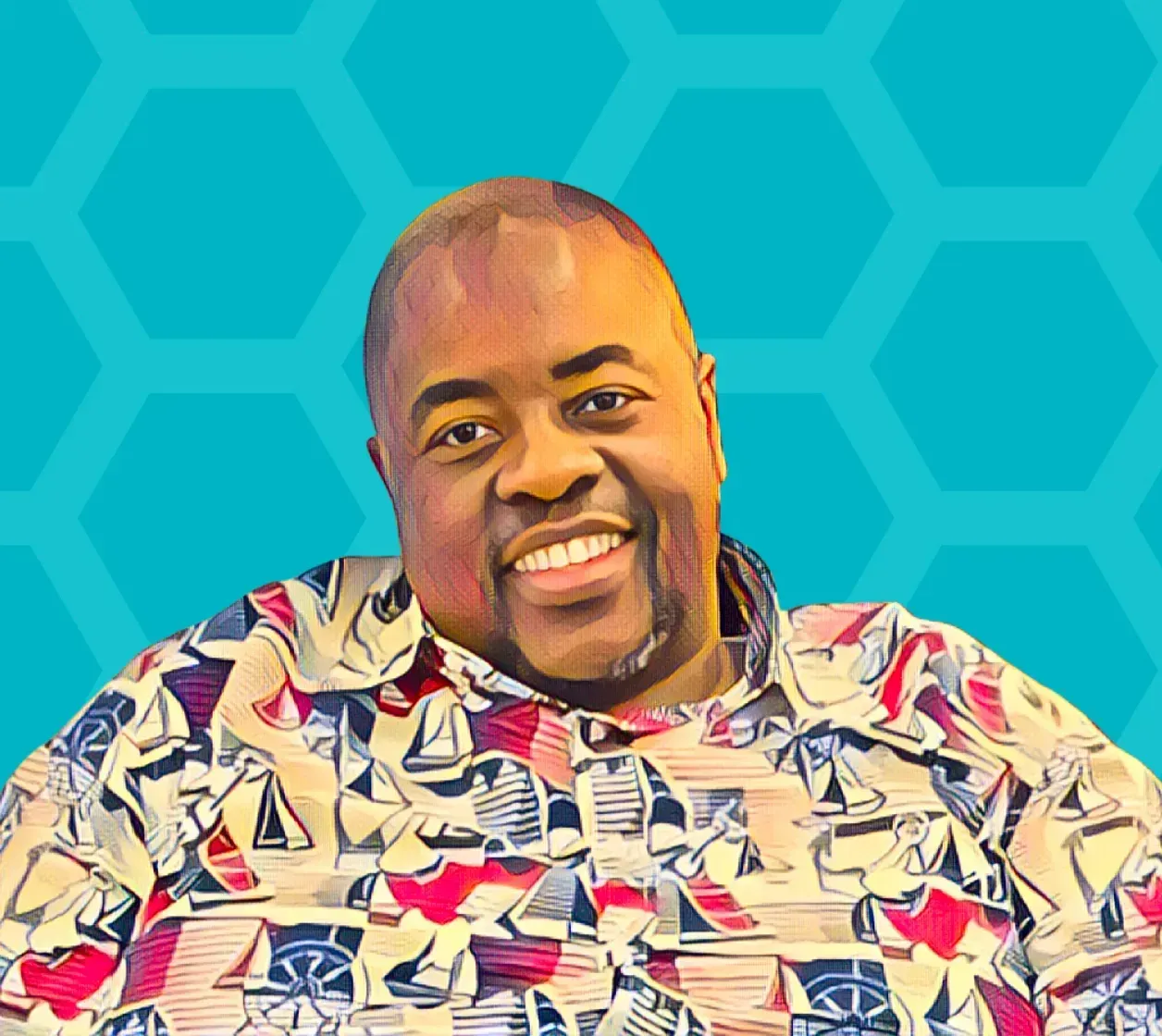
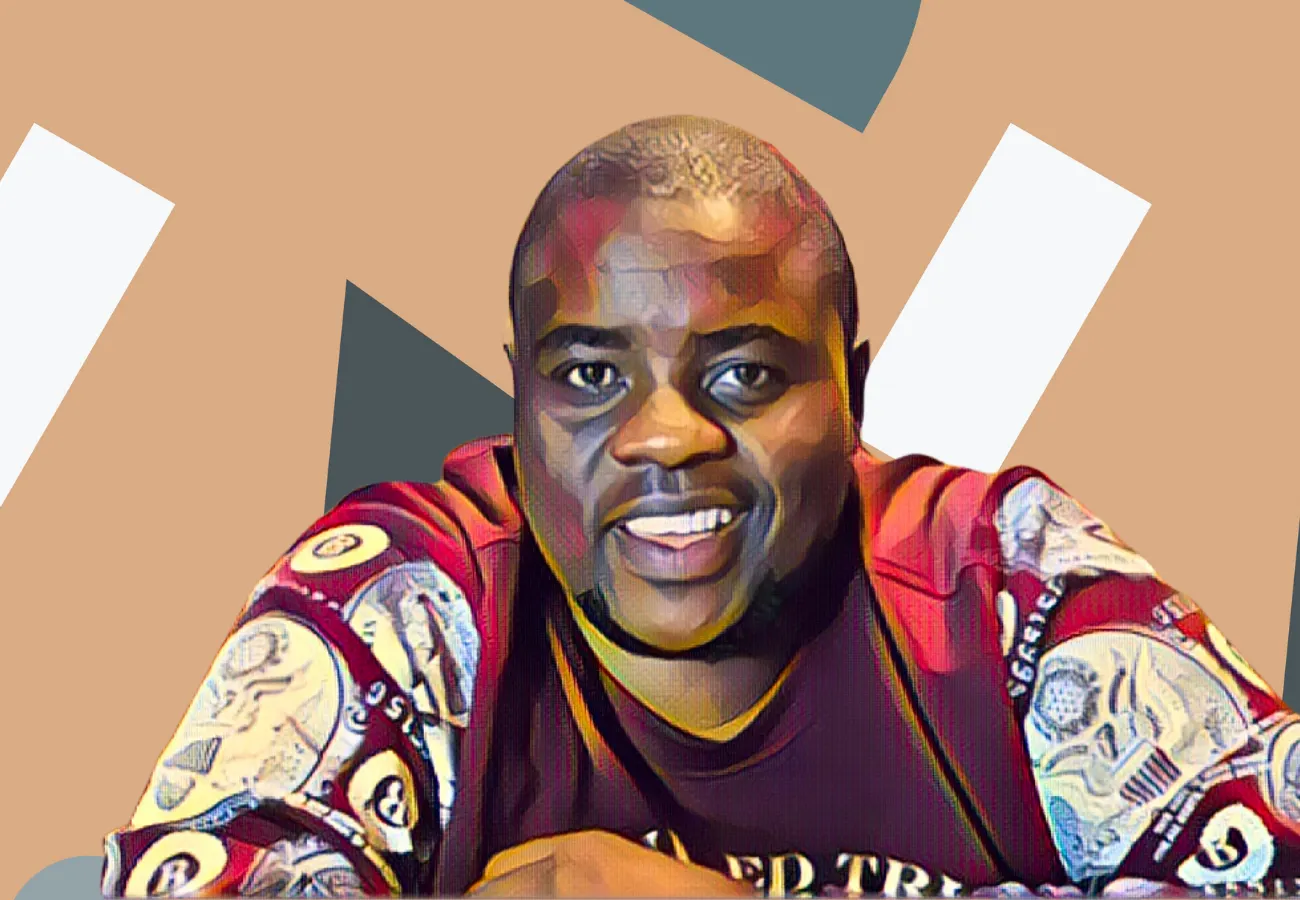
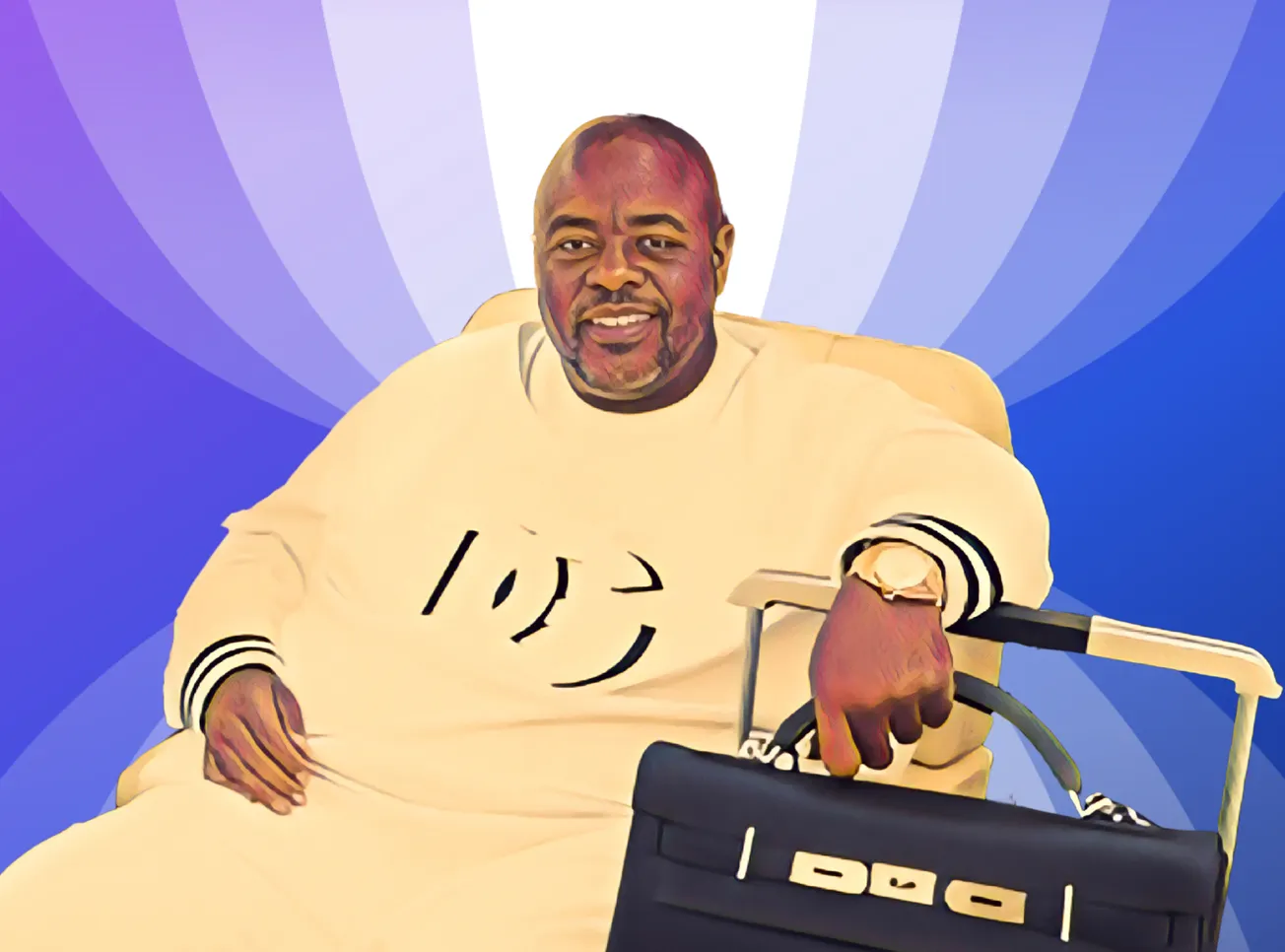
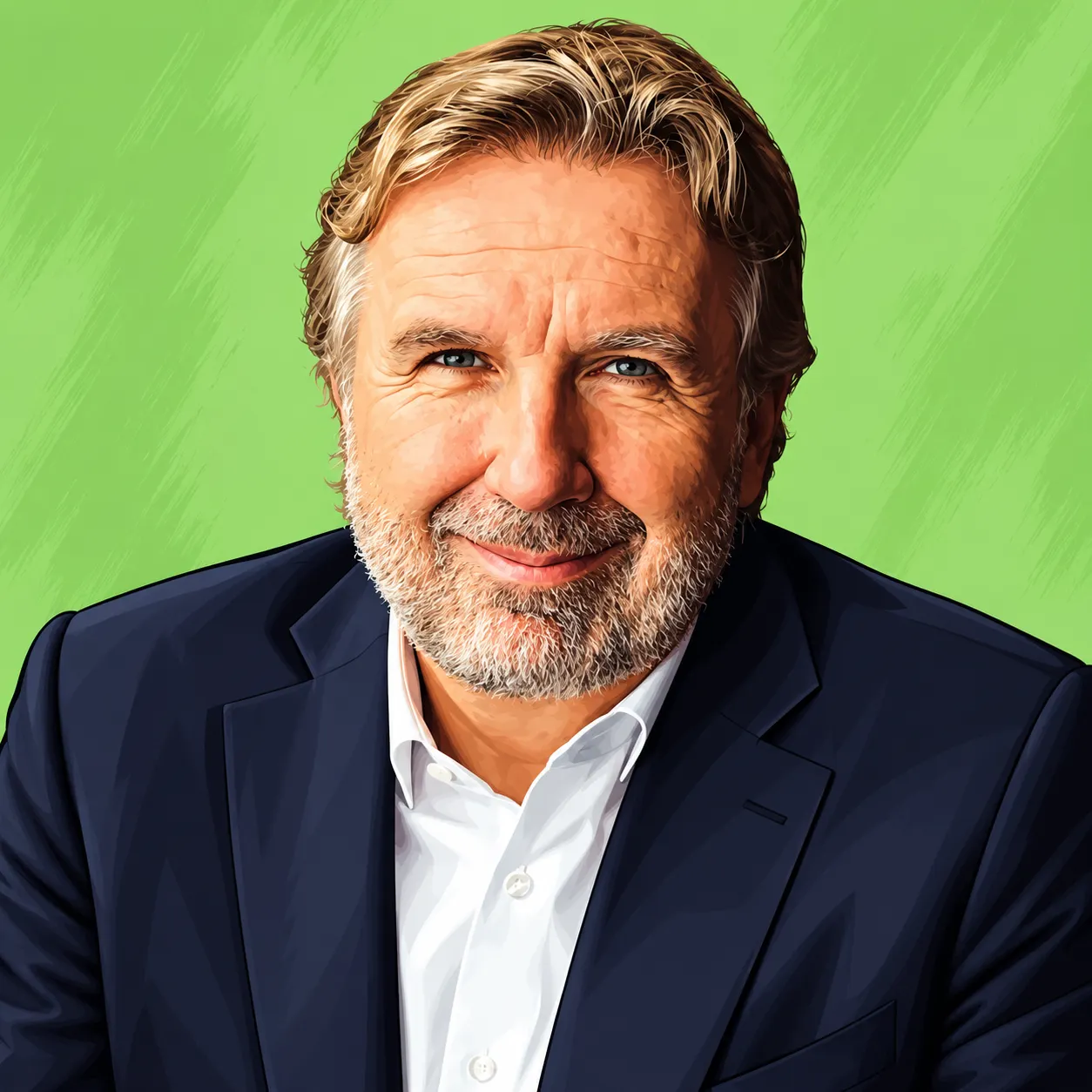
Wicknell Munodaani Chivayo, the Zimbabwean businessman who made a public spectacle of his wealth and became, by a distance, the most visible and most argued-over rich man in his country, died on Wednesday evening when the helicopter carrying him crashed in the Marondera Rural area, east of Harare. His wife, Lucy Muteke, whom he married in 2024 and called Lulu, died with him. There were no survivors. The Zimbabwe Republic Police confirmed the crash at around five o'clock and said the aircraft had six occupants; the government spokesman Nick Mangwana said seven people were aboard, including two pilots. The cause has not been established. His family spokesman, Herbert Chivayo, confirmed the deaths to the Zimbabwe Broadcasting Corporation, saying those closest to him were at a loss for words.
Most accounts give his date of birth as 22 November 1980, which made him 45. Some outlets reported 42 or 43. The uncertainty suits a man whose public life was documented in extraordinary detail and whose private record was argued over to the end.
He died three weeks after the Zimbabwean government issued his company a notice to proceed on the solar plant that had defined, and dogged, his career for eleven years.
Chivhu
He was born in Chivhu, in the Zimbabwean midlands, and his childhood was marked early by loss: his father, Isaac Mathias Chivayo, was killed in a car accident when the boy was around ten, and he was raised by his mother. The detail matters because of what he later did with money. A great deal of his adult spending went on public, filmed, almost compulsive generosity, and it is hard not to read the boy from Chivhu into it.
What came next is the part of the record that admirers tended to skip and critics never did. In 2004, at 24, Chivayo was convicted of fraud, in a case reported as involving around 837,000 rand and a South African man he had persuaded he could multiply money. He was sentenced to three years and served time at Chikurubi Maximum Security Prison, emerging in about 2006.
He did not hide from it, and could not have: he built the rest of his life in front of a camera, and the conviction travelled with him into every boardroom and every state house he entered. It is the first thing his detractors cited, and the only thing that could ever be said against him with the certainty of a court's finding.
Intratrek
After prison he founded Intratrek Zimbabwe, an engineering, procurement and construction company that positioned itself in energy and infrastructure at exactly the moment Zimbabwe's power system was failing. The country has spent two decades short of generation capacity, and anyone who could credibly promise megawatts had a hearing at the highest level. Chivayo promised, and he was heard.
In 2015 Intratrek was awarded a contract, valued at roughly 172 to 173 million dollars, to build a 100-megawatt solar plant at Gwanda for the state-owned Zimbabwe Power Company. ZimLive has reported that his companies won Zimbabwean state contracts worth close to a billion dollars in total, including 163 million dollars to refurbish the Munyati Power Station and 131 million for the Gairezi hydroelectric project.
The Gwanda contract became the central fact of his career, and not for the reason he intended. Intratrek received an advance of about 5.6 million dollars from the Zimbabwe Power Company. By 2017 Chivayo was publicly acknowledging that work had not commenced. The plant was never built.
What followed ran for the better part of a decade. He was arrested in August 2018 and charged with fraud, money laundering and contravening the Exchange Control Act over the advance. The High Court found in his favour; the Supreme Court reversed that ruling and ordered him to stand trial. At the magistrates court he was acquitted, in proceedings reported variously as concluding in 2023 and 2024, with accounts of the reasoning differing between an unreasonable delay in prosecution and a failure by the state to establish a prima facie case. The acquittal is the legal fact. The empty site is the other one, and Zimbabwe never reconciled the two.
Then, on 10 September 2026, the government issued Intratrek a notice to proceed under a restated agreement, at a revised cost reported below 132 million dollars, with 24 months to complete the plant. He had three weeks to enjoy it.
The cars
What made him famous was not the contracts. It was what he did with the money.
Chivayo gave away luxury vehicles, houses and large sums of cash to musicians, church leaders, footballers, journalists, soldiers and police officers, and he filmed almost all of it. A Zimbabwean media investigation reported that he spent more than 9.3 million dollars on luxury cars and gifts within a single twelve-month period. The musicians Jah Prayzah, Sulumani Chimbetu, Sandra Ndebele, Tocky Vibes and the producer DJ Fantan were among the recipients. So were bishops, lawyers and, on one occasion widely reported shortly before his death, his children's school friends.
To his admirers this was a man from Chivhu who had made it and refused to pull the ladder up, paying artists what a country in permanent hard-currency shortage never had. To his critics it was something else: the laundering of political capital, in which public money returned to the public as a gift with a face attached to it. The journalist Hopewell Chin'ono and the opposition Citizens Coalition for Change both argued, in terms, that the generosity and the state contracts were the same transaction viewed from two ends. Chivayo rejected that, and no court ever found it.
He understood, better than any African businessman of his generation, that a Mercedes handed over on camera buys something a bank transfer cannot. He was, quite literally, the first Zimbabwean tycoon to work as a content creator, posting the cars, the jets, the houses, the meetings with heads of state, under the name Sir Wicknell. The nickname was his own invention and he wore it without irony.
The giving, beyond the cars
The cars were the part that travelled. The rest of it was larger and less photogenic, and any fair account has to set it down.
He pledged ten ambulances, each put at about 90,000 dollars, to government hospitals in all ten of Zimbabwe's provincial capitals, and his company donated an ambulance to Chivhu General Hospital in the district he came from. He gave a reported million dollars to the Zion Christian Church, ten buses and two trucks to the Johane Masowe eChishanu church, and support to congregations in Bulawayo and Mutare. He put 250,000 dollars behind the Warriors, Zimbabwe's national football team, on qualification for the Africa Cup of Nations, and backed clubs and sporting bodies besides. He gave 20,000 dollars and a truck to Simon Pashoma Ncube, a retired broadcaster.
A school dropout's reckoning with education ran through the last years. He gave buses to Dudley Hall Primary, the school he had attended, and to John Landa Nkomo High, in handovers the government took part in, and extended the programme into school transport, buildings, accommodation and then scholarships and tertiary fees, in a body of giving one Kenyan outlet tallied this week at about 312 million Kenyan shillings, roughly 2.4 million dollars. The ranking publication Fortune Afrika placed him among the continent's leading philanthropists for 2024, placing his giving that year at around 60 million dollars, second only to Tony Elumelu, a figure that should be read as the publication's estimate rather than an audited one. And he paid hospital bills for cancer patients privately while posting photographs of Rolls-Royces publicly, which is as neat a summary of the contradiction as anyone has managed.
His method had no foundation behind it, no endowment, no application process and no impact report. Money went directly to people, often in cash, usually fast, and almost always announced by him. Admirers called that a virtue in a country where institutional help arrives late or not at all.
Critics called it something else. When he donated the ambulances to mark President Mnangagwa's 83rd birthday, Zimbabwean commentators responded that the country did not want his donations and wanted the money returned instead, arguing that a man associated with contracts worth hundreds of millions could not restore a collapsed health system with a fleet of vans and a photograph. That argument was never settled, and both halves of it were sincerely held.
The questions that never closed
Scrutiny followed him constantly, and little of it ended in a finding.
In 2024, leaked documents and voice recordings linked Chivayo to the supply of election materials to the Zimbabwe Electoral Commission through Ren-Form, a South African printing company, in an arrangement reported at around 100 million dollars and under which the commission paid Ren-Form at least 570 million rand. Reporting alleged that items had been overpriced by as much as 235 per cent. Ren-Form denied wrongdoing. His associates Mike Chimombe and Moses Mpofu were summoned, charged in separate matters and held in remand; Chivayo was not. The Zimbabwe Anti-Corruption Commission announced in December 2025 that it had found no evidence directly implicating him in the transaction.
The pattern was clearest in the collecting of heads of state. Over the last two years of his life Chivayo was photographed with, and publicly associated with, President William Ruto of Kenya, President Samia Suluhu Hassan of Tanzania, whom he visited in Dar es Salaam as part of a regional energy push that took him through half a dozen capitals, President Cyril Ramaphosa of South Africa, President Yoweri Museveni of Uganda, President Bola Tinubu of Nigeria, President Hakainde Hichilema of Zambia, President Daniel Chapo of Mozambique and Malawi's leadership, and he posted all of it. In 2026 footage of Ruto personally driving Chivayo and his wife drew a round of commentary in Kenya about how a Zimbabwean businessman with a fraud conviction had acquired that kind of access.
The most striking of those relationships was with a monarch. On 18 June 2026, after a private audience at the royal palace in Eswatini facilitated by Prince Lindani, King Mswati III granted Chivayo Eswatini citizenship and a diplomatic passport. The kingdom's government confirmed the grant, saying it recognised his philanthropic work in Zimbabwe and across the continent and his support for socio-economic development in Eswatini. Chivayo announced it himself, with photographs of the passport, and called the meeting among the most significant of his career. Within days he pledged 3 billion rand, about 163 million dollars, through his Mauritius-registered Intratrek Holdings, towards a 300-megawatt solar project in the kingdom as an independent power producer.
That sequence is the whole of him in miniature: a private audience, a diplomatic passport, a nine-figure pledge announced before anything was built, and a photograph of all three. The Eswatini plant, like the Gwanda plant, did not exist when he died.
He was openly aligned with ZANU-PF and with President Emmerson Mnangagwa, and in January 2025 he publicly attacked the acting president, Constantino Chiwenga, an act of political daring that would have ended most careers and did not appear to dent his. In June 2026 his IMC Construction Kenya secured a stake in the proposed 2.9 billion dollar expansion of Jomo Kenyatta International Airport, a development that prompted the Kenyan state to distance itself publicly from him and generated its own round of questions. On Thursday Ruto wrote that he was deeply saddened by the death of his friend, praising his warmth and his conviction in Africa's potential.
That was his life's pattern: proximity to power in several countries at once, deals announced before they were delivered, and allegations that were serious and specific and repeatedly stopped short of a verdict.
In person
The persona was loud. The man, by most accounts of those who dealt with him, was not. People who met Chivayo in private describe someone kind, gentle and measured: soft-spoken in a room, courteous to staff and strangers, slow to take offence, quick to pick up a bill without making a performance of it, and a better listener than talker when the cameras were off. Those who received his help privately have often said that the quiet giving and the filmed giving were two different things, and that the man who turned up was the quiet one.
That gap, between the character people encountered and the figure he constructed online, is one of the genuinely interesting things about him, and it is the part no court record captures. His harshest critics in Zimbabwe tended to attack the persona and the contracts. Very few of them, over a decade of argument, attacked the man they had met.
What he was
Any honest account of Wicknell Chivayo has to hold two things at the same time, and most accounts published this week have managed only one.
He was a man who went to prison for fraud at 24 and built, from nothing, a company that was awarded hundreds of millions of dollars of his country's infrastructure work. The flagship of that work, eleven years on, was a field with no solar panels in it, and the advance that paid for its absence was never satisfactorily explained to the public, whatever the courts eventually concluded. For a country where the lights go off daily, that is not an abstraction, and no quantity of gifted Mercedes-Benzes settles it.
He was also a man of real charm and real nerve, who was acquitted in the cases brought against him, who was cleared by the anti-corruption commission in the Ren-Form matter, and who was entitled to the presumption that the law's conclusions mean what they say. He gave away a great deal of money to people who had none, and some of them say it changed their lives. He was generous to a fault and public about all of it, which is not the behaviour of a man who believed he had something to hide.
Zimbabwe has spent this week arguing about which of those men died on Wednesday, and it will go on arguing. The argument is his real legacy, and he would have enjoyed it enormously.
He is survived by his children. His wife, Lucy Muteke, died beside him.
Reporting as at 1 October 2026. Criminal and regulatory matters are reported as matters of public record and attributed to their sources. Mr Chivayo was convicted in 2004 and served a sentence; he was acquitted in the Gwanda proceedings and was cleared by the Zimbabwe Anti-Corruption Commission in relation to the election-materials matter. Allegations described here are contested, were never tested to a verdict, and should not be read as findings. Ren-Form denies wrongdoing. Parties not accused of wrongdoing are not implicated. Figures are as reported by the sources named and vary between them. Accounts of the number of people aboard the aircraft differ, and the cause of the crash has not been established.
The intelligence satisfies curiosity. The paid briefings satisfy strategy.
Every Monday, Elite subscribers receive an Investor Memo breaking down the deal, the structure and the positioning behind the week's most consequential African wealth story - the kind of analysis that doesn't appear anywhere else.
Twice a month, a Wealth Intelligence brief profiles a single billionaire's holdings, cash flows and expansion pipeline in detail no public source matches.
→ Executive ($25/mo): Daily newsletter + Deep-Dive Reports
→ Elite ($75/mo): Everything above + Investor Memos + Wealth Intelligence + Quarterly Analyst Briefings
Subscribe now