

Table of Contents
Vodacom Group has named the successor to chairman Saki Macozoma nearly a year before he leaves, and appointed the former chief executive of its biggest African rival to the board.
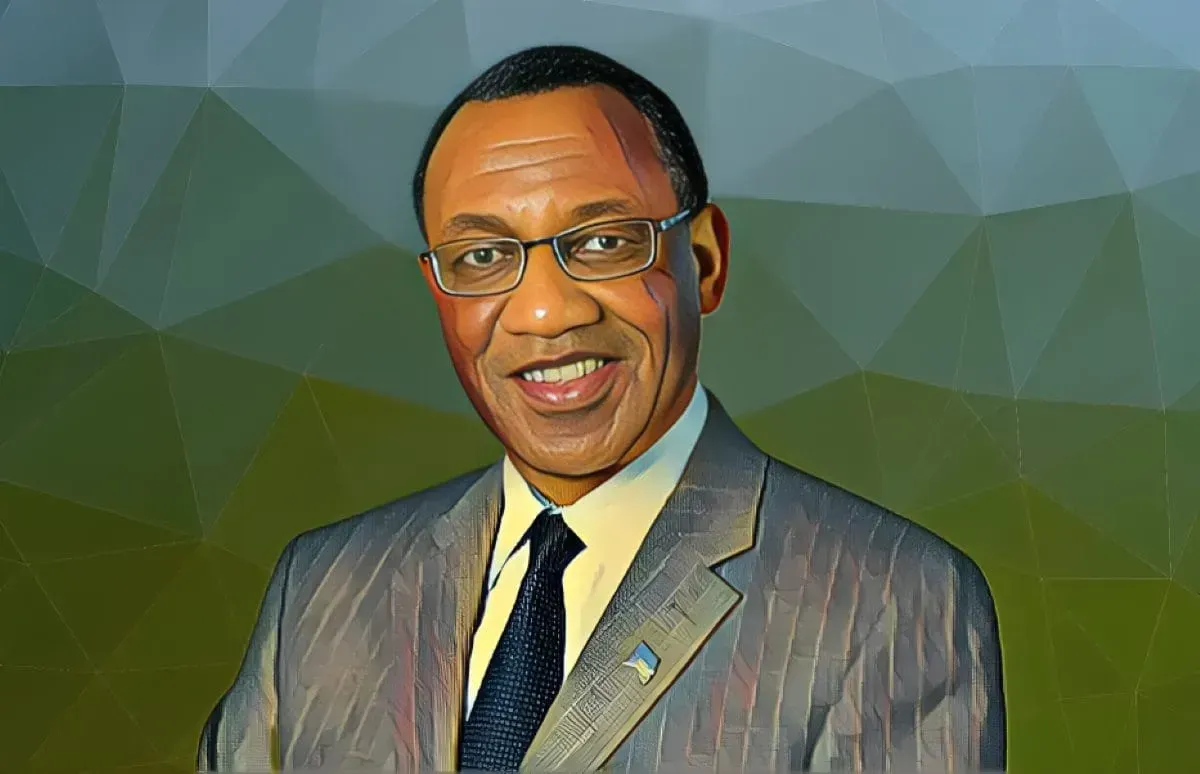
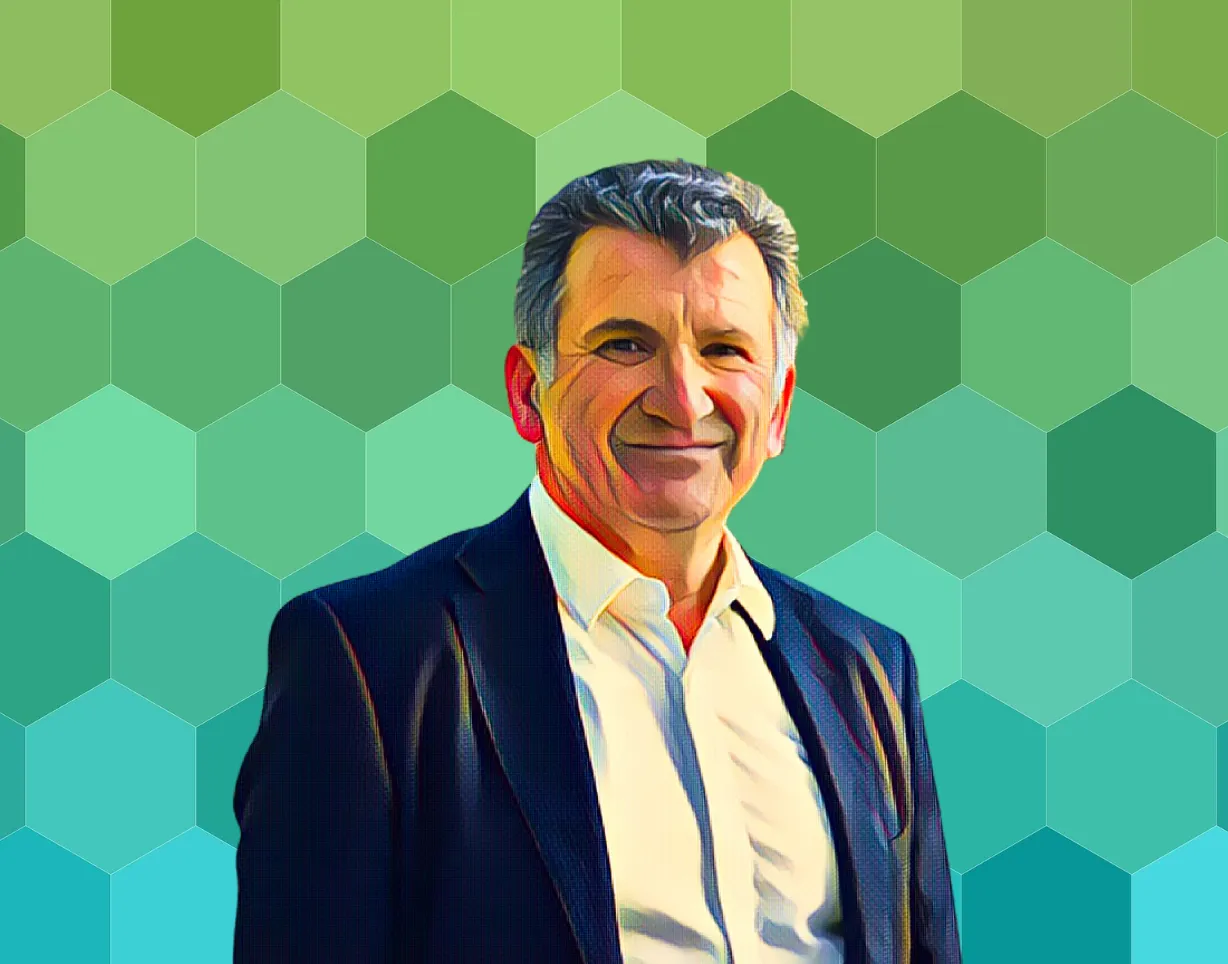
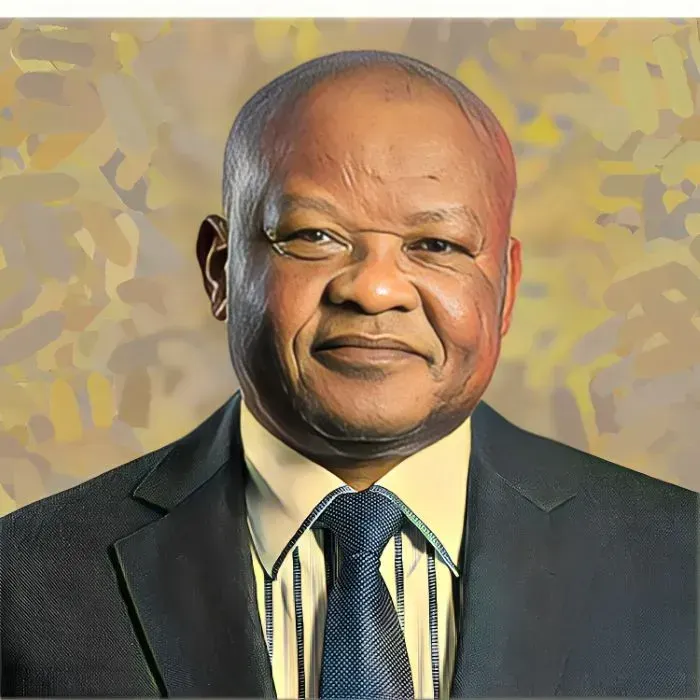
Macozoma will retire and step down at the group's annual general meeting on July 20, 2027, having joined the board in July 2017, in line with a self-imposed 10-year tenure limit for directors. Khumo Shuenyane, currently lead independent director, takes over as chairman the following day.
The company set out the changes in a notice published on the Johannesburg Stock Exchange news service on Wednesday.
Shuenyane is a finance and investment executive who has served as a non-executive director at the asset manager Ninety One since August 2021. Vodacom praised Macozoma's decade in the chair, crediting him with overseeing implementation of the Vision 2025 strategy and the start of Vision 2030.
"The board thanks Saki for his valuable leadership and significant contribution to Vodacom since 2017," the company said.
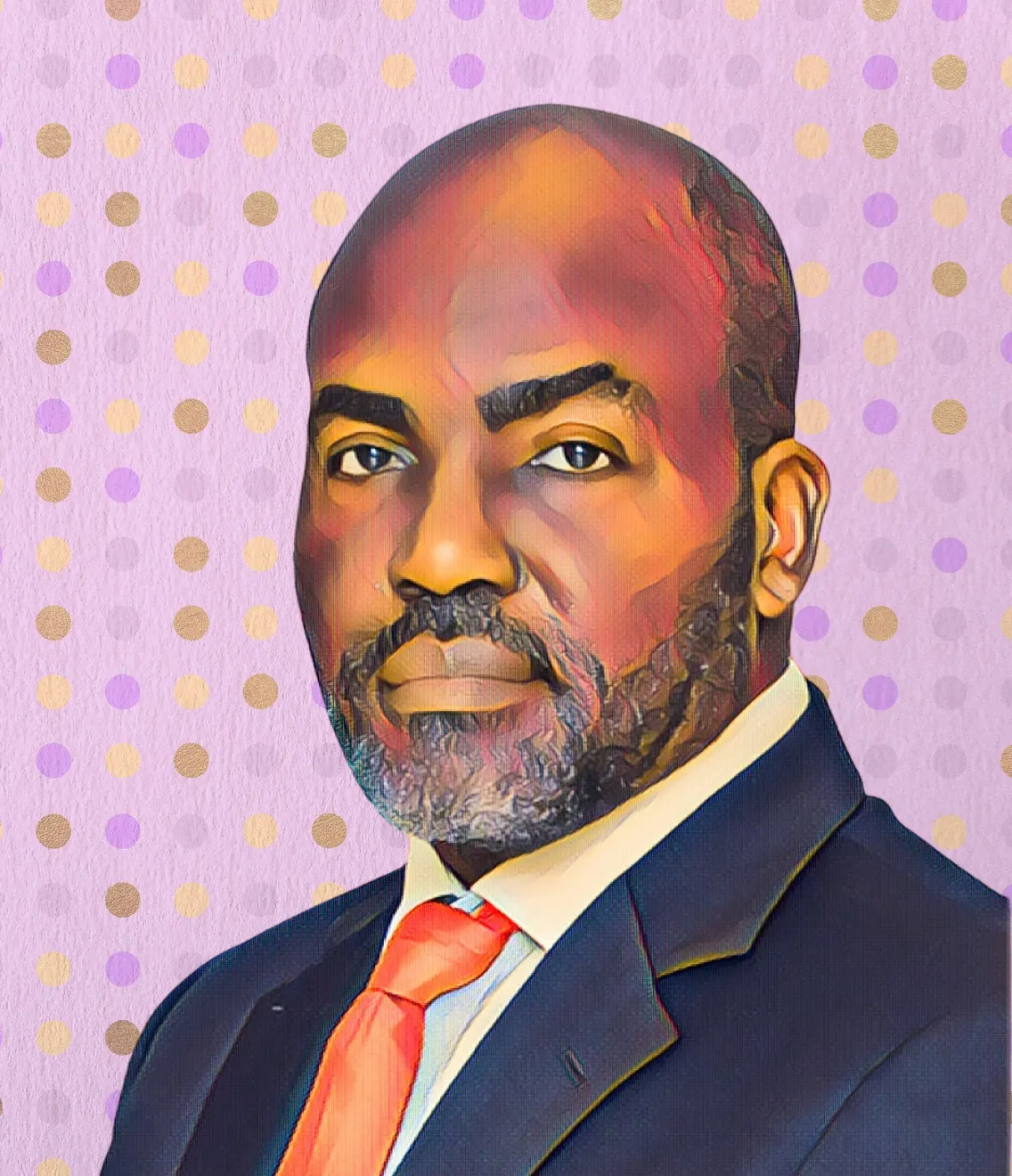
The more unusual appointment sits further down the notice. Segun Ogunsanya joins as an independent non-executive director on Oct. 9, bringing to Vodacom's boardroom a decade of experience running the operator it competes against directly across three markets.
Ogunsanya was group chief executive of Airtel Africa from October 2021 until his retirement in 2024, capping 12 years at the company, nine of them heading its Nigerian business. Airtel Africa serves roughly 190 million customers across 14 African countries and competes with Vodacom in Tanzania, the Democratic Republic of Congo and Mozambique. Nigeria, Airtel's largest market, is one Vodacom has never entered at scale.
He previously served as group head at Ecobank Transnational, overseeing retail banking across 28 African countries, and holds a degree in electrical and electronic engineering from the University of Ife, now Obafemi Awolowo University. Vodacom said he brings more than 35 years of leadership across finance, banking, fast-moving consumer goods, telecommunications and corporate governance.
The appointment lands as Vodacom pushes further beyond connectivity into financial services and digital businesses, the same territory Airtel built out through Airtel Money during Ogunsanya's tenure. He told shareholders at Optasia on July 31 that he would resign as an independent non-executive director there and leave its audit committee from Sept. 1, five weeks before taking his Vodacom seat.
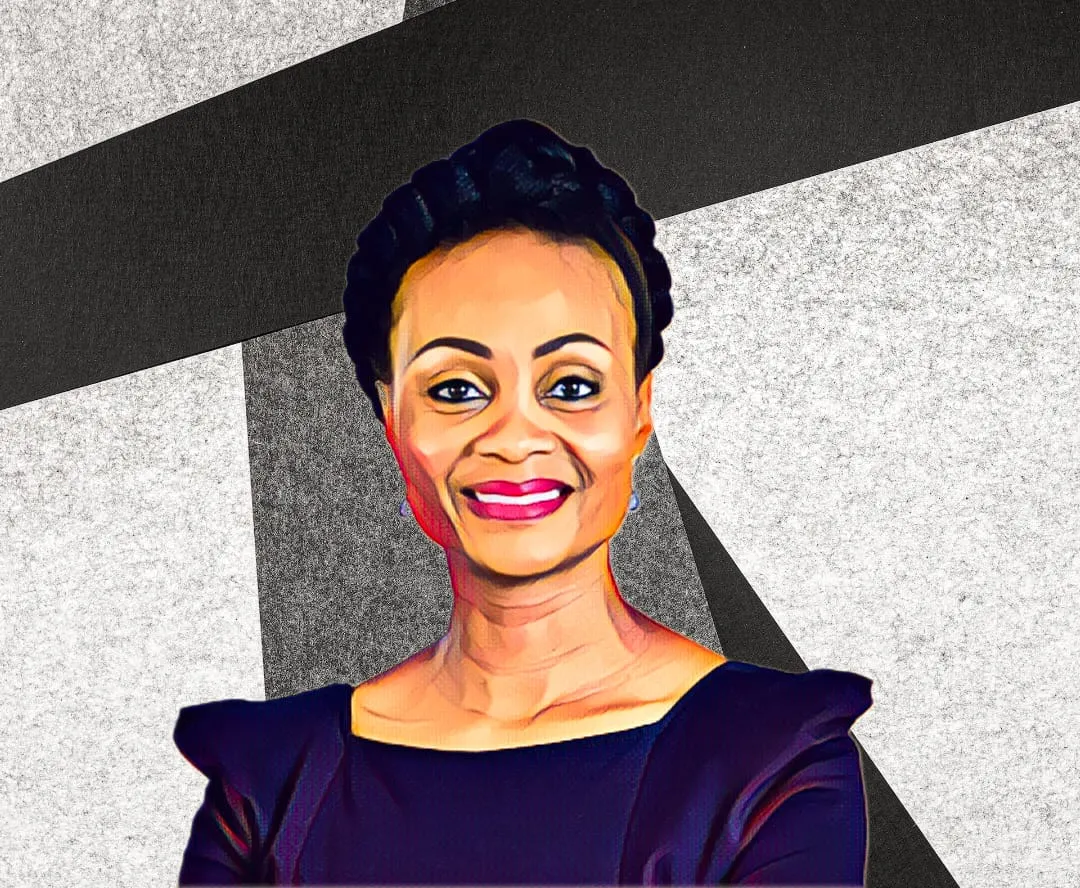
Ogunsanya replaces Phuthi Mahanyele-Dabengwa, chief executive of Naspers South Africa, who retires from the Vodacom board on Oct. 8 after joining in January 2019. She chaired the remuneration committee and sat on the nomination committee. Clive Thomson takes over the remuneration committee from Oct. 9 while remaining chairman of the audit, risk and compliance committee. Vodacom said further committee changes would be announced later.
Macozoma leaves the Vodacom chair with business interests that run well beyond telecommunications.
He chairs Safika Holdings, the investment company founded by Moss Ngoasheng and Vuli Cuba in 1995, which he joined as deputy chairman and which became one of the most active black economic empowerment vehicles in South African corporate finance. He also chairs Tshipi é Ntle Manganese Mining and Ntsimbintle Mining, and sits as a director of Volkswagen South Africa. Billionaires.Africa valued his shareholding in the Tshipi Borwa manganese mine at $125.1 million in July 2023.
Macozoma was born in Kwazakhele, Port Elizabeth, now Gqeberha, in 1957, and became an organiser for the South African Students Movement in the mid-1970s. He was arrested at 19 for leading a student protest and served five years as a political prisoner on Robben Island, where he met Nelson Mandela, who became his mentor. He helped form the United Democratic Front and the Mass Democratic Movement after his release, and studied political science, economics and journalism at the University of South Africa and Boston University.
He entered Parliament as an ANC member in 1994 and chaired the portfolio committee on communications, joining the party's national working committee the following year. He resigned in April 1996 to become the first black managing director of Transnet, the state company running South Africa's ports and rail network, and also chaired South African Airways during that period.
His move into private business followed in 2001, when he left Transnet to become chief executive of New Africa Investments Limited, a listed investment company with holdings across radio, outdoor media and car rental. He had joined the Standard Bank board in 1998 and later served as its deputy chairman, and helped secure Safika's role in the 5.4 billion rand black economic empowerment transaction between Standard Bank and Liberty in 2004, among the largest such deals South Africa has seen.
The University of South Africa awarded him its highest honour, the Calabash award, in 2012, alongside its first Robben Island alumnus award.
The intelligence satisfies curiosity. The paid briefings satisfy strategy.
Every Monday, Elite subscribers receive an Investor Memo breaking down the deal, the structure and the positioning behind the week's most consequential African wealth story - the kind of analysis that doesn't appear anywhere else.
Twice a month, a Wealth Intelligence brief profiles a single billionaire's holdings, cash flows and expansion pipeline in detail no public source matches.
→ Executive ($25/mo): Daily newsletter + Deep-Dive Reports
→ Elite ($75/mo): Everything above + Investor Memos + Wealth Intelligence + Quarterly Analyst Briefings
Subscribe now