

Table of Contents
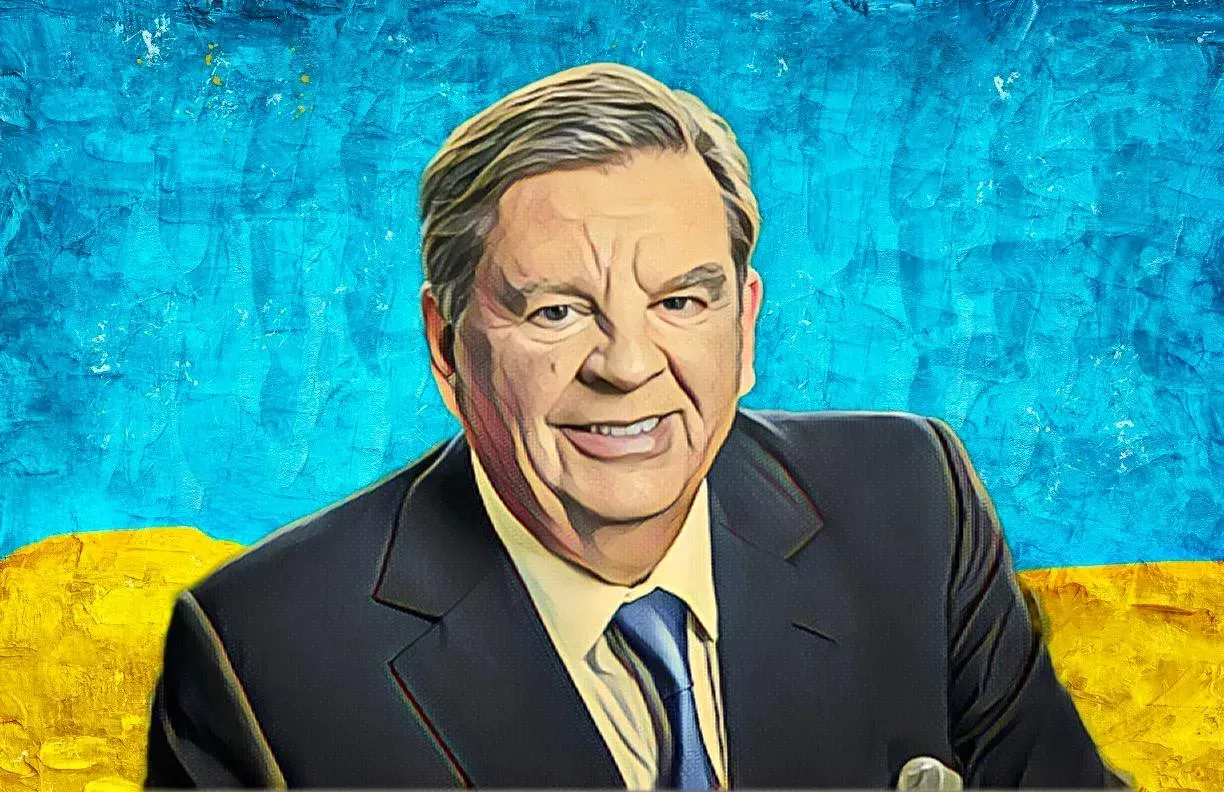
Johann Rupert has recapitalised a South African land titling project that has transferred more than 21,000 municipal properties into the names of the people living in them, at a cost of R3,750, about $231, a household.
The Free Market Foundation launched Khaya Lam in 2010 to convert municipal housing in poorer areas into freehold ownership. It works with municipalities, conveyancers and private sponsors to issue title deeds to residents, with sponsors covering the conveyancing cost so that recipients pay nothing.
Ayanda Zulu, a policy officer at the foundation, said Rupert made a significant donation in 2019 that enabled many of the transfers completed since, and has more recently recapitalised the project.
The foundation says the transfers have unlocked R3.15 billion in dead capital, about $194.3 million at R16.21 to the dollar, by turning occupancy into an asset that can be leased, sold, improved or pledged as security for a loan.
Zulu credited a group of backers rather than Rupert alone.
"The Free Market Foundation is indebted to Rupert and the financial institutions, private companies, and charitable foundations who supported the project," he said. "Their support is a reminder that meaningful land reform is not the exclusive preserve of the state. It can also be realised through private partnerships that expand secure property ownership."
That framing places the project inside one of the most contested policy debates in South Africa. Land reform has been a central political question since 1994, with the state pursuing restitution and redistribution while the Free Market Foundation, a free-market think tank, has argued that formalising existing occupancy delivers faster results at lower cost.
Neither Rupert nor the foundation has disclosed the size of his donations.
The mechanics of the problem the project addresses are administrative rather than ideological. Millions of South Africans live in homes allocated to them by municipalities without ever receiving a registered title deed, which leaves them unable to sell, bequeath or borrow against a property they occupy lawfully and often have done for decades. Conveyancing costs and municipal record-keeping have been the practical obstacles.
Rupert is the wealthiest person in South Africa and among the wealthiest in Africa. The Bloomberg Billionaires Index tracked his fortune at $19.9 billion on June 15, its highest recorded level, driven by a rally in Richemont, the Swiss luxury group he chairs and controls through the family holding company Compagnie Financière Rupert. He holds a 10.18 percent economic stake in Richemont and 51 percent of its voting rights. Forbes Africa carries a lower figure of $16.1 billion.
His other interests run through Remgro, the South African investment holding company his father Anton Rupert founded, and Reinet Investments, the Luxembourg-listed vehicle that reported net asset value of about R127.8 billion, some $7.9 billion, at the end of March.
Rupert is not the only member of the group often labelled the Stellenbosch Mafia involved in Khaya Lam. Christo Wiese, the Shoprite and former Steinhoff shareholder, is also a backer of the project. Wiese told the ninth BizNews Conference this month that the group holds no control over the South African economy, and dismissed white monopoly capital as a slogan nobody has been able to explain to him.
The intelligence satisfies curiosity. The paid briefings satisfy strategy.
Every Monday, Elite subscribers receive an Investor Memo breaking down the deal, the structure and the positioning behind the week's most consequential African wealth story - the kind of analysis that doesn't appear anywhere else.
Twice a month, a Wealth Intelligence brief profiles a single billionaire's holdings, cash flows and expansion pipeline in detail no public source matches.
→ Executive ($25/mo): Daily newsletter + Deep-Dive Reports
→ Elite ($75/mo): Everything above + Investor Memos + Wealth Intelligence + Quarterly Analyst Briefings
Subscribe now