

Table of Contents
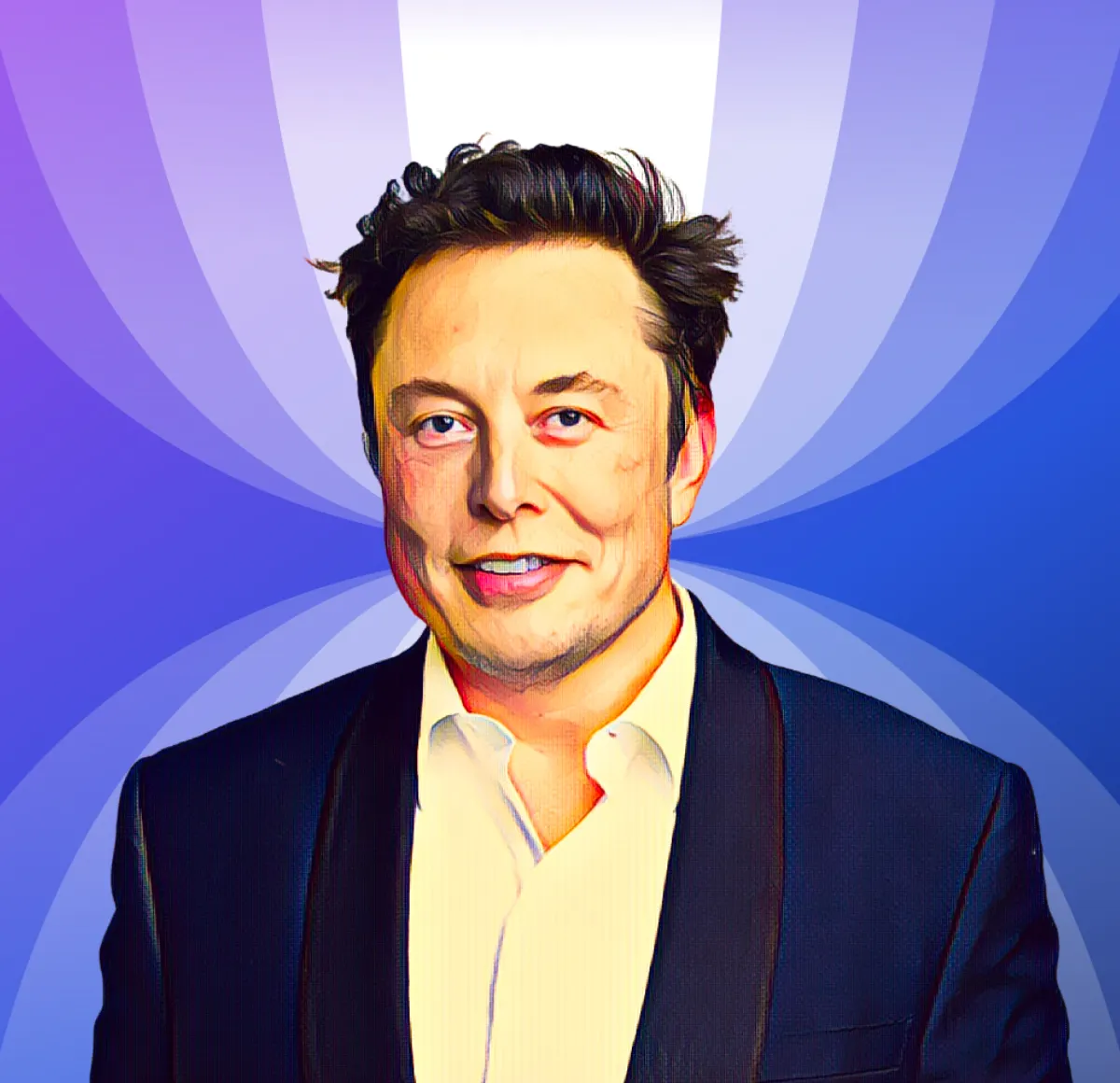
Tesla, SpaceX and Intel are building a semiconductor plant in Grimes County, Texas, that will cover 100 million square feet, with a first phase costing $16.8 billion and a full build-out that could reach $119 billion.
The joint venture, called Terafab, is designed to produce one terawatt of compute, a figure SpaceX says exceeds current global supply.
Both of Elon Musk's companies have run into the same constraint. Tesla needs chips for its vehicles and for the Optimus humanoid robots it is developing, and SpaceX needs them for artificial intelligence compute and data centres, including the orbital facilities it has proposed. Musk has argued that existing suppliers cannot produce enough silicon to meet Tesla's demand alone, let alone SpaceX's.
Tesla currently runs its AI4 chip in electric vehicles and will use AI5 in Optimus and its data centres, with a further generation, AI6, already planned for the same applications. Samsung manufactures AI4 and is contracted for AI5 and AI6, while Taiwan Semiconductor Manufacturing Company will also produce AI5. Terafab would add capacity beyond those arrangements.
The venture addresses more than volume. Shifting production to Texas reduces exposure to Taiwan, where most advanced chips are made and where China's territorial claims present a persistent risk to supply. Manufacturing in-house would also capture margins that currently accrue to suppliers, with TSMC operating near 60 percent at the operating line, and give the companies control over timing, specification and the ability to design custom silicon.
The obstacles are substantial. Semiconductor fabrication is among the most capital-intensive and technically demanding forms of manufacturing, and neither Tesla nor SpaceX has built chips before. The two companies also need commercial agreements setting out who owns what at Terafab and who pays for it, an unresolved question that some investors read as an argument for merging them, according to analysis published by The Motley Fool.
The scale of the project reflects how much has changed at both companies this year. SpaceX listed on Nasdaq in June in the largest flotation on record, raising about $106 billion, and Musk holds 6.42 billion shares representing a 48.4 percent economic interest and more than 82 percent of the voting power. That listing made him the first person on paper worth a trillion dollars. Tesla's market capitalisation slipped below $1.5 trillion this week.
The intelligence satisfies curiosity. The paid briefings satisfy strategy.
Every Monday, Elite subscribers receive an Investor Memo breaking down the deal, the structure and the positioning behind the week's most consequential African wealth story — the kind of analysis that doesn't appear anywhere else.
Twice a month, a Wealth Intelligence brief profiles a single billionaire's holdings, cash flows and expansion pipeline in detail no public source matches.
→ Executive ($25/mo): Daily newsletter + Deep-Dive Reports
→ Elite ($75/mo): Everything above + Investor Memos + Wealth Intelligence + Quarterly Analyst Briefings
Subscribe now