

Table of Contents
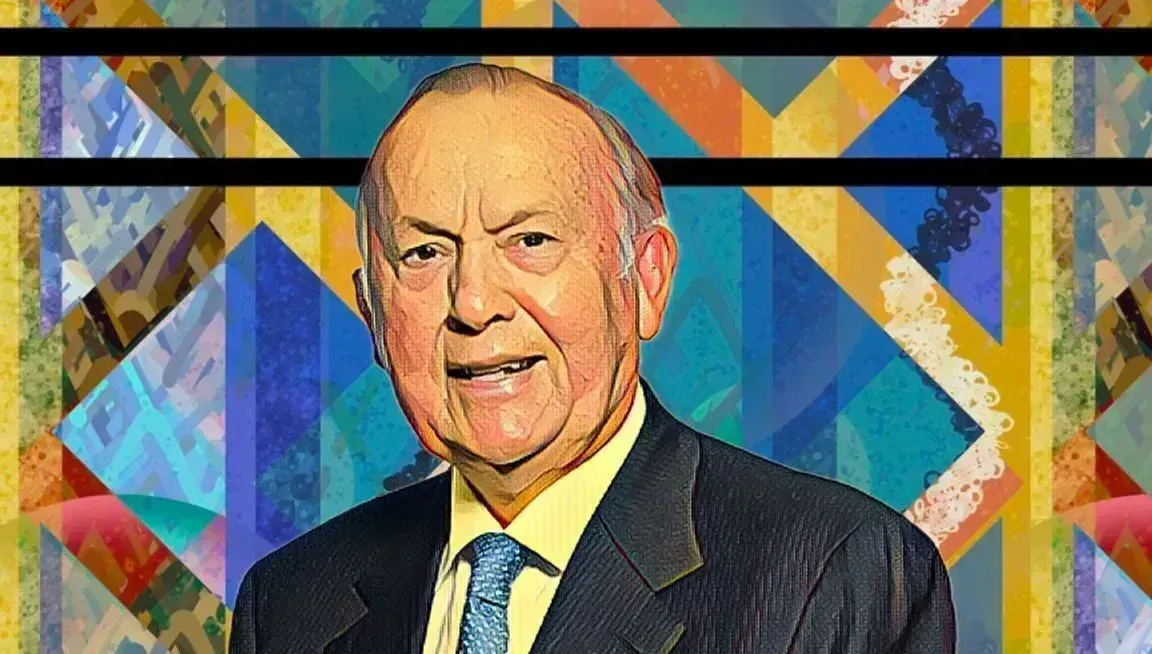
Christo Wiese was reading a book by a Peruvian economist when an idea took hold that would eventually put legal title deeds into the hands of 24,500 South Africans.
The book was The Mystery of Capital by Hernando de Soto, and its central argument was blunt: poor people around the world sit on trillions of dollars worth of real estate that cannot be used to build wealth or secure credit because they lack the formal legal documents proving they own it. They have lived on the land for years, sometimes generations, but without a title deed, that land is dead capital. It cannot be inherited, mortgaged or sold.
Wiese, one of South Africa's wealthiest businessmen, found de Soto's solution equally compelling in its simplicity: give people legal ownership of the land they already live on by making the regulatory process easier and cheaper. He later had dinner with de Soto and historian Niall Ferguson and asked how much traction the idea had gained with governments. The answer was discouraging. Only two governments had adopted the plan. South Africa was not one of them, despite two previous visits by de Soto's team.
"I offered to buy them tickets to South Africa and talk to our government about it," Wiese told the 9th BizNews Conference. "They said, 'No, don't worry, we have already been there twice to talk about it.'"
With little prospect of government action, Wiese and a group of other businessmen, including fellow billionaire Johann Rupert, decided to fund the solution themselves. They backed the Free Market Foundation's Khaya Lam Project, a Zulu phrase meaning "my home," which funds and manages the title deed registration process for South Africans living on municipal land they occupy but do not legally own.
The FMF estimates there are between seven and 11 million households in South Africa where people own the structure they live in but not the land beneath it. Without a title deed, those families cannot pass property to the next generation, access credit, invest in property or start a business, regardless of their income or work ethic.
Khaya Lam began 15 years ago in Parys in the Free State, where permission was granted to pilot the project. The cost at the time was approximately R2,000 ($123) per title deed registration. Wiese was present when the first batch of title deeds was handed over.
"There were really moving scenes," he said. He recalled giving a title deed to an elderly woman who burst into tears when she received the document. "At last, I have something to leave my children," she told him.
The project has since handed out 24,500 title deeds and is currently running at approximately 4,000 per year. It focuses on individuals living on municipal property who can be converted from tenants to legal homeowners through a process that requires identifying the property owner, ensuring regulatory compliance and engaging legal experts to process the documentation. Each registration demands extensive coordination with local authorities.
"The only wisdom that you have when you get to my age is that there really isn't a lot of wisdom required to solve problems and things are actually quite simple," Wiese said.
The FMF argues that by converting informal occupation into legal ownership, Khaya Lam transforms dead capital into dynamic capital, giving families access to the financial system for the first time and enabling wealth to move between generations in communities where that has historically been impossible.
At 4,000 title deeds per year against a potential addressable population of between seven and 11 million households, the project's reach remains limited relative to the scale of the problem. But for the 24,500 families who now hold legal title to their homes, the piece of paper represents something that no government program has yet delivered at scale.
The intelligence satisfies curiosity. The paid briefings satisfy strategy.
Every Monday, Elite subscribers receive an Investor Memo breaking down the deal, the structure and the positioning behind the week's most consequential African wealth story - the kind of analysis that doesn't appear anywhere else.
Twice a month, a Wealth Intelligence brief profiles a single billionaire's holdings, cash flows and expansion pipeline in detail no public source matches.
→ Executive ($25/mo): Daily newsletter + Deep-Dive Reports
→ Elite ($75/mo): Everything above + Investor Memos + Wealth Intelligence + Quarterly Analyst Briefings
Subscribe now