

Table of Contents
Yoweri Museveni opened a $125 million steel complex at Namanve on Tuesday for Roofings Group, the manufacturer Sikander Lalani built after fleeing Rwanda in 1994, six weeks after the company received an exploration license that could let it mine the iron ore it currently buys from Asia.
The Cold Rolling Mill Complex Phase IV cost about 466 billion shillings and pairs a cold rolling mill with an edge-trimming line, a galvanising line and a colour-coating line. Roofings signed the deal for a cold rolling plant at the Wakiso District park in October 2023, projecting at the time that it would lift group output toward 150,000 tonnes a year from an installed capacity of 72,000.
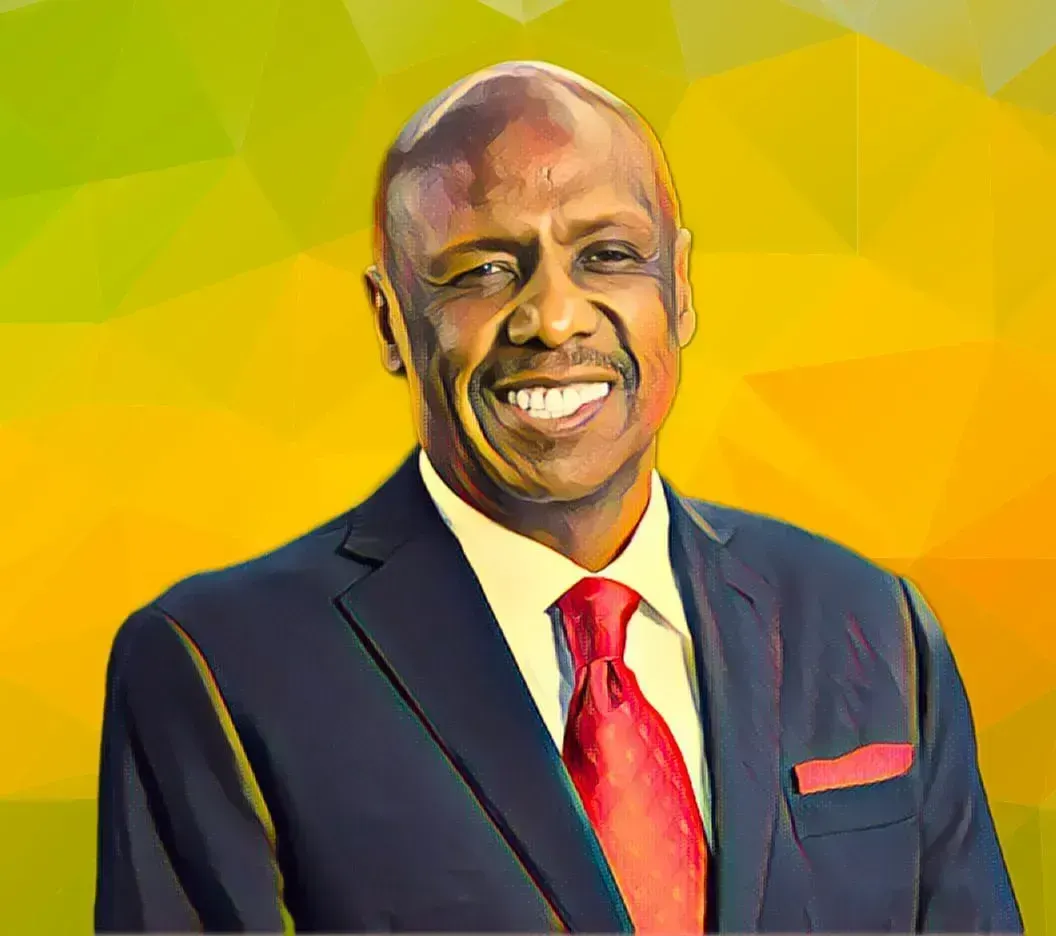
Group chief executive Arif Sheikh said the company is examining a specific area of Mukono for iron ore and has been allocated ground at Moroto for limestone. Roofings has also been working toward a coal-based direct reduced iron plant, the process that converts ore into feedstock for steelmaking without a blast furnace.
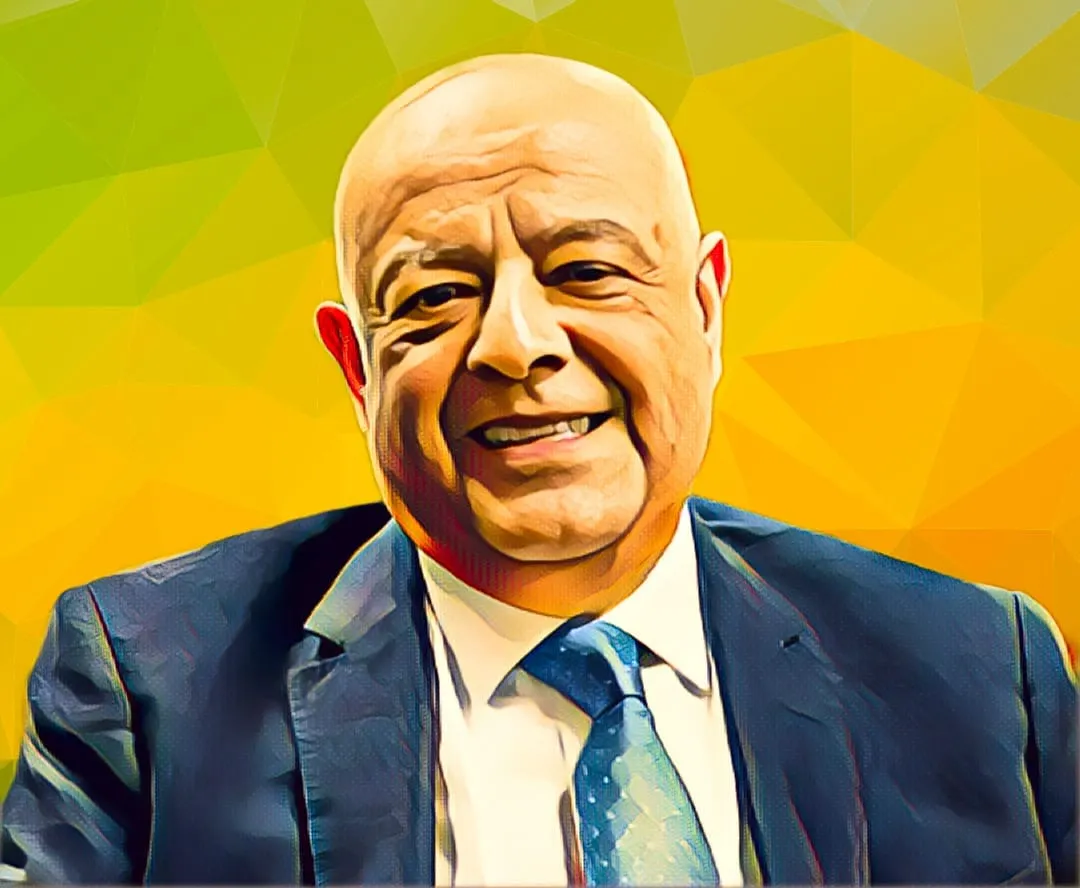
The state is moving to accommodate that. Monica Musenero, the minister of energy and mineral development, instructed the Uganda Investment Authority days before the ceremony to identify a sizeable piece of land for Roofings to build a plant turning iron ore into high-grade finished products. She said she saw no other company ready to do it and did not believe the capability existed elsewhere in East Africa, adding that terms would be negotiated before the project proceeds.
Museveni tied the plant to the National Resistance Movement's Ten-Point Programme of 1986 and its stated goal of an independent, integrated economy. He said the investment strengthened local value addition, created jobs and cut dependence on imported intermediate products, and argued Uganda's iron ore reserves should support a competitive domestic steel industry. He also pointed to the plant's supply links running to Italy and Japan.
The Japanese connection is a shareholding. Yodogawa Steel Works holds 10% of Roofings Rolling Mills, the Namanve subsidiary established in 2014 at a cost of around $170 million, with Roofings Limited holding the other 90%. Roofings Limited itself is owned outright by Lalani and his family, as is Roofings Polypipes and Irrigation Systems. The board has seven members, all of them company executives, with Lalani as chairman and chief executive.
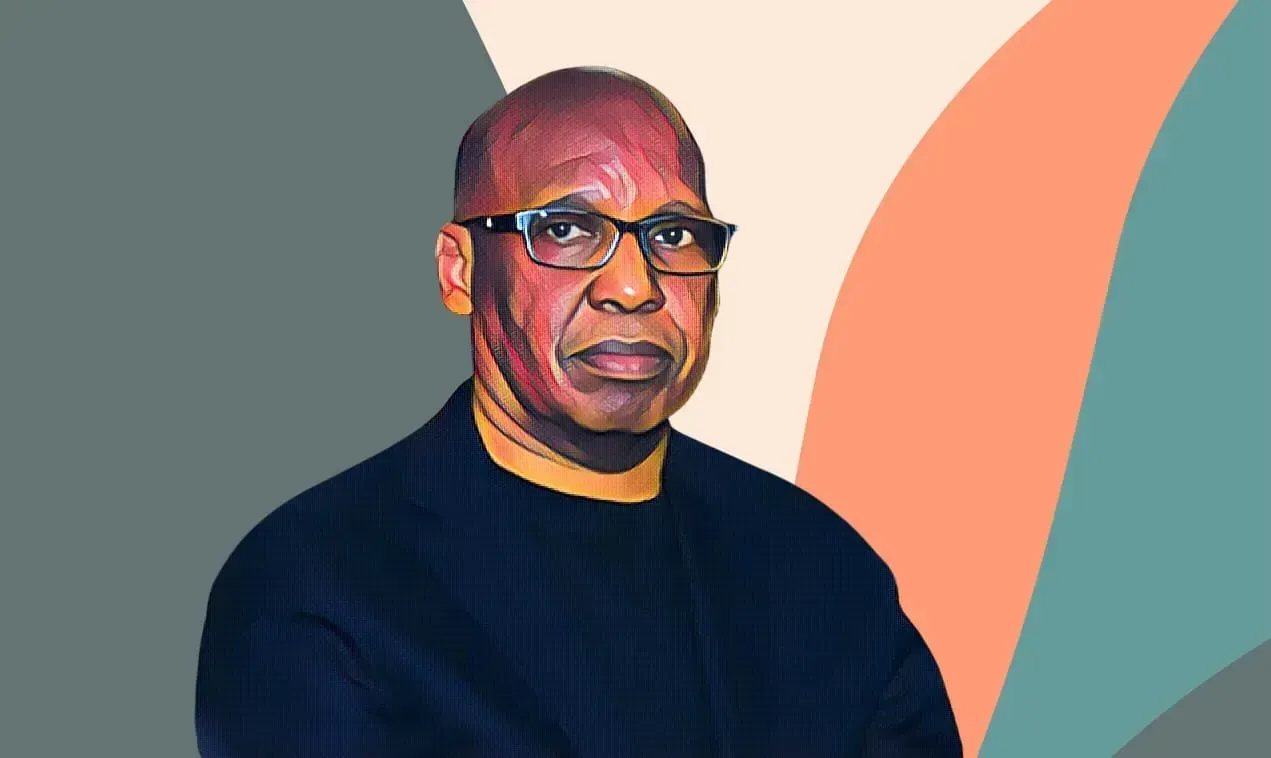
Lalani, whose fortune CEO East Africa put at about $1 billion in 2023, came to steel late and by accident. Born in Kampala in 1944, he qualified in medicine and spent two years as a histopathologist at University College Hospital in London during the 1960s before deciding it was the wrong career. He opened an electronics shop in Kigali selling Philips products and picked up the Goodyear tyre distributorship.
Japanese suppliers suggested manufacturing to him in 1976. He borrowed $1 million from the World Bank through the Rwanda Development Bank and opened a roofing materials plant in Kigali in 1978, running it until the 1994 genocide forced him out. He tried Tanzania, found the bureaucracy there unworkable, and settled in Uganda, where he restarted with 60 employees on 3,000 square metres and had the first Lubowa factory running by late 1995.
Roofings now employs more than 3,000 people across three factories, occupies 39 acres at its Lubowa headquarters and added 336.6 billion shillings in value to the Ugandan economy during 2024. It supplies roofing sheets, hollow sections, wire products, galvanised coils and plastic pipes across East and Central Africa, and has been cleared since 2016 to supply government infrastructure projects.
Lalani turns 82 in October. Sheikh runs the group day to day, and the family has been preparing a handover involving his son Oliver alongside his other children and his wife Winifred.
The exploration licence gives Roofings roughly the same position in Ugandan steel that it has held in fabrication for thirty years, with one difference. Every tonne it rolls at Namanve still starts as imported substrate. Mukono would change where that substrate comes from.
The intelligence satisfies curiosity. The paid briefings satisfy strategy.
Every Monday, Elite subscribers receive an Investor Memo breaking down the deal, the structure and the positioning behind the week's most consequential African wealth story — the kind of analysis that doesn't appear anywhere else.
Twice a month, a Wealth Intelligence brief profiles a single billionaire's holdings, cash flows and expansion pipeline in detail no public source matches.
→ Executive ($25/mo): Daily newsletter + Deep-Dive Reports
→ Elite ($75/mo): Everything above + Investor Memos + Wealth Intelligence + Quarterly Analyst Briefings
Subscribe now