

Table of Contents
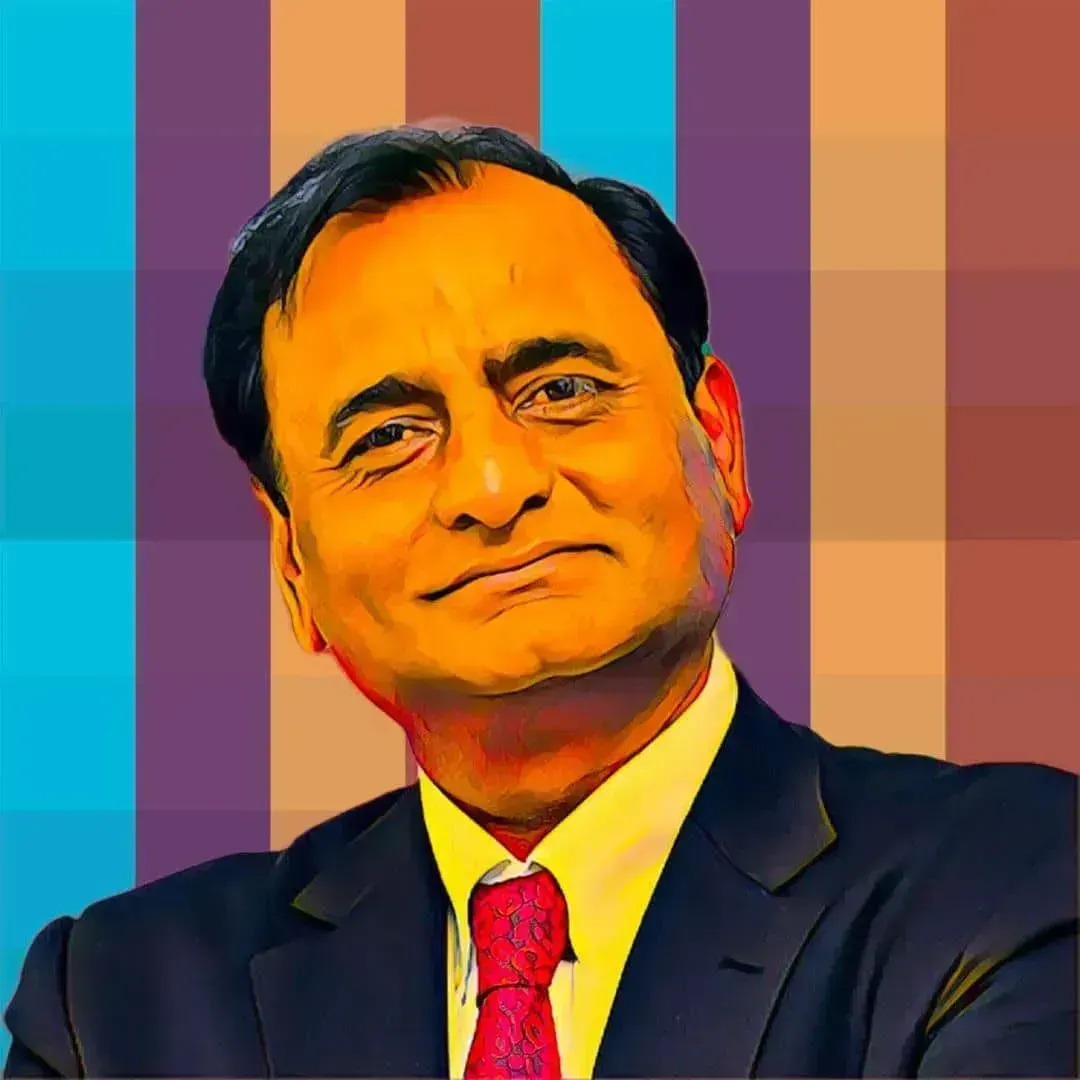
Patrice Motsepe is one of the best-known businessmen in South Africa. Half of the asset that made him rich belongs to a geologist most South Africans have never heard of.
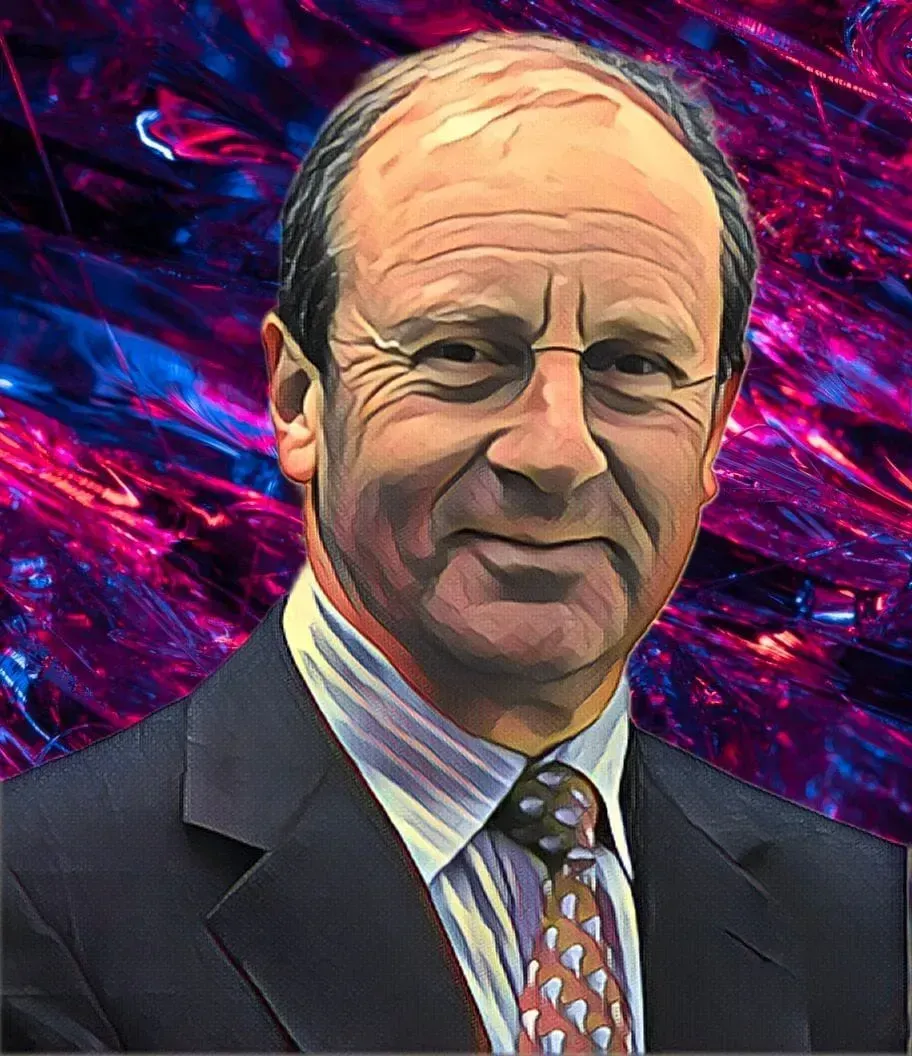
Desmond Sacco controls Assore, a mining company that owns 50% of Assmang. Motsepe's African Rainbow Minerals owns the other 50%. Neither side has ever bought the other out. The split has held for years, and it made both men billionaires.
Forbes valued Sacco at $1.1 billion in 2018. He has never given the interviews Motsepe gives, never run a football federation, never chaired anything outside mining.
One asset, not an empire
Most billionaires diversify. Desmond Sacco did not.
Assore has no meaningful business outside the ground his family has held since 1928. It owns half of Assmang, a chrome mine, an industrial minerals operation and the companies that sell what those produce. That is the fortune.
Assmang runs the Khumani and Beeshoek iron ore mines and the Nchwaning and Gloria manganese mines, all in the Northern Cape province, plus a smelter at Cato Ridge in KwaZulu-Natal and a 54% stake in the Sakura Ferroalloys smelter in Sarawak, Malaysia.
Sacco holds chrome separately through Dwarsrivier Chrome Mine, and Assore also owns Wonderstone, African Mining and Trust Company, Ore & Metal Company, Zeerust Chrome Mines and Assore International.
Nothing outside mining. Nothing outside South Africa except a Malaysian smelter that processes South African ore.
Why neither man buys the other out
A 50-50 split leaves neither side in control, and one party usually ends up buying the other out.
Assore and African Rainbow Minerals have not. The two companies share Assmang evenly, share its board, and split its output between them. Motsepe draws the bulk of his fortune from it. So does Sacco.
The reason the arrangement survives is that the asset works. Assmang lifted net income 19% to 6.9 billion rand in the year to June 2012, when the Khumani mine produced 14 million tonnes of iron ore. That performance pushed Assore shares from about 210 rand to about 360 rand across twelve months, a rise of 66%, and put Sacco on the Forbes billionaire list for the first time with a stake worth $1.4 billion.
South African mining was in serious trouble that year, with production disrupted across the industry and share prices falling. Assore rose while its peers fell.
The claim his father staked in 1928
Guido Sacco came from Italy and reached South Africa in 1926.
Two years later he established Gloucester Manganese Mines, taking ground in the Kalahari Manganese Field in the Northern Cape, one of the largest known manganese deposits on earth. Manganese is needed to harden steel, which makes the field important well beyond South Africa.
Guido Sacco founded Assore in 1950 and listed it on the main board of the Johannesburg Stock Exchange the same year.
His son inherited a working company. What he added was patience.
A geologist in a boardroom
Desmond Giulio Amedeo Sacco trained as a geologist, which is unusual at the top of a mining group. Most are run by accountants, engineers or lawyers.
He studied geology and played cricket and hockey at the University of South Africa, then joined the family company in 1968. He reached the Assore board in 1974 and waited another eighteen years for the top job, becoming chairman and managing director in 1992 when his father retired.
Twenty-four years inside the business before running it.
He is a fellow of the Institute of Directors and of the Geological Society of South Africa. He also spent four decades assembling a substantial private mineral collection, published as The Desmond Sacco Collection. A man who extracted manganese and iron in industrial quantities spent his own money choosing individual stones for how they looked.
Then he took the company private
In 2020 Sacco removed Assore from public view entirely.
Too few of its shares traded to interest institutional investors. Oresteel Investments, the family vehicle, held 52.4%. Black economic empowerment shareholders held 26.1%. Family members held 4.1% personally. The genuine free float was 17.4%, too thin for large investors to buy or sell without moving the price.
On March 9, 2020, the board proposed buying the minorities out using Assore's own cash, reported at roughly 8 billion rand at the end of December 2019. The terms were 320 rand a share plus a 7 rand interim dividend, about 7.8 billion rand in total. Charles Walters, then chief executive, called it the end of an era.
Assore traded for the last time on May 19, 2020, and delisted the following day after 70 years.
Motsepe's African Rainbow Minerals remains listed and reports its Assmang earnings every six months. Sacco's identical half is no longer priced by anybody.
What he actually owns
The figure attached to Sacco in most profiles is out of date.
He is routinely described as owning about 32% of Johannesburg-listed Assore. Assore has not been listed since 2020, and the structure beneath is layered.
After the buyout, Oresteel held 63.4% of Assore, empowerment shareholders 31.6% and Sacco family members 5% directly. Competition Tribunal filings from 2021 record Oresteel's own shareholders as the Sacco Trust with 44.31%, Sumitomo Corporation of Tokyo with 49% and Sally Dufour Berte with 6.69%. The trustees of the Sacco Trust are Patrick Sacco and Desmond Sacco.
On those numbers, the Sacco Trust's look-through interest in Assore is roughly 28%, a Billionaires.Africa calculation from the disclosed shareholdings. It sits in a trust with two trustees rather than with Desmond Sacco alone, and the family's remaining 5% is split among Desmond, Patrick and Nicholas Sacco and Angela, Casey and Sally Sacco.
Sumitomo, the Japanese trading house, owns almost half of the vehicle that controls Assore. Almost no account of the family fortune mentions it.
Desmond Sacco lives in Johannesburg, is married and has two children. He has spent more than fifty years in one company, sharing his best asset evenly with a man whose name everybody knows.
The intelligence satisfies curiosity. The paid briefings satisfy strategy.
Every Monday, Elite subscribers receive an Investor Memo breaking down the deal, the structure and the positioning behind the week's most consequential African wealth story - the kind of analysis that doesn't appear anywhere else.
Twice a month, a Wealth Intelligence brief profiles a single billionaire's holdings, cash flows and expansion pipeline in detail no public source matches.
→ Executive ($25/mo): Daily newsletter + Deep-Dive Reports
→ Elite ($75/mo): Everything above + Investor Memos + Wealth Intelligence + Quarterly Analyst Briefings
Subscribe now