

Table of Contents
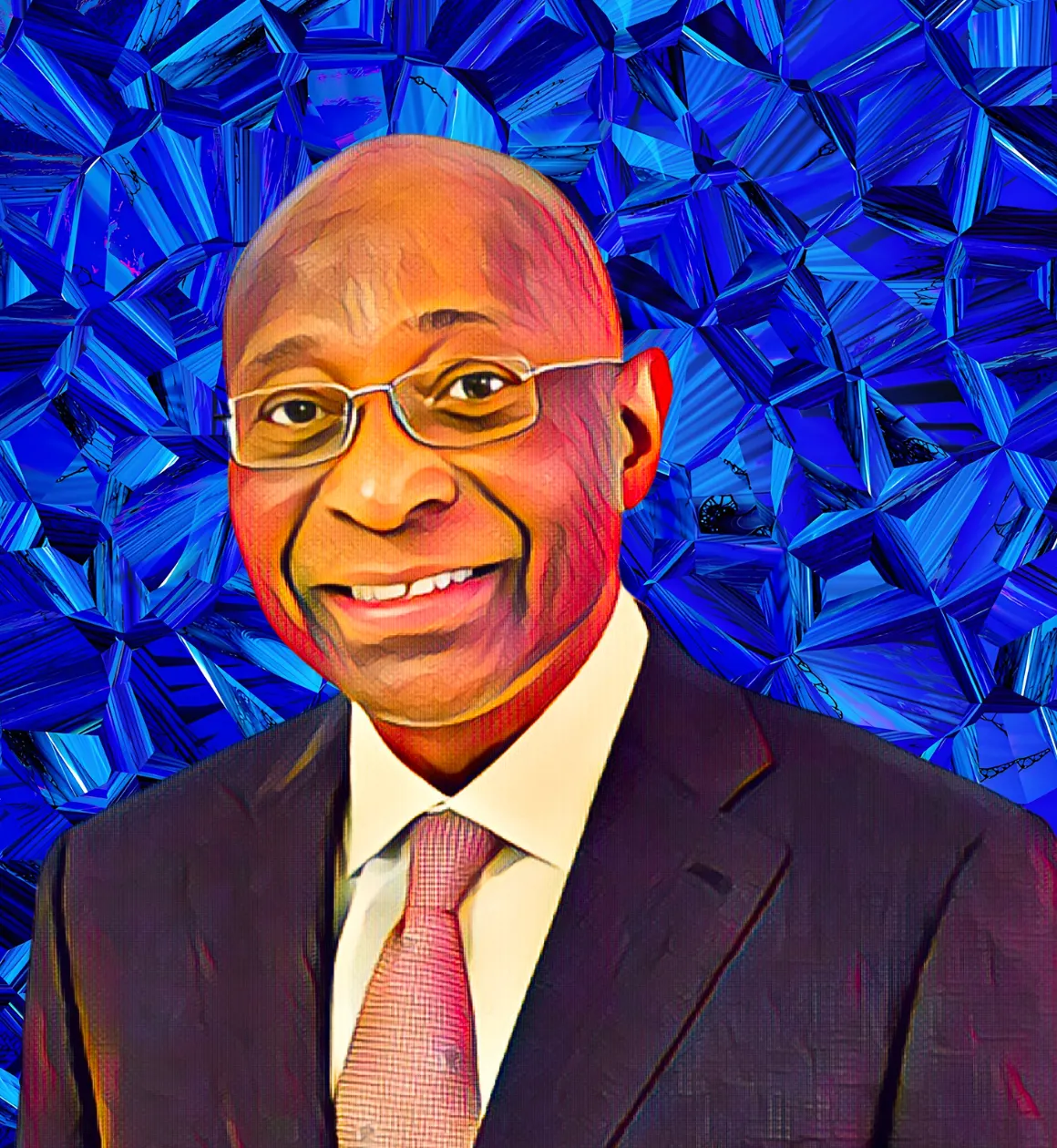
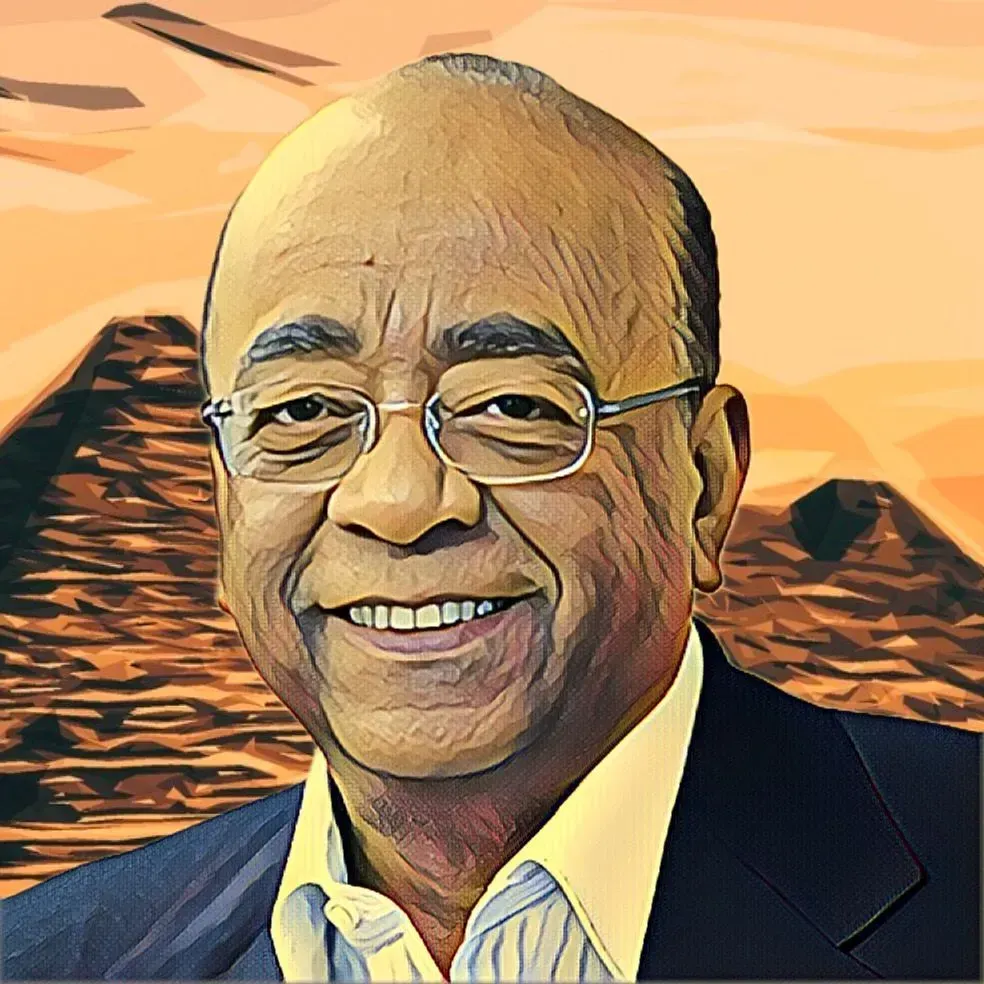
Mo Ibrahim has told Hakainde Hichilema, Zambia's president, that his first term was defined by progress and that he should not waste it.
The Sudanese-British telecoms billionaire published the statement on his foundation's website on Aug. 26, eight days after Zambia's electoral commission declared Hichilema the winner of a second five-year term. Ibrahim said his foundation was watching post-election developments closely, and argued that elections test a democracy well beyond what happens at the ballot box.
He pointed to the arbitrary arrest of opposition members, the killing of a former member of parliament, and the closure of the courts. He closed by telling Hichilema that it would be a waste and a shame for what he had built to crumble now.
Neither State House nor the Zambian government responded immediately.
Ibrahim carries unusual standing on this subject. He made his fortune founding Celtel, the mobile operator he built across 15 African countries and sold to Kuwait's Mobile Telecommunications Company for $3.4 billion in 2005. He then created the Mo Ibrahim Foundation, which publishes the Ibrahim Index of African Governance, the most widely cited measure of how African states are governed, and awards a $5 million prize to former African heads of state who leave office having governed well. The prize has gone unawarded in most years because no candidate met the criteria.
His intervention lands in a contested moment. The Electoral Commission of Zambia declared Hichilema president-elect at 2:41am on Aug. 18, giving him 2,965,326 votes against 1,856,217 for Brian Mundubile of the National Reconciliation Party for Unity and Prosperity. That is 61.4% of roughly 5 million votes cast, a margin of more than a million votes and enough to avoid a runoff.
Mundubile is challenging the result. Under Article 103 of Zambia's constitution he has seven days from the declaration to petition the constitutional court, which must then rule within 14 days. The timing of the court closures relative to that petition deadline is one of the things Ibrahim raised, and civil society groups inside Zambia have separately questioned the handling of the count.
The former member of parliament Ibrahim referred to is Mutotwe Kafwaya, whose death has become part of the domestic dispute over the election.
Hichilema came to power in August 2021 with a landslide over Edgar Lungu, in what was Zambia's third peaceful transfer of power through the ballot box. His first term drew international approval for restructuring the country's defaulted debt, bringing inflation down and repairing relations with lenders. The Institute for Security Studies has noted that the macroeconomic record did not translate into better household conditions, and that his win owed more to visible local spending, including raising the Constituency Development Fund from 1.6 million kwacha per constituency in 2021 to 40 million in 2026, about $84,160 to $2.1 million.
He also changed the constitution before the vote. In December 2025 he signed an amendment expanding parliament from 156 constituencies to 226 and creating 40 reserved seats for women, young people and people with disabilities.
Ibrahim's foundation has spent nearly two decades arguing that the quality of African leadership is measurable and that leaving office well matters as much as governing well. His statement about Zambia is among the most prominent international responses to the dispute so far, and it is aimed at a president his own index once had reason to rate highly.
The intelligence satisfies curiosity. The paid briefings satisfy strategy.
Every Monday, Elite subscribers receive an Investor Memo breaking down the deal, the structure and the positioning behind the week's most consequential African wealth story - the kind of analysis that doesn't appear anywhere else.
Twice a month, a Wealth Intelligence brief profiles a single billionaire's holdings, cash flows and expansion pipeline in detail no public source matches.
→ Executive ($25/mo): Daily newsletter + Deep-Dive Reports
→ Elite ($75/mo): Everything above + Investor Memos + Wealth Intelligence + Quarterly Analyst Briefings
Subscribe now