

Table of Contents
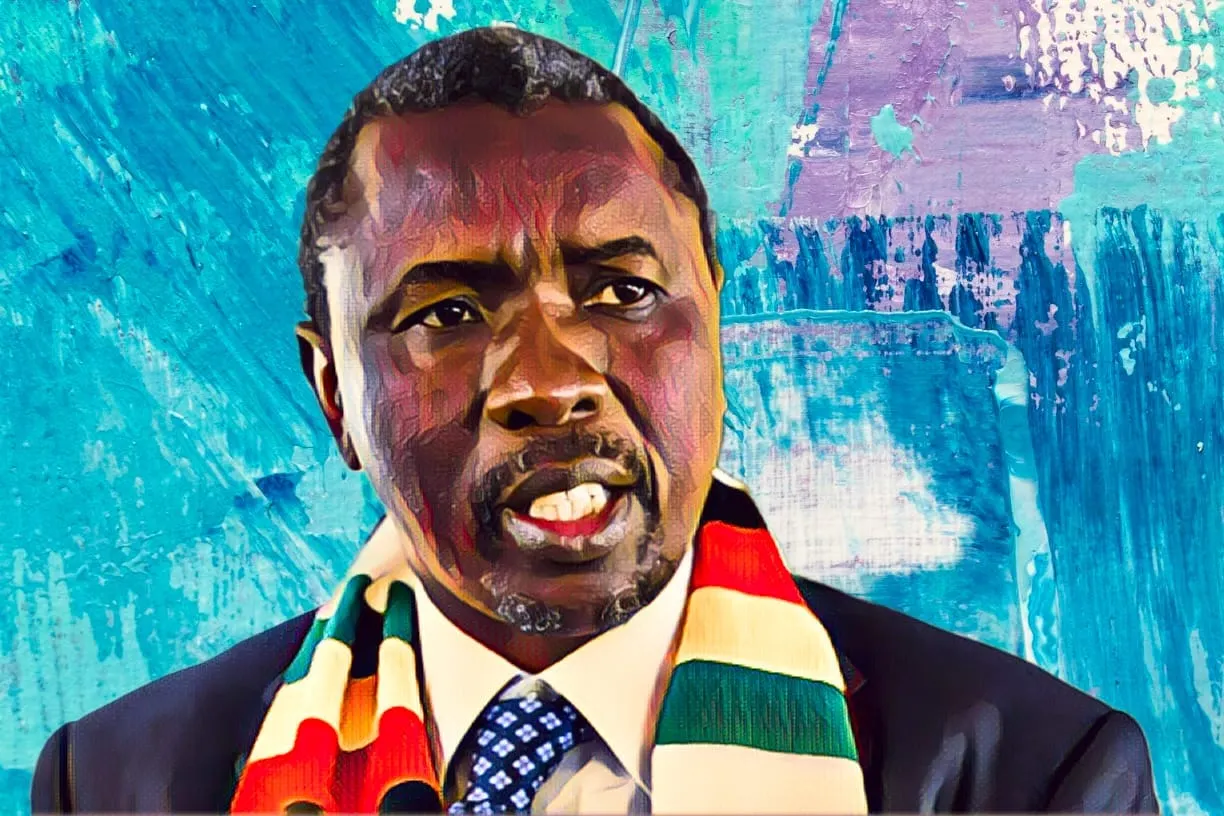
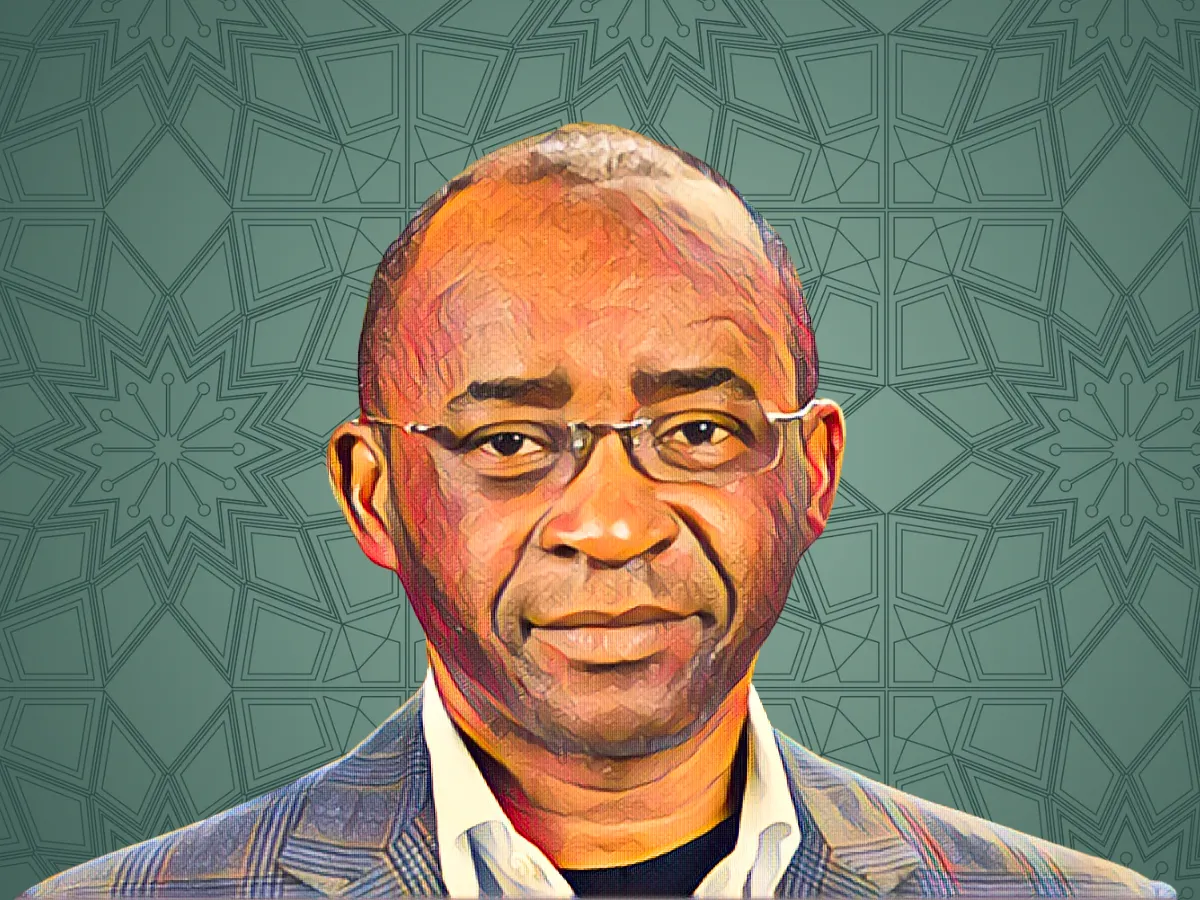
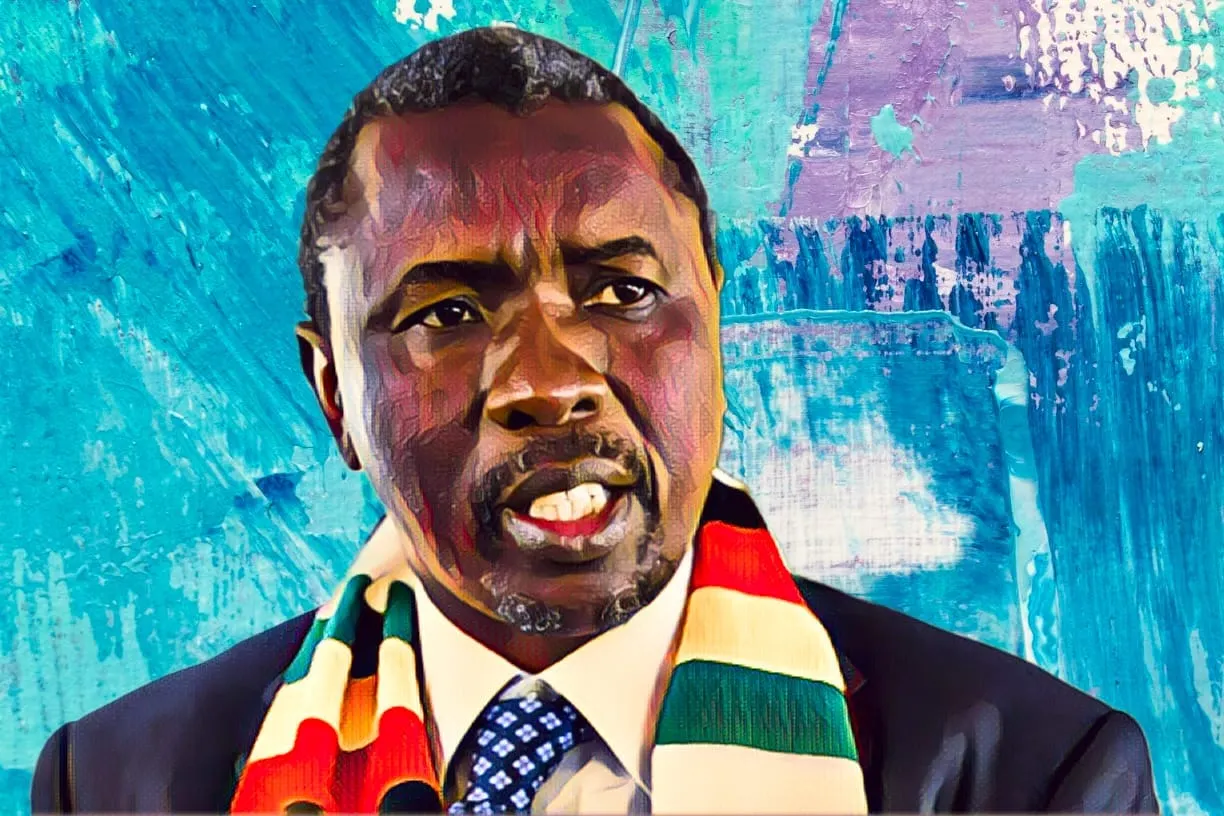
Kudakwashe Tagwirei was sworn in as a Zimbabwean senator on Tuesday, taking his oath at Parliament in Mt Hampden after being appointed by President Emmerson Mnangagwa. Both men are designated under the same American sanctions programme.
Tagwirei is one of ten senators appointed under Constitutional Amendment Act No. 3, which expanded the Senate to admit people chosen for professional skills and expertise rather than elected.
He said he had not expected the appointment. He told reporters afterwards that he comes from the business fraternity, that he is an entrepreneur, and that he hopes to bring that expertise into Senate debate so the economy can grow in line with Vision 2030, the government's programme for reaching upper-middle-income status by the end of the decade. He also said he wanted to help improve the operating environment for business.
The sanctions history is extensive and it is current.
The US Treasury's Office of Foreign Assets Control first designated Tagwirei and Sakunda Holdings in August 2020, accusing him of providing material support to the Zimbabwean leadership and of using relationships with senior officials to secure state contracts and access to hard currency. OFAC expanded the designations in December 2022 to cover his wife Sandra Mpunga, Sakunda's chief marketing officer Nqobile Magwizi, his business partner Obey Chimuka and the companies Fossil Agro and Fossil Contracting.
On March 4, 2024, Washington terminated the Zimbabwe-specific sanctions programme entirely and revoked the executive orders behind it. On the same day it redesignated Tagwirei, alongside Mnangagwa, Vice President Constantino Chiwenga and eight others, under Executive Order 13818, which implements the Global Magnitsky Human Rights Accountability Act. Treasury said Tagwirei was designated for materially assisting corruption and facilitating the transfer of its proceeds.
In March this year he was added to the American System for Award Management exclusions list, barring him from US federal procurement.
Britain designated him in July 2021 under its Global Anti-Corruption regime, saying he had profited from the misappropriation of property when Sakunda redeemed Zimbabwean treasury bills at up to ten times their official value, accelerating the currency's collapse and raising the price of food. On April 9, 2025 the UK disqualified him from serving as a director of any British-registered company or foreign firm with a substantial British connection.
He has denied wrongdoing throughout.
The business he built is one of the largest private operations in the country. Sakunda Holdings has interests across energy, agriculture and logistics, and Tagwirei's companies have run government programmes including fuel supply and the Presidential Inputs Programme, the state scheme distributing seed and fertiliser to farmers. He sits on the Zanu-PF central committee and chairs the Land Tenure Implementation Committee.
He holds Zimbabwean and South African citizenship.
What the Senate seat does is formalise an influence that already existed. A businessman whose companies depend on state contracts, and who two governments have sanctioned over how he obtained them, now sits in the chamber that legislates on economic policy.
The other new senators join debates when the chamber resumes.
The intelligence satisfies curiosity. The paid briefings satisfy strategy.
Every Monday, Elite subscribers receive an Investor Memo breaking down the deal, the structure and the positioning behind the week's most consequential African wealth story — the kind of analysis that doesn't appear anywhere else.
Twice a month, a Wealth Intelligence brief profiles a single billionaire's holdings, cash flows and expansion pipeline in detail no public source matches.
→ Executive ($25/mo): Daily newsletter + Deep-Dive Reports
→ Elite ($75/mo): Everything above + Investor Memos + Wealth Intelligence + Quarterly Analyst Briefings
Subscribe now