


Table of Contents
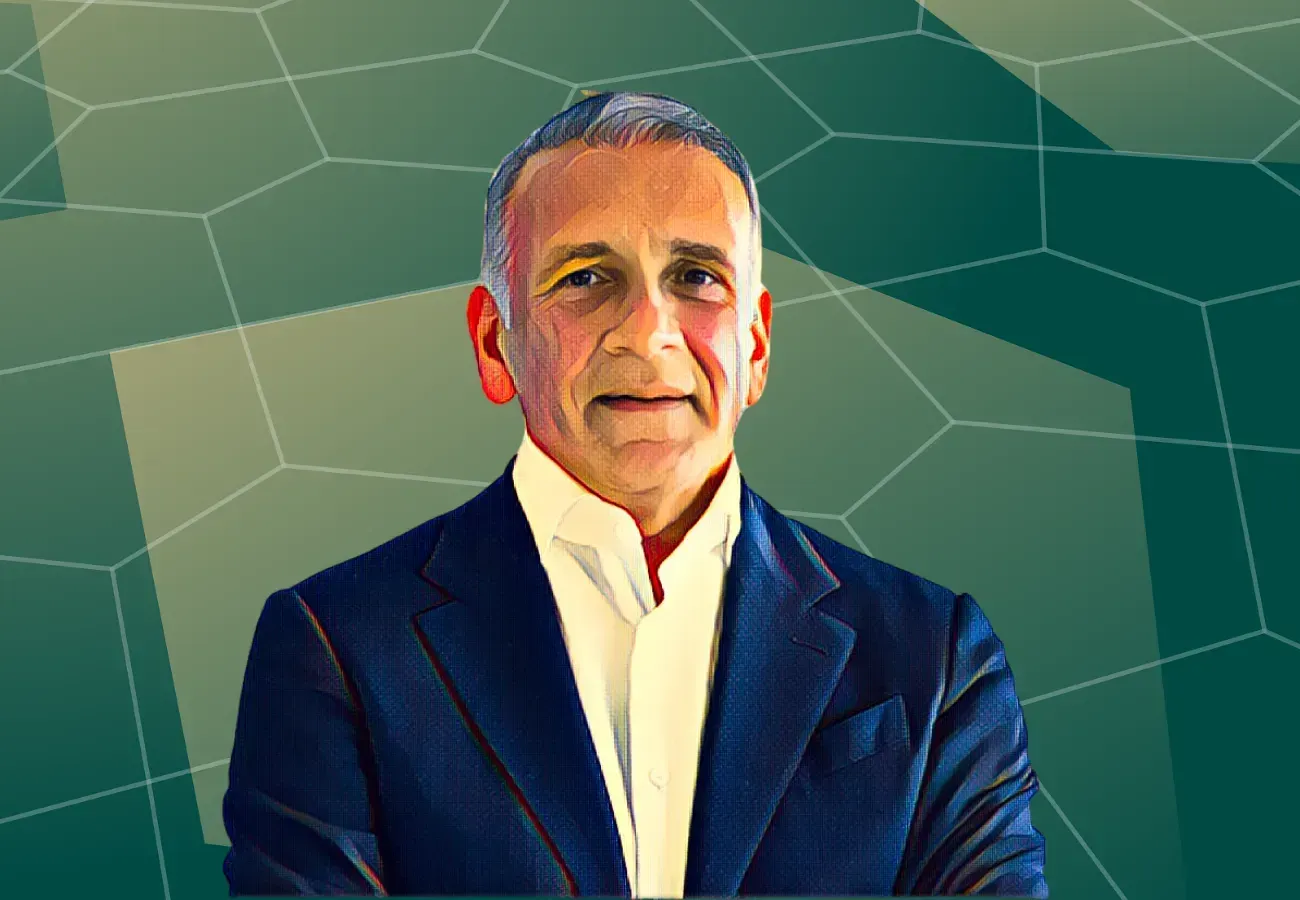
Johnvents Industries Ltd., the Nigerian agribusiness founded by 34-year-old entrepreneur John Alamu, is lining up a $72 million financing package from the International Finance Corp. to build a sesame plant in Nigeria and a cashew plant in Ivory Coast.
The proposed investment was disclosed by the IFC, the World Bank Group's private-sector lending arm, on Oct. 21. It is pending approval, and the IFC's board is expected to consider it on Dec. 18.
The package would consist of an A loan of up to $50 million from the IFC's own account, about half of which is expected to be covered by credit insurance, and a B loan of up to $22 million that the IFC would raise from other lenders. The loans would run for eight years, with a two-year grace period on principal. About $53.6 million would pay for new plants and equipment and $18.4 million would go to working capital.
Sesame and cashew plants
The biggest piece of the plan is a sesame processing facility with capacity of 50,000 metric tons a year, proposed along the Sagamu-Ibadan Expressway in southwest Nigeria. In Ivory Coast, the world's biggest cashew producer, Johnvents would build a plant able to process 30,000 tons of cashew a year. The company would also buy 30 trucks for its distribution network.
The borrowers would be Johnvents Holdco (Nigeria) Ltd., its main operating companies in Nigeria and Johnvents International SARL in Ivory Coast, with a Mauritius holding company, Johnvents International Mauritius Ltd., guaranteeing the debt.
The IFC said long-term dollar loans of this size and maturity are hard for agribusiness companies in the region to obtain, and that it expects the deal to bring in private lenders.
Alamu owns about 95% of Johnvents directly and indirectly, according to the IFC, which rated the company's governance risk as low to moderate. The lender pointed to improved board oversight, internal controls and external audits, while noting that ownership and decision-making remain concentrated in Alamu. Professional management, board committees and a new holding-company structure are meant to offset that risk.
Alongside the loans, the IFC plans an advisory program funded by the Global Agriculture and Food Security Program to train about 40,000 farmers in climate-smart methods, improve cocoa traceability and help farmer groups win sustainability certification. That work could later extend to sesame and cashew.
From cocoa trader to processor
Alamu, a statistician by training, started Johnvents in 2016 as a trader that bought agricultural commodities from farmers and sold them on. He had earlier worked as a monitoring and evaluation specialist at the International Institute of Tropical Agriculture in Ibadan. He also founded CapitalSage Holdings, a group that began as a microfinance lender in 2014 and now includes fintech businesses.
Johnvents moved into processing with a cocoa factory in Akure, Ondo State, and in 2023 bought Premium Cocoa Products in Ile-Oluji, also in Ondo State. The two plants can process about 48,000 tons of cocoa a year between them. The company has also become one of Nigeria's biggest sesame exporters and runs a commodities trading unit in Dubai.
The IFC has backed the company before. In June 2024 it put together a $23.3 million package to expand the Akure cocoa plant and replace diesel generators and wood-fired boilers with natural gas. In February 2025, British International Investment, the UK's development finance institution, agreed to invest $40.5 million in the Ile-Oluji business.
Johnvents also borrows heavily at home. Earlier this month it sought to raise as much as 80 billion naira ($60 million) through commercial paper, under a 250 billion naira program, to buy cocoa as the main harvest season began. In December 2025, it sold 30 billion naira of commercial paper at yields of 22% to 24.5%.
The intelligence satisfies curiosity. The paid briefings satisfy strategy.
Every Monday, Elite subscribers receive an Investor Memo breaking down the deal, the structure and the positioning behind the week's most consequential African wealth story — the kind of analysis that doesn't appear anywhere else.
Twice a month, a Wealth Intelligence brief profiles a single billionaire's holdings, cash flows and expansion pipeline in detail no public source matches.
→ Executive ($25/mo): Daily newsletter + Deep-Dive Reports
→ Elite ($75/mo): Everything above + Investor Memos + Wealth Intelligence + Quarterly Analyst Briefings
Subscribe now