

Table of Contents
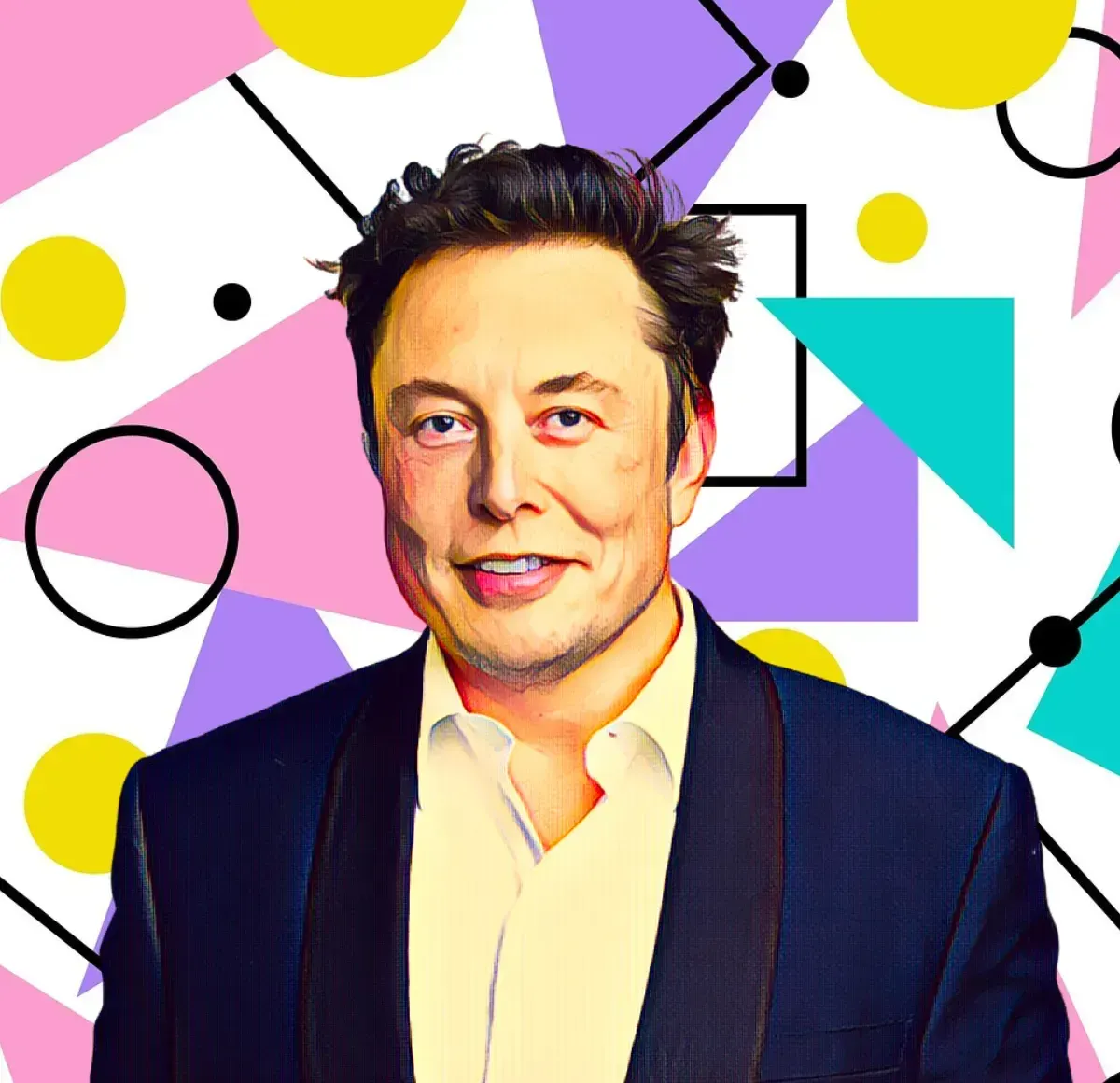
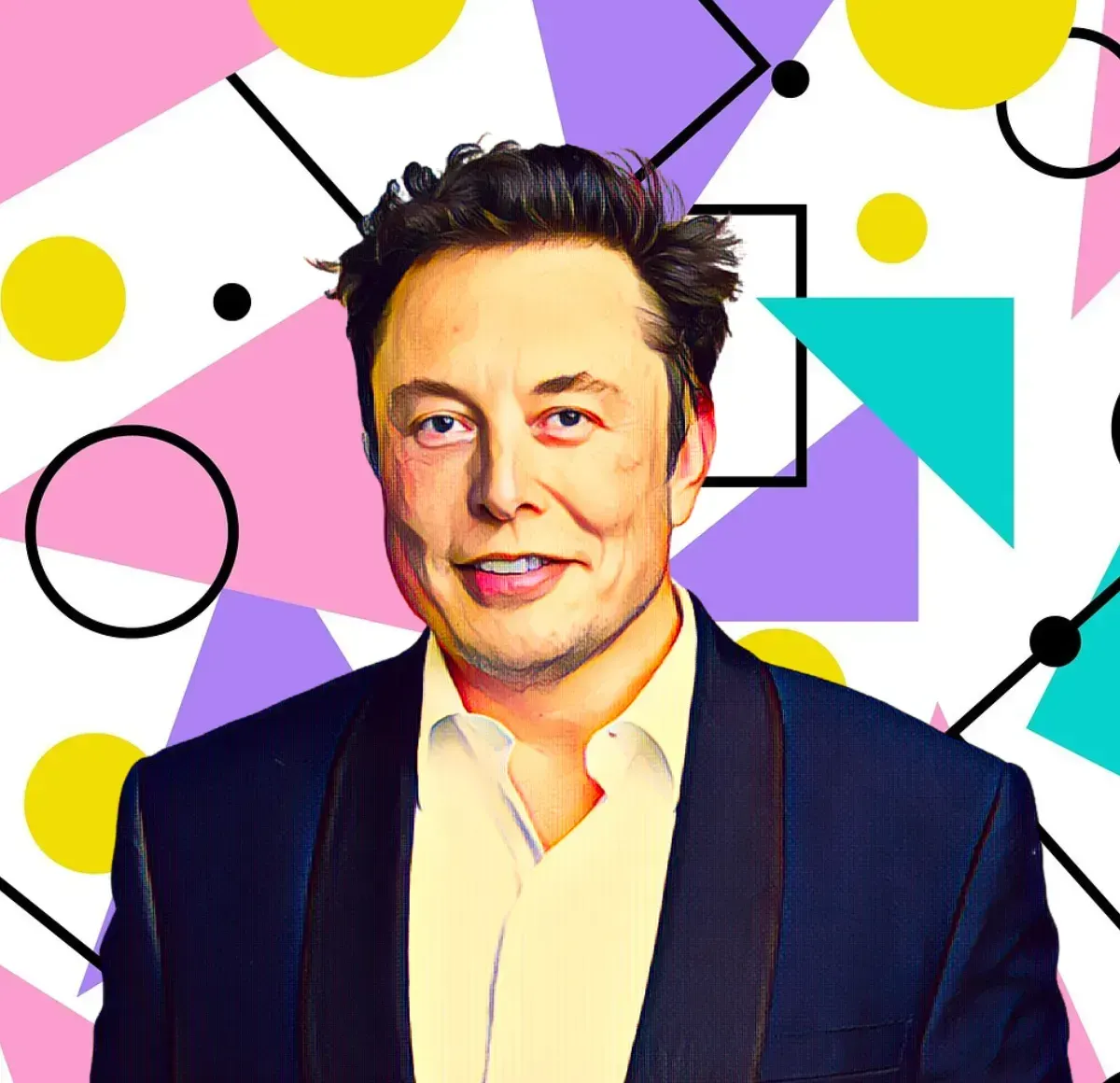
Elon Musk told a G20 gathering in North Carolina that artificial intelligence will expand the global economy by 20% to 30%, adding $20 trillion to $30 trillion in annual output.
Speaking virtually, he described it as a rough estimate. He paired it with a separate prediction on capability, saying AI will be able to do anything that does not require shaping atoms by hand, probably by the end of next year.
Global GDP currently runs at roughly $110 trillion. An increase of that size would be equivalent to adding the combined annual output of the United States and China, and no technology on record has delivered gains at that scale within a defined period.
The audience matters. Policymakers are working through a global bond selloff, renewed military exchanges between the United States and Iran, and rising expectations of further rate increases. American real GDP grew 1.5% in the second quarter after 2.1% in the first. The 10-year Treasury yield stood at 4.79% on Sept. 1 and the 30-year at 5.27%.
What Musk was arguing, without stating it directly, is that a productivity gain of that magnitude would change the arithmetic on debt and public spending. Fiscal constraints that look binding under conventional growth assumptions become manageable if output rises by a fifth.
Goldman Sachs chief executive David Solomon made a narrower version of the case at the same meeting on Aug. 31, saying AI gives the United States a real opportunity to run at a higher growth rate over the next five to ten years, while warning that the country must either grow consistently faster or adjust its spending given the debt trajectory.
The doubters are more numerous. Roger Altman has said nobody yet knows whether AI spending will earn satisfactory returns. Mohamed El-Erian has identified a funding gap and estimates three to four years of overbuilding before genuine productivity gains arrive. The analyst Gil Luria has questioned the capital expenditure arithmetic outright.
The near-term risk is already visible in credit markets. Mike O'Rourke told a JonesTrading panel on Aug. 31 that debt-financed AI buildouts turn high-growth companies into rate-sensitive investments, which means firms expected to benefit most from AI, including Nvidia and Cisco, face pressure from the same bond market their own spending is helping to strain. Peter Tchir noted roughly $100 billion more corporate credit issuance than is typical for August.
The bulls have their own evidence. Jim Cramer has argued that the period of unprofitable chip purchasing ended when Nvidia guided to 70% annual revenue growth against a consensus of 45%. Cisco chief executive Chuck Robbins has described AI as a secular supercycle with years of demand still ahead.
What separates the two camps is not whether AI creates value. It is what happens between the spending and the payoff. At a 30-year Treasury rate of 5.27%, every year of delay makes a debt-funded buildout harder to justify.
Musk's timeline is his answer to that. If AI can handle nearly any non-physical task by the end of 2027, the gap is brief. If El-Erian is closer, it is not.
The intelligence satisfies curiosity. The paid briefings satisfy strategy.
Every Monday, Elite subscribers receive an Investor Memo breaking down the deal, the structure and the positioning behind the week's most consequential African wealth story — the kind of analysis that doesn't appear anywhere else.
Twice a month, a Wealth Intelligence brief profiles a single billionaire's holdings, cash flows and expansion pipeline in detail no public source matches.
→ Executive ($25/mo): Daily newsletter + Deep-Dive Reports
→ Elite ($75/mo): Everything above + Investor Memos + Wealth Intelligence + Quarterly Analyst Briefings
Subscribe now