


Table of Contents
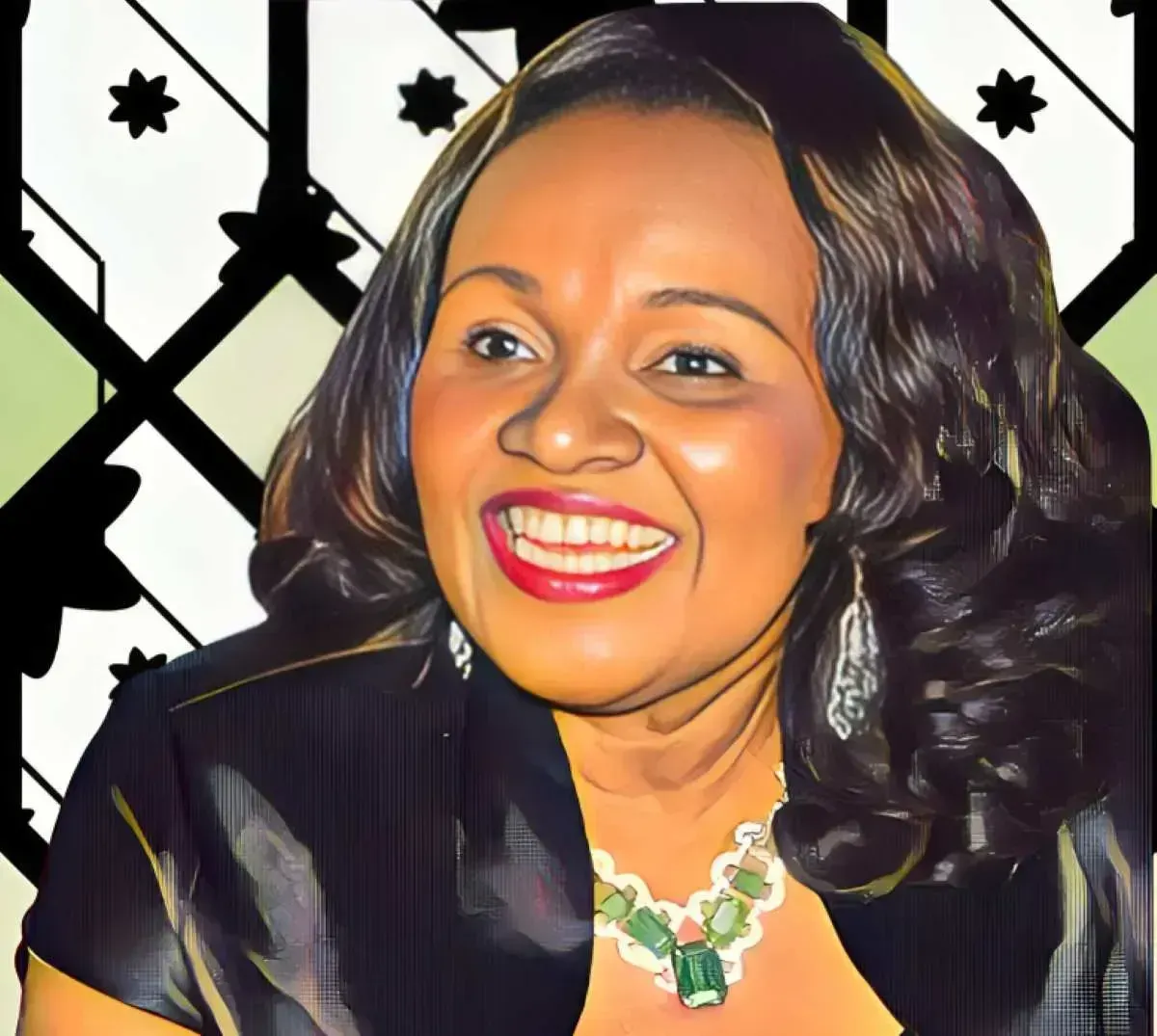
Nigerian pharmaceutical tycoon Stella Okoli has stepped down as group managing director of Emzor Pharmaceutical Industries Ltd., the drugmaker she started as a Lagos chemist's shop almost five decades ago, handing day-to-day control to a senior executive.
Uzoma Ezeoke, a pharmacist who was Emzor's executive director for general duties, human resources and finance, now runs the company as managing director. Okoli remains founder and chief executive.
The change was disclosed at the 8th Nigeria Pharma Manufacturers' Expo in Lagos, where Okoli used a panel on the next generation of industry leaders to press the federal government to do more for local drugmakers.
"The government must encourage manufacturers," she said.
She called for more regular talks between officials and manufacturers, and for young pharmacists to be steered into production rather than retail. Emzor hosts pharmacy students on industrial visits, and she said some of them are reluctant to leave. "They come and visit, they learn, and they don't want to go back to the university," she said.
She also pointed to her own staff as an example. "We encourage everybody to work hard because some of our lowest entry-level staff are now managers," Okoli said.
Drug ingredients next
The handover comes as Emzor prepares to start making active pharmaceutical ingredients, the chemical compounds that give medicines their effect. Okoli said the company would be the first in sub-Saharan Africa to produce them.
Almost all the active ingredients used by Nigerian drugmakers are imported, mainly from India and China, which leaves manufacturers exposed to currency swings and supply disruptions.
Emzor's plant at Sagamu in Ogun State, about an hour's drive from Lagos, is designed to start with ingredients for antimalarial drugs before moving to HIV medicines and other essential treatments. Its laboratory has already synthesised five antimalarial ingredients, including artemether and lumefantrine. The project has cost about $23 million and is partly funded by a €13.85 million loan from the European Investment Bank.
The plant has missed several target dates. It was first due to open in 2024, then late 2025 and then early 2026, and no new commissioning date has been announced.
In August, Emzor raised ₦26.7 billion ($20 million) through a five-year bond paying 19% a year, partly to finish the plant. The bond was the first issue under a ₦40 billion ($30 million) programme and was oversubscribed.
From a chemist's shop
Okoli founded the business in 1977 as a small chemist's shop in Lagos, starting with ₦5,000 and using her father's house as collateral. Emzor was incorporated in 1984 and began manufacturing soon after.
It now makes more than 140 products, from painkillers and antimalarials to antibiotics and vitamins, and its Emzor paracetamol is one of the best-known medicine brands in Nigeria.
Okoli is one of Nigeria's wealthiest women. Through the Chike Okoli Foundation, named after her late son, she funds programmes on health and youth development.
The intelligence satisfies curiosity. The paid briefings satisfy strategy.
Every Monday, Elite subscribers receive an Investor Memo breaking down the deal, the structure and the positioning behind the week's most consequential African wealth story — the kind of analysis that doesn't appear anywhere else.
Twice a month, a Wealth Intelligence brief profiles a single billionaire's holdings, cash flows and expansion pipeline in detail no public source matches.
→ Executive ($25/mo): Daily newsletter + Deep-Dive Reports
→ Elite ($75/mo): Everything above + Investor Memos + Wealth Intelligence + Quarterly Analyst Briefings
Subscribe now