


Table of Contents
Aspen Pharmacare sold roughly the same amount of medicine last year as the year before and made considerably more money doing it.
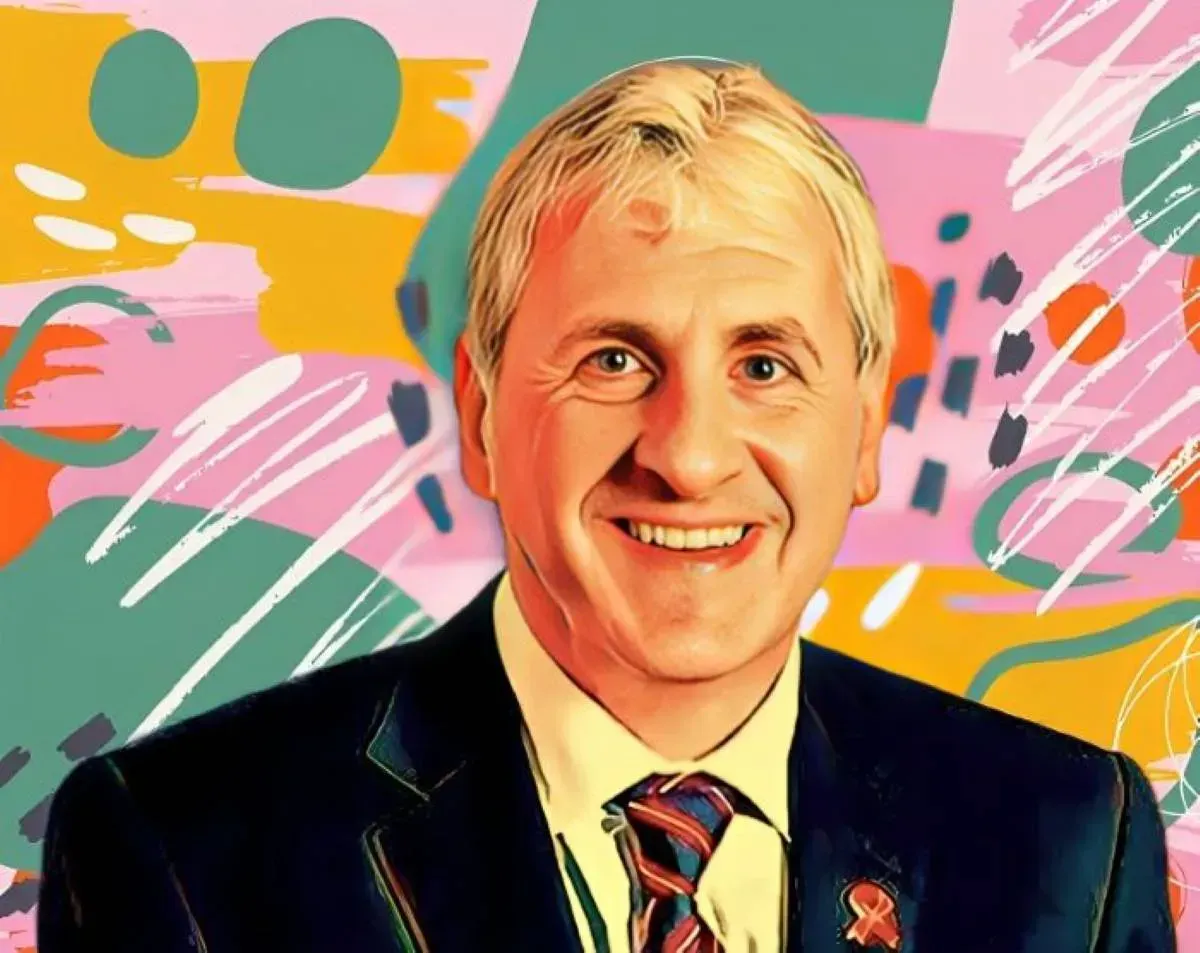
Africa's largest drugmaker, run by Stephen Saad, reported normalised headline earnings per share of 801.5 cents for the year to June 30, up 22% from 659.2 cents. In constant currency, which strips out exchange rate movement, the increase was 28%. Revenue was flat at 34.9 billion rand, about $2.16 billion at 16.14 rand to the dollar.
The gap between those two numbers is the result. Gross margin widened to 43% from 41.6%, operating expenses fell 4%, and normalised earnings before interest, tax, depreciation and amortisation rose 14% to 7.7 billion rand, roughly $477 million. The EBITDA margin moved to 27.1% from 25.6%.
Cash improved more dramatically. Free cash flow reached 3.8 billion rand against 166 million rand a year earlier, helped by lower capital spending and tighter working capital control.
One drug did most of the growth.
Aspen distributes Mounjaro, Eli Lilly's weight-loss and diabetes treatment, in South Africa and across sub-Saharan Africa. Saad told the earnings call that Mounjaro alone accounted for 40% of the group's growth, with every other product in the portfolio making up the remaining 60%, and that the drug has gone from 15% of the South African market to 53% in twelve months. The country's entire private pharmaceutical market grew about 5% over the same period.
Saad has not seen anything like it. He said consumers want the product, that he has never watched a category grow this way either locally or globally, and that the demand affirms Aspen's decision to invest in GLP-1 medicines, the class of drugs that includes both Mounjaro and Ozempic.
He is unconcerned about generic competition. Asked whether cheaper semaglutide would erode Mounjaro sales, Saad said patients who find the drug working for them do not stop taking it, and that he sees the market expanding rather than being cannibalised. Aspen is planning its own generic semaglutide rollout.
The commercial pharmaceuticals division, Aspen's largest, grew revenue 5% in constant currency to 25.4 billion rand and lifted EBITDA 13% to 5.9 billion rand. Injectables grew 16% and are now the group's biggest revenue line.
Manufacturing went the other way and still improved. Revenue fell 10% to 9.5 billion rand after an mRNA contract worth about 1 billion rand expired, but EBITDA rose 21% to 828 million rand as the restructuring of Aspen's sterile finished-dose facilities in France and South Africa began delivering. Saad said the reshaped business more than recovered the lost contract.
Registration is pending for Mounjaro in Nigeria and Kenya, after which Aspen intends to move into West Africa.
The guidance is aggressive. Saad expects normalised EBITDA of at least 9 billion rand in the 2027 financial year, implying growth above 17%, and normalised headline earnings per share to rise more than 50%. He told the call the company has never issued shares in 25 years, carries no debt, and will deliver more than 9 billion rand of earnings next year.
Investors moved on it. The shares rose 2.65% to 14,884 rand, leaving them about 64% above their 52-week low and 7.5% below the high.
Saad co-founded Aspen with Gus Attridge in 1997 and remains chief executive. Forbes has ranked him among South Africa's wealthiest people, and he is also a shareholder in DNI Group, whose consortium put 1.6 billion rand into the fibre operators Frogfoot and Vox last week.
The intelligence satisfies curiosity. The paid briefings satisfy strategy.
Every Monday, Elite subscribers receive an Investor Memo breaking down the deal, the structure and the positioning behind the week's most consequential African wealth story — the kind of analysis that doesn't appear anywhere else.
Twice a month, a Wealth Intelligence brief profiles a single billionaire's holdings, cash flows and expansion pipeline in detail no public source matches.
→ Executive ($25/mo): Daily newsletter + Deep-Dive Reports
→ Elite ($75/mo): Everything above + Investor Memos + Wealth Intelligence + Quarterly Analyst Briefings
Subscribe now