


Table of Contents
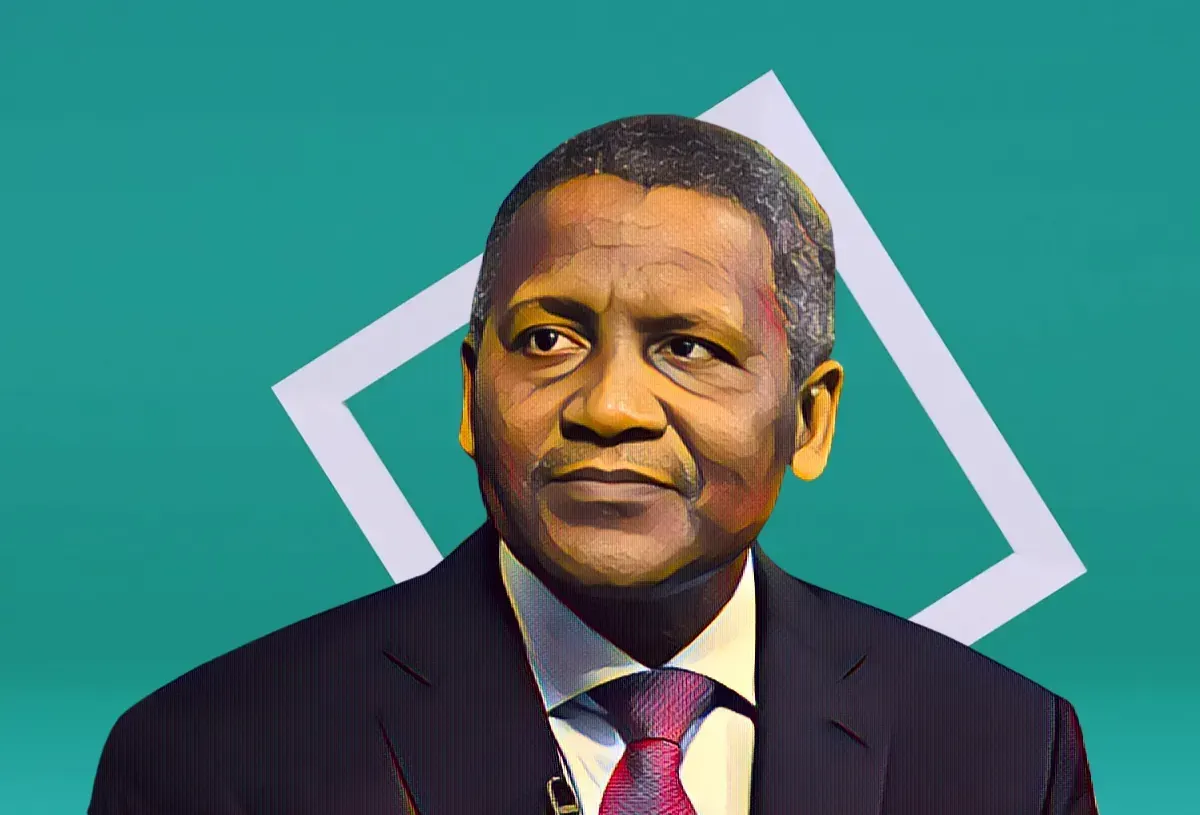
Ghalib Said Mohamed, the Tanzanian businessman who leases the country's main inland cargo terminal, has asked the state railway to run more trains to the site, and the railway says it is considering the request.
The terminal is Isaka Dry Port, a customs and container yard about 1,000 kilometres inland from the port of Dar es Salaam. Sea freight arrives there by rail, is unloaded, cleared through customs and handed to trucks for the final leg. It exists so that importers and exporters in Rwanda, Burundi, the Democratic Republic of Congo and Uganda can pick up and drop cargo in northwestern Tanzania rather than sending trucks all the way to the Indian Ocean. Rwanda, Burundi and Uganda are landlocked. Congo has an Atlantic coastline, but its eastern provinces are closer to Tanzanian ports than to their own.
Mohamed's GSM Group operates Isaka under a lease from Tanzania Railways Corporation, the state-owned company that owns the site and the track leading to it. Three trains a day currently serve the terminal, and that figure caps how much freight it can handle regardless of how many cranes or how much yard space the operator installs.
Machibya Shiwa, TRC's director general, said the corporation is weighing additional trains and wagons following Mohamed's request. He was speaking during an inspection visit to Isaka led by Jaffer Machano, the corporation's board chairman, in remarks published on Wednesday, Sept. 9.
More capacity would let traders in the four neighbouring markets clear cargo at Isaka instead of making the journey to the coast, Shiwa said.
"Traders from Rwanda, Burundi, the DRC and Uganda will now be able to transport their cargo through the private investor without having to go to Dar es Salaam," he said.
Shiwa said TRC and GSM are also in talks about further investment in cargo-handling equipment and operations at the site.
Why Isaka matters
Isaka is a small town in Kahama Rural District, in the Shinyanga Region of northwestern Tanzania, roughly 610 kilometres by paved highway from Kigali. A dry port was built there in the 1980s to serve Rwanda and Burundi, and it has since also handled containers bound for eastern Congo. It functions as an extension of Dar es Salaam, so a Rwandan importer can complete customs formalities at Isaka rather than queueing at the coast.
The terminal sits on the Central Corridor, one of two main trade routes into East Africa's interior. The other is the Northern Corridor, which runs inland from the Kenyan port of Mombasa. The two compete for the same regional cargo, and how much freight either one captures depends largely on how quickly and cheaply the route works.
Tanzania has been trying to shift that balance. TRC is building and expanding cargo terminals and dry ports at Kwala, Morogoro, Isaka, Mwanza and Kigoma. Isaka is also the intended junction for a standard gauge line running about 571 kilometres to Kigali, a project Tanzania and Rwanda have been discussing for more than a decade.
Shiwa said Isaka forms part of a strategy covering both the metre gauge railway, the narrow-gauge network dating from the colonial period, and the standard gauge railway, the wider and faster system Tanzania has been building since 2017. He said significant investment is under way and that he expects results on the standard gauge network by the end of next year.
"The government's intention is not to stop because investment in TRC is being made according to demand," he said.
Who Ghalib Said Mohamed is
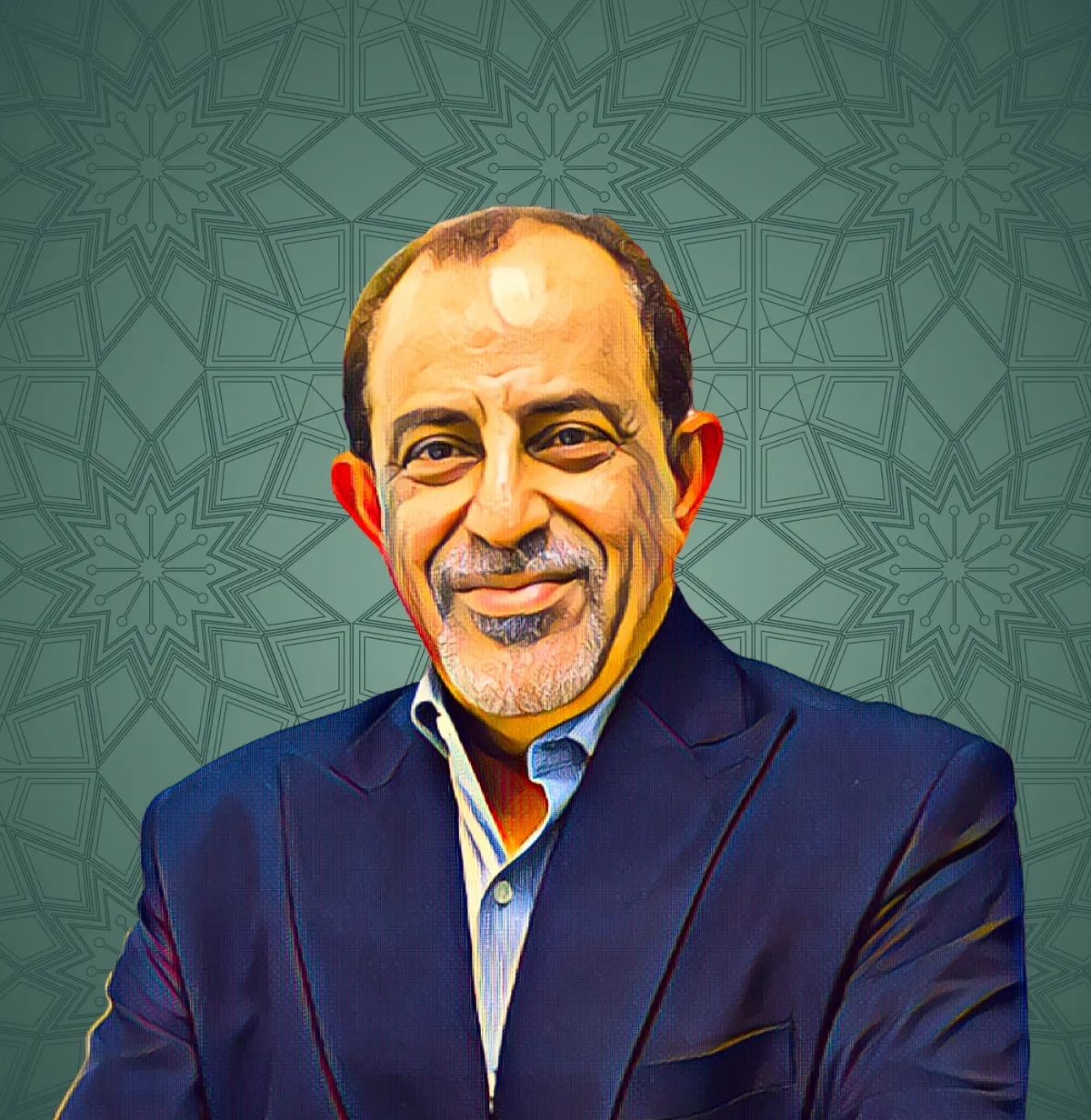
Mohamed is president of GSM Group, a privately held Tanzanian conglomerate with interests in general trading, transport and logistics, media, manufacturing, real estate, retail, petroleum and financial services. Its flagship is Galco Transport and Logistics, a cross-border trucking and freight operator, alongside GSM Petroleum, which imports and trades refined fuel.
The business began with his father, who started selling clothes and small goods on the streets of Tanga, a port city in northern Tanzania, in the 1950s, and later moved into cashew farming. Mohamed worked in that business before he and his brothers built GSM Group into its current form. The group says it operates across several countries, including China, the United Arab Emirates and a number of African markets, and employs more than 2,000 people directly. It publishes no accounts.
He is best known to the Tanzanian public through football. GSM Group allocated 15 billion shillings, about $5.7 million, to transfer spending at Young Africans, the Dar es Salaam club commonly known as Yanga and one of the country's two dominant teams. In February the club selected GSM as investor and contractor for a new stadium built to the standards of the Confederation of African Football, ending years of renting the state-owned Benjamin Mkapa Stadium. Under a structure agreed in May, Yanga provides the land, GSM finances construction, and the two split ownership equally.
A state asset in private hands
Shiwa said TRC leased Isaka to GSM specifically to accelerate development of the facility and improve cargo handling through private-sector participation, and he called on other private investors to partner with the corporation on railway infrastructure and logistics. He said the arrangement fits the National Development Vision 2050, the government's long-term economic plan, which encourages public-private partnerships.
Neither TRC nor GSM has disclosed the length of the lease, the fees involved, or how much either side has committed to spend at the site.
Isack Kenyata, the GSM manager who runs the terminal, said cooperation between the government, the railway and the private operator has accelerated operations, and that additional train services would improve cargo handling and meet growing demand from traders using the route.
The commercial logic for the operator is straightforward. A dry port earns money on volume, through handling charges, storage and the services that surround customs clearance. Volume at Isaka depends on how many trains TRC can run to it, which is the one variable Mohamed cannot control himself.
Shiwa gave no timeline for when additional trains might be deployed, and said only that the corporation would add capacity as cargo traffic grows.
The intelligence satisfies curiosity. The paid briefings satisfy strategy.
Every Monday, Elite subscribers receive an Investor Memo breaking down the deal, the structure and the positioning behind the week's most consequential African wealth story - the kind of analysis that doesn't appear anywhere else.
Twice a month, a Wealth Intelligence brief profiles a single billionaire's holdings, cash flows and expansion pipeline in detail no public source matches.
→ Executive ($25/mo): Daily newsletter + Deep-Dive Reports
→ Elite ($75/mo): Everything above + Investor Memos + Wealth Intelligence + Quarterly Analyst Briefings
Subscribe now