

Table of Contents
John Kibunga Kimani raised his stake in Centum Investment Company to 11.51% during the financial year to March 2026, buying 7.19 million shares for about 133 million shillings, roughly $1.03 million.
Centum disclosed the purchase in its latest annual report. He moved from 69.4 million shares, or 10.43%, at the end of March 2025 to 76.59 million a year later.
The single transaction is unremarkable. The sequence behind it is not.
Kimani held 8.2 million Centum shares in March 2021, a stake of 1.24%. He has bought in almost every reporting period since. By August 2022 he was at 4.7%, having spent 219 million shillings. He bought 10.8 million shares for 90.7 million shillings in February 2024, taking him to 6.84%, then another 18.84 million for 233.6 million over the following nine months, reaching 9.7% by that December. He passed 10.43% by March 2025 and 11.51% a year later.
That is a nine-fold increase in five years, executed quietly, in a market where most investors trade.
The timing of when he started is worth noting. Chris Kirubi, who chaired Centum and was its dominant shareholder, died in June 2021. Kimani owned 1.24% of the company three months before that.
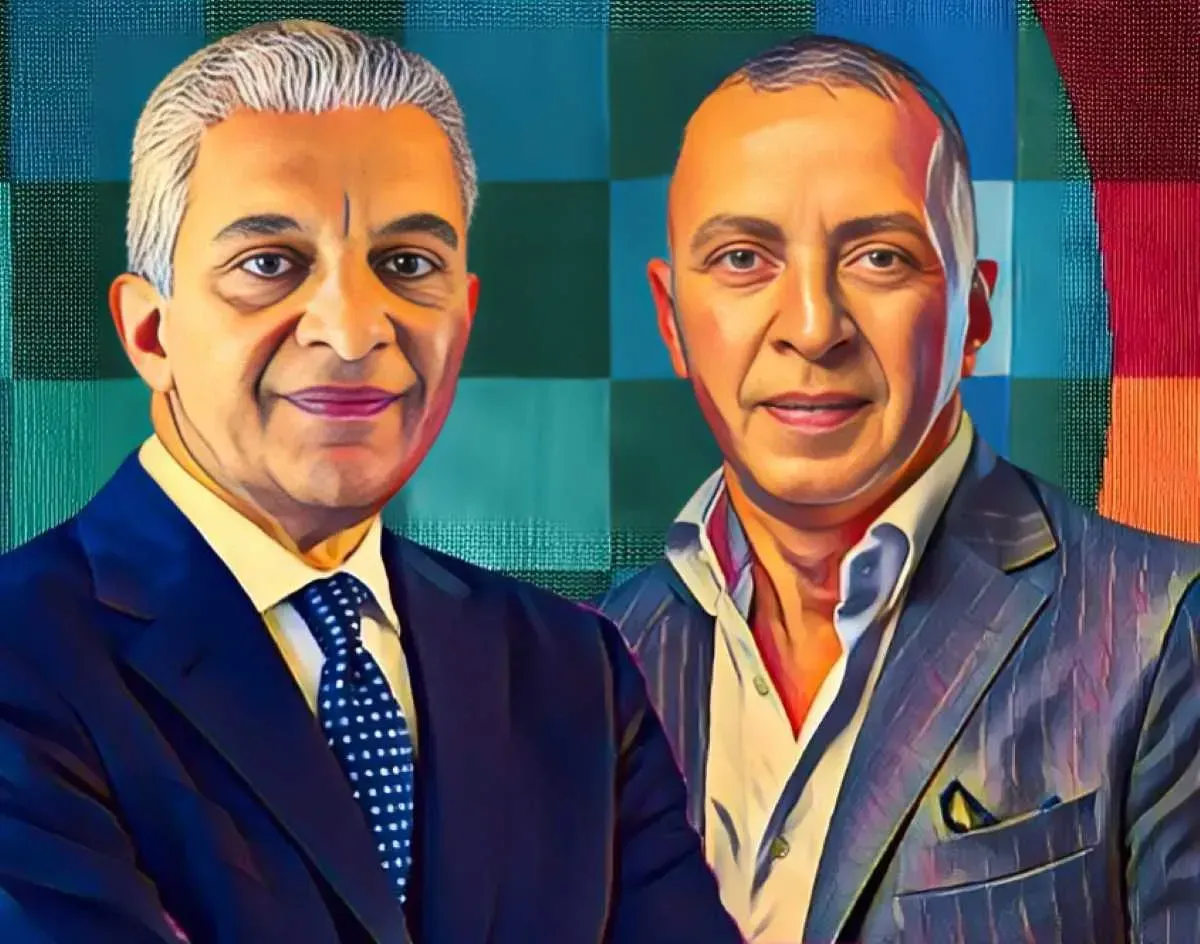
Kirubi's estate has held 30.94%, or 205.91 million shares, throughout the period, and passed to his children Mary-Ann Musangi and Robert Kirubi. Centum's latest report says the estate's holding declined during the year to March 2026. It does not say whether shares were sold or whether the percentage moved for another reason.
One possible explanation sits in the company's own accounts. Centum has been running a share buyback, extended into a second phase that opened on Oct. 1, 2024 and ran to March 31, 2026 at a maximum price of 9.51 shillings a share. A buyback is one of the few ways a large shareholder in a thinly traded Kenyan company can sell a block without collapsing the price.
State-owned Kenya Development Corporation holds 22.97%.
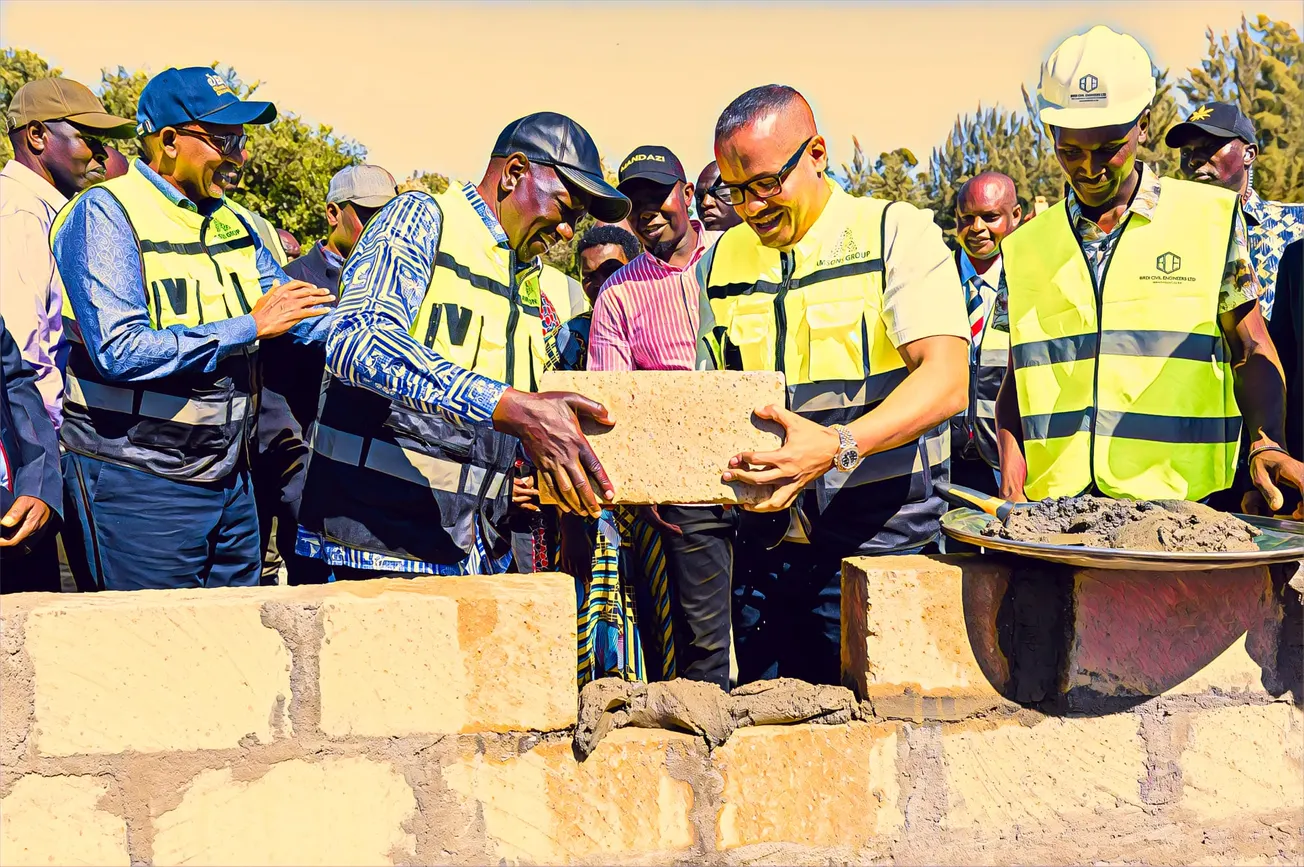
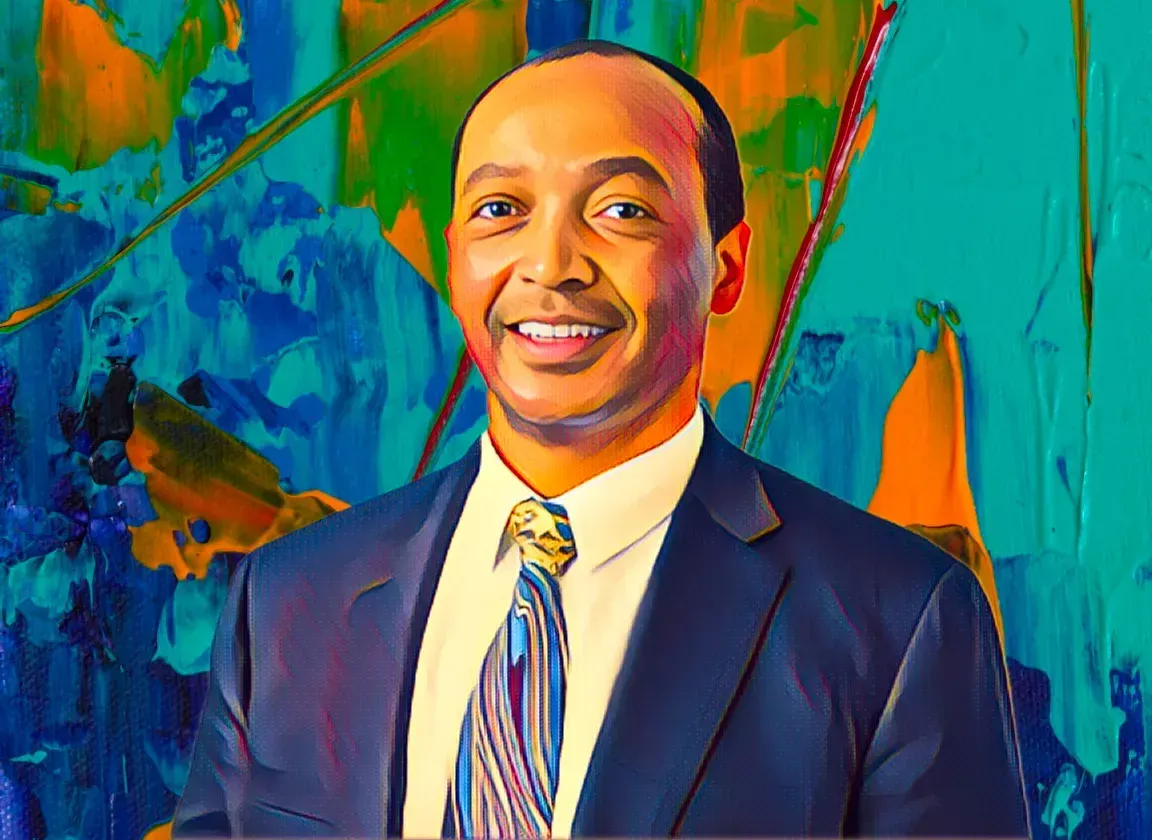
Kimani is an unusual figure to find on any share register. He was born into poverty and grew up as a squatter with his family at Makuyu in Murang'a County. He avoids photographs, gives no interviews, and Kenyan business press describes him as a buy-and-hold investor, which in a market dominated by institutions and short-horizon traders makes him close to unique.
What he has assembled is one of the largest individual portfolios on the Nairobi Securities Exchange. He owns 33.35% of the agricultural producer Kakuzi, 11.51% of Centum and 0.52% of Nation Media Group, and he was the second-largest individual shareholder in Safaricom with 27.7 million shares. Billionaires.Africa valued the portfolio at $27.5 million in February, ranking him tenth on the exchange.
Kakuzi is the holding that closes a circle. The company grows avocados, macadamia nuts, tea, timber and beef on estates around Makuyu, the district where Kimani's family lived as squatters. He now owns a third of it.
Centum itself is the reason he keeps buying. It holds private equity, real estate, education and financial services assets including Two Rivers Mall, Longhorn Publishers, Nabo Capital and the SABIS International School at Runda, and it sold 83.4% of Sidian Bank to Nigeria's Access Bank for 4.3 billion shillings in 2022. Its shares have traded well below the value of those assets for years, which is the discount a patient buyer is paid for waiting.
He has also spent more than a decade in court over land in the same district he grew up in. His company Rural Development Services agreed in July 2013 to sell a 51.28-acre parcel at Makuyu to African Cotton Industries for 205 million shillings, and the manufacturer paid a deposit of 20.5 million. The sale stalled after Kimani came under pressure from his own family, who objected to parting with the land. The Court of Appeal released him from completing it, and African Cotton is now trying to take the matter to the Supreme Court. Rural Development Services has applied to stop the appeal.
Kakuzi won a separate Supreme Court reprieve in January, when a six-judge bench suspended a ruling that had awarded about 72 acres claimed by the company to Makuyu Golf Club.
The intelligence satisfies curiosity. The paid briefings satisfy strategy.
Every Monday, Elite subscribers receive an Investor Memo breaking down the deal, the structure and the positioning behind the week's most consequential African wealth story - the kind of analysis that doesn't appear anywhere else.
Twice a month, a Wealth Intelligence brief profiles a single billionaire's holdings, cash flows and expansion pipeline in detail no public source matches.
→ Executive ($25/mo): Daily newsletter + Deep-Dive Reports
→ Elite ($75/mo): Everything above + Investor Memos + Wealth Intelligence + Quarterly Analyst Briefings
Subscribe now