


Table of Contents
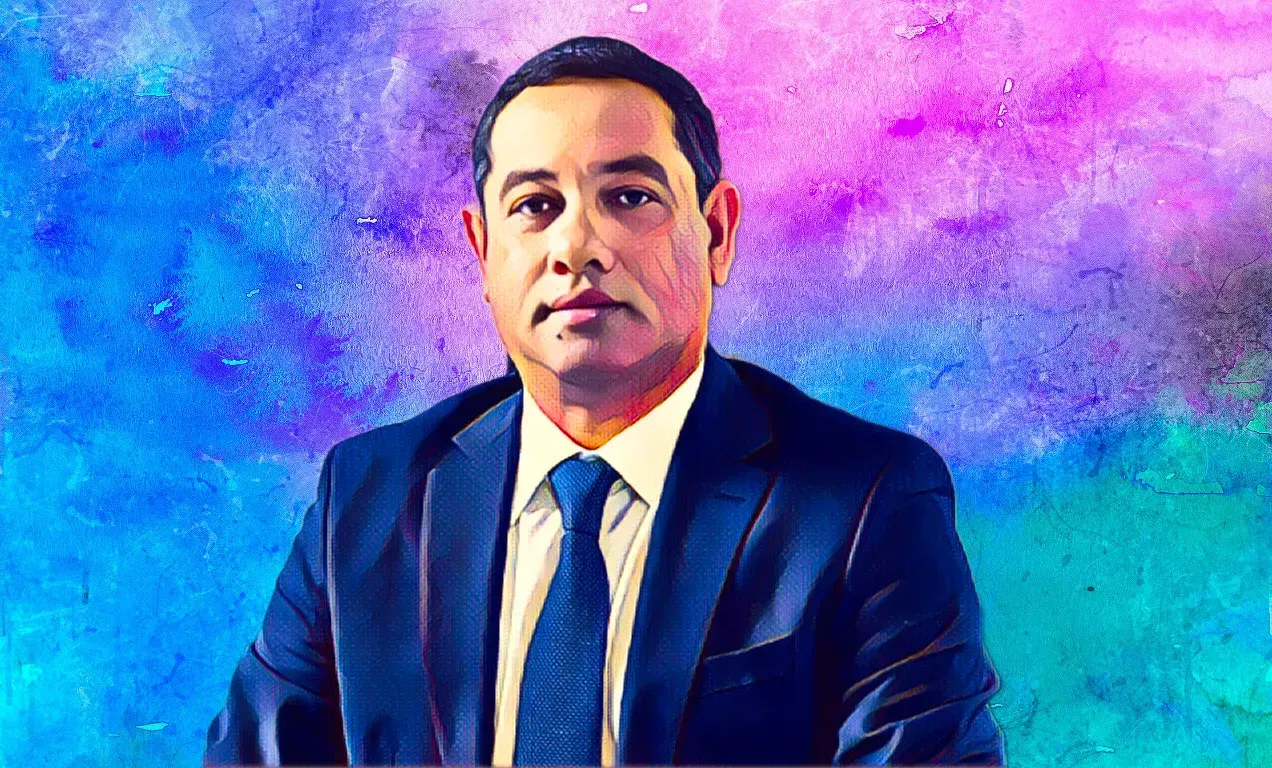
Salimo Abdula told a gathering of government officials and financiers in Maputo on Thursday, Sept. 24 that Islamic finance should be treated as a commercial opportunity for Mozambique rather than a religious alternative to conventional banking.
The founder of Intelec Holdings was speaking at the launch of a book called Introduction to Islamic Finance: Principles, Contracts and Models of Intermediation.
Finance should be understood as an opportunity for the market and the country, he said, a way of diversifying funding sources, promoting productive investment, strengthening financial inclusion and bringing capital closer to the real economy.
What he wants is more doors. Abdula described the instruments as an addition to the financial alternatives already available in Mozambique, and said the rules had been well explained, with sharia setting out its main principles.
He also identified the obstacle. The country needs to spread knowledge of how these products work, he said, among the general population and within the Muslim community itself, where there is still considerable unfamiliarity with what Islamic finance means. Regulation is coming, and the regulator has it in mind.
Mozambican law already recognises the model, classifying it as participatory finance.
One bank has been there for a decade. Edson Manguinhane, executive director of Banco Nacional de Investimento, said the state investment bank raised its first Islamic finance facility in 2016 through the Islamic Corporation for the Development of the Private Sector, structured as a murabaha contract, a cost-plus arrangement in which the bank buys an asset and resells it to the client at an agreed margin instead of charging interest. The money went to small and medium enterprises buying equipment.
Doing it was difficult. Mozambique had no specific framework for participatory finance at the time, Manguinhane said, which forced the bank and its partners to improvise a structure that worked.
He listed what is still missing. Specific and autonomous regulation covering governance, compliance, prudential standards and taxation, he said, is needed to ensure banks and insurers offering these products actually comply. Some Islamic financing models also carry extra tax costs compared with conventional banking, which he said could make the products less competitive.
The bank ran into the same problem Abdula named. Customers, including within the Islamic community, often did not understand the products well enough to use them, Manguinhane said, and financial education should be built into a wider inclusion strategy starting in the early years of schooling.
Bilal Seedat, a tax consultant and member of the Muslim Association of Businessmen and Entrepreneurs of Mozambique, said the association has been active in the process since the book was published rather than observing it.
Participants agreed on one caution. A large Muslim population does not on its own guarantee that Islamic finance will take hold, they said, because the model also needs suitable products, knowledgeable operators and clients, clear regulation, and conditions that let it sit inside the national financial system.
Abdula founded Intelec Holdings in 1997 and built it across energy, oil and gas, telecommunications, agriculture, textiles, finance, construction, mining and tourism, employing more than 2,000 people. He returned as chairman of Vodacom Mozambique on July 1 for a three-year term, his second stint in the role, and is a former president of the country's business confederation, the CTA.
Mozambique's prime minister, Benvinda Levi, backed the same idea the following day, asking how the country could responsibly use Islamic finance for national development and pointing to small businesses, farmers, cooperatives and young entrepreneurs as the borrowers it could reach.
The intelligence satisfies curiosity. The paid briefings satisfy strategy.
Every Monday, Elite subscribers receive an Investor Memo breaking down the deal, the structure and the positioning behind the week's most consequential African wealth story - the kind of analysis that doesn't appear anywhere else.
Twice a month, a Wealth Intelligence brief profiles a single billionaire's holdings, cash flows and expansion pipeline in detail no public source matches.
→ Executive ($25/mo): Daily newsletter + Deep-Dive Reports
→ Elite ($75/mo): Everything above + Investor Memos + Wealth Intelligence + Quarterly Analyst Briefings
Subscribe now