

Table of Contents
The first payments have landed under Mark Shuttleworth's scheme to pay the residents of Príncipe to protect their island, and nobody has earned what the scheme advertises.
His Faya Foundation began offering the money in February. Any adult on the island who signs a written pledge to avoid environmentally damaging activity, such as extracting sand from the beaches or logging without authorisation, can receive up to 6,250 dobras a quarter, about $290, which works out at roughly $3.20 a day.
Ermelindo Mendes received 900 dobras.
The 23-year-old technician from the village of Monte Alegre told AFP he had just been paid for his first quarter. At 900 dobras it is definitely not a salary, he said, but it will help. The sum comes to about $42 for three months, or roughly 46 cents a day, and it is 14% of the maximum the foundation advertises.
Nobody has done better. Vik Michau, a sociologist working for the foundation, said data monitoring shows the natural environment is not yet in an optimal state, and that to earn more, residents need to reforest the island and make what he called better choices regarding the natural environment.
The dividend is conditional, and the condition has not been met.
What the island is worth to him
Príncipe covers 140 square kilometres in the Gulf of Guinea and holds about 10,000 people. The whole island is a UNESCO biosphere reserve, its forests and beaches carry species found nowhere else, and roughly 15,000 tourists come every year.
Many of them stay with Shuttleworth. His HBD group, short for Here Be Dragons, runs four hotels across São Tomé and Príncipe, and a night in one can cost up to $1,700. Wander Dias de Sousa Pires, who heads the Príncipe tourist board, said most visitors come looking for nature, tranquillity and peace.
That is the asset the dividend is designed to preserve, and the pricing tells you what it is worth. One night at the top rate is about 41 times what Mendes received for three months of protecting the island. Measured against the maximum anyone can earn, $1,160 a year, a single night costs roughly eighteen months of the dividend.
The foundation's reasoning is straightforward enough. Residents are nature's principal guardians, Michau said, and the business needs them on its side.
Why $290 would have mattered
São Tomé and Príncipe is among the poorest countries in the world. World Bank data from 2017, the most recent available, found 45% of the population living on less than $3.60 a day.
Against that, the advertised dividend of $3.20 a day would have been transformative, close to doubling the income of nearly half the country. The 46 cents a day actually paid to Mendes is not.
Conceição Moreno, a 46-year-old member of parliament, declined to join the programme at all.
He told AFP he was wary of the relationship of domination it might create, and that the amounts paid are too insignificant to affect a family's survival. The foundation should have partnered with the government to deliver social progress and infrastructure that would guarantee the island's development, he said.
His description of life on Príncipe is the counterweight to the tourist board's. People who come here look at the scenery and call it paradise, Moreno said, but those who live here see the suffering. The cost of living is very high, there is no access to quality healthcare or education, and the roads and most of the infrastructure are falling apart.
A sitting legislator publicly refusing the money is new. So is the answer he got.
Where the money stops
Michau said Moreno had misunderstood what the foundation is doing. The dividend is not a salary, he said, and charity cannot replace the state.
He went further, and it is the clearest statement yet of where Shuttleworth believes his obligation ends. The foundation is a private organisation rather than the government, Michau said, and it has drawn a very clear line between what falls within the government's remit, what the foundation does on the island, and where it can help.
That line is the whole argument. Shuttleworth is not offering to fund Príncipe's hospitals, schools or roads. He is offering to pay individuals not to damage the scenery his hotels sell, and only to the extent that the scenery improves.
The man behind it
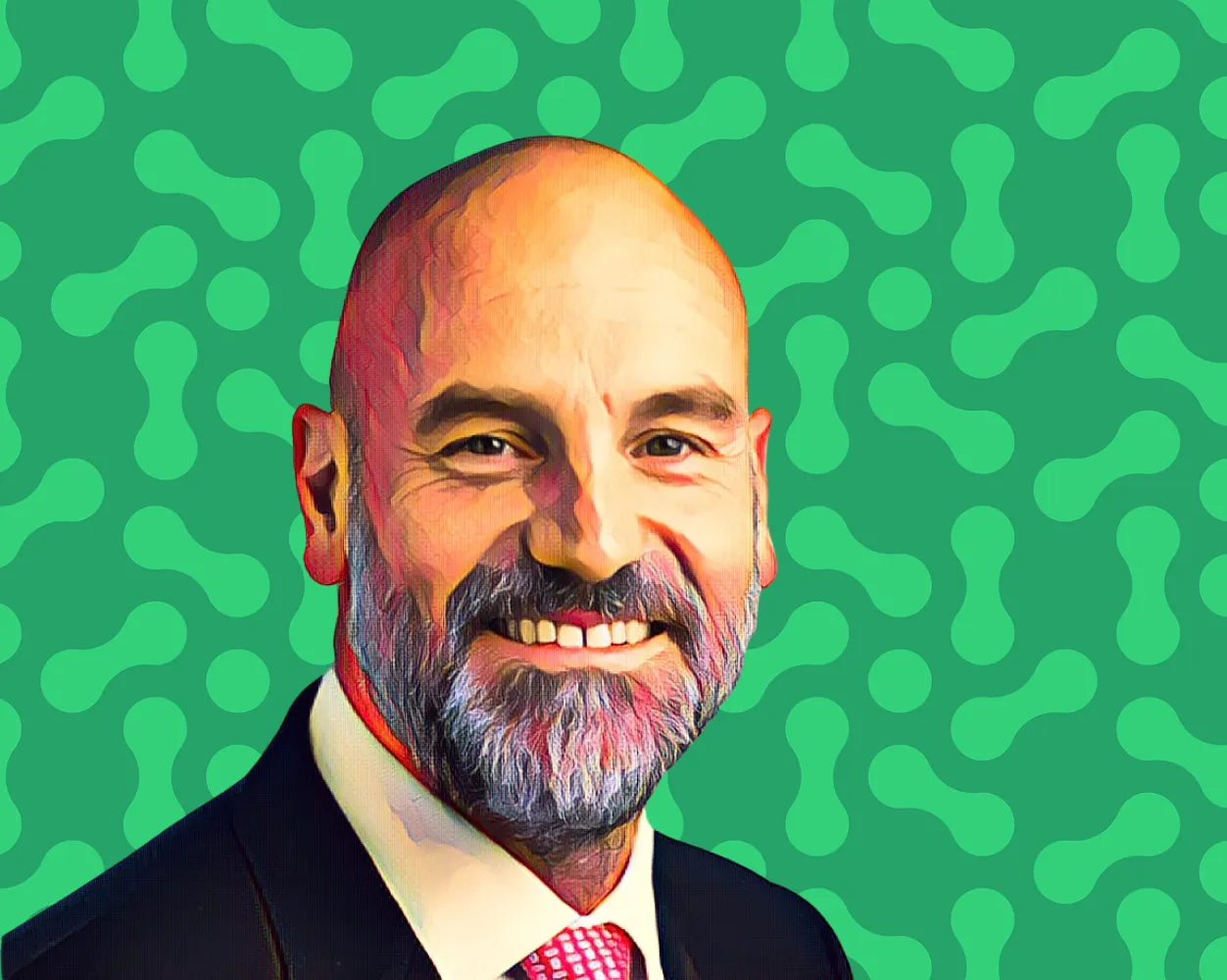
Shuttleworth sold his internet security company Thawte to VeriSign in 1999 for about $575 million, when he was 26.
He used the money to found Canonical, the British company behind the Ubuntu operating system that runs on much of the world's cloud computing infrastructure, and to buy a seat on a Russian Soyuz rocket in 2002, becoming the first African in space at a reported cost of $20 million.
He has spent more than a decade building his tourism model on Príncipe, aimed at a wealthy foreign clientele and built on the argument that keeping the island intact is worth more than exploiting it.
The dividend is that argument applied to the people who live there. Whether it works depends on residents reforesting an island on 46 cents a day, and on a foundation deciding when the forest looks good enough to pay for.
The intelligence satisfies curiosity. The paid briefings satisfy strategy.
Every Monday, Elite subscribers receive an Investor Memo breaking down the deal, the structure and the positioning behind the week's most consequential African wealth story - the kind of analysis that doesn't appear anywhere else.
Twice a month, a Wealth Intelligence brief profiles a single billionaire's holdings, cash flows and expansion pipeline in detail no public source matches.
→ Executive ($25/mo): Daily newsletter + Deep-Dive Reports
→ Elite ($75/mo): Everything above + Investor Memos + Wealth Intelligence + Quarterly Analyst Briefings
Subscribe now