

Table of Contents
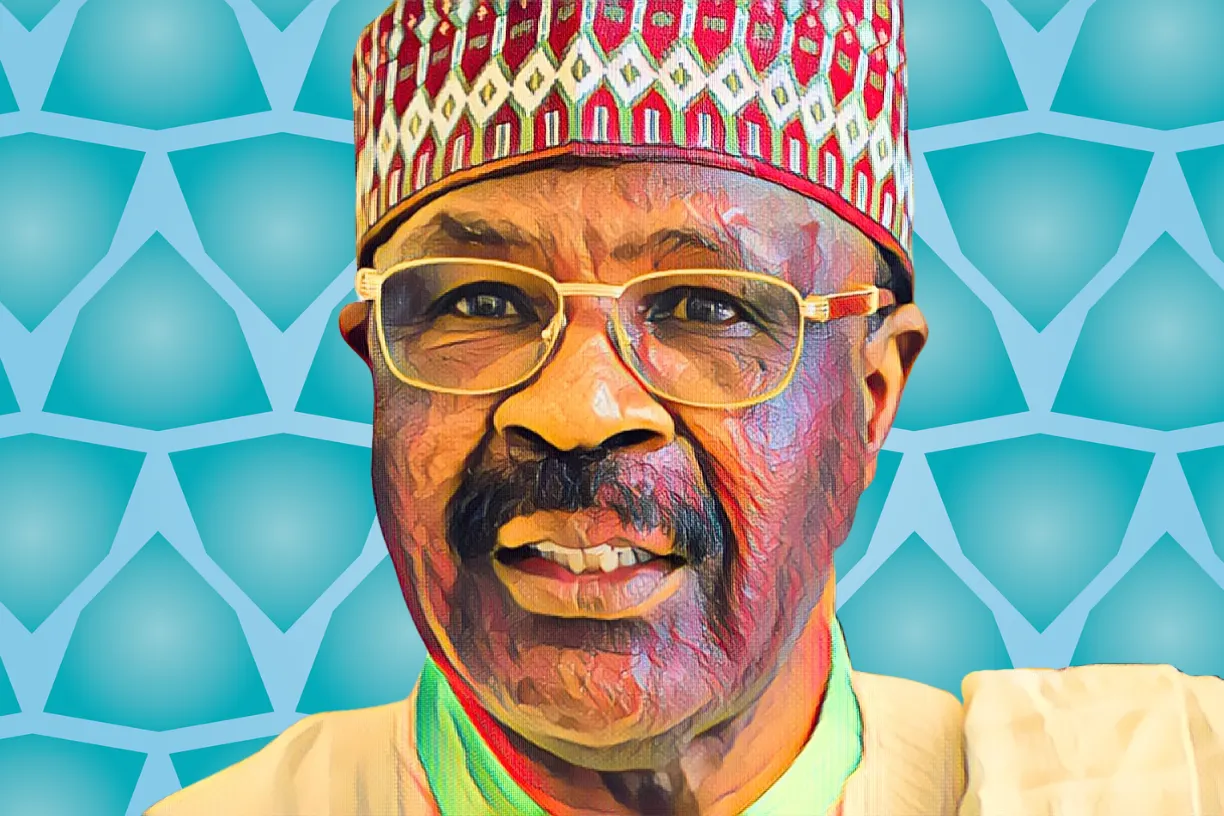
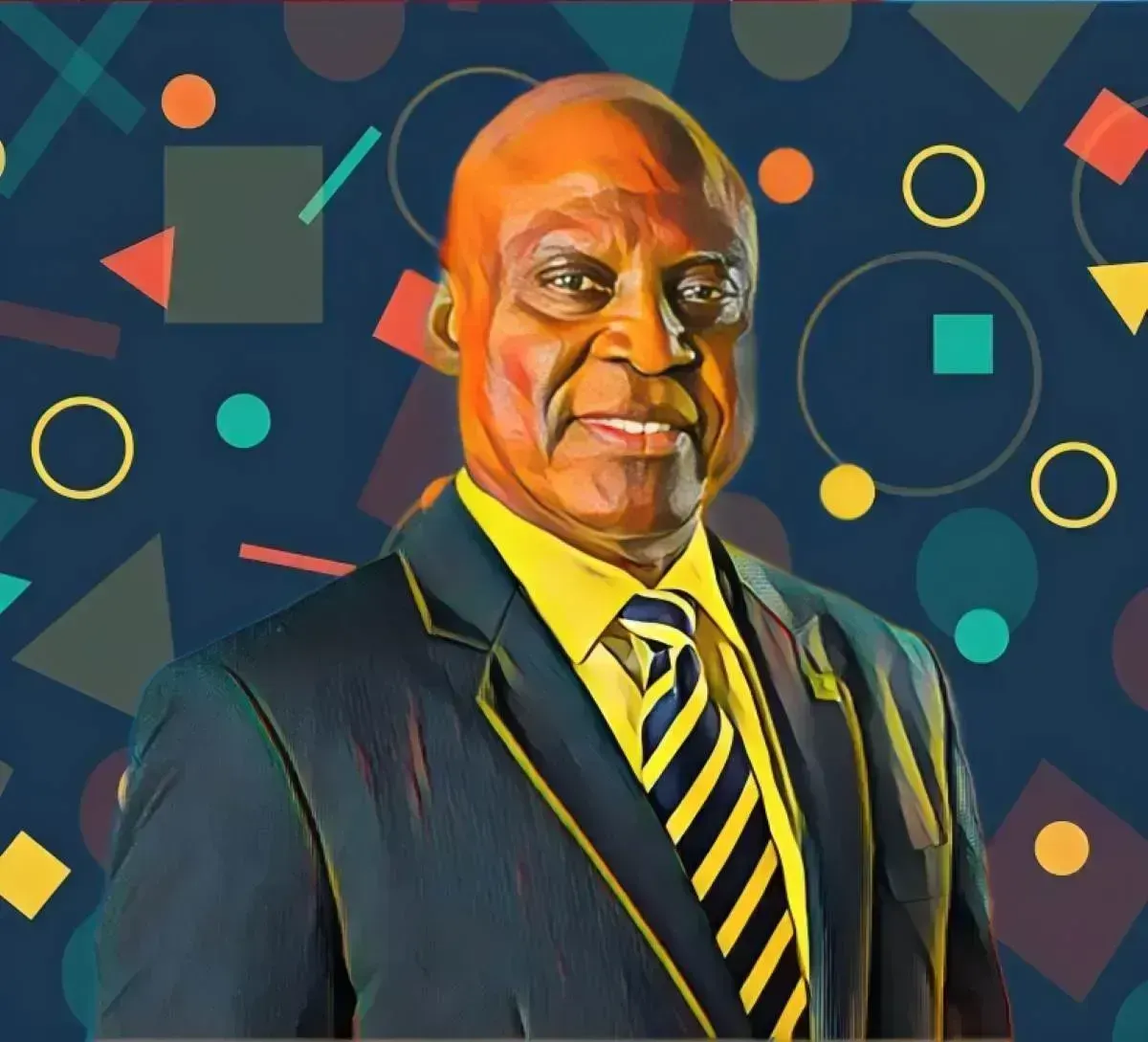
Fidson Healthcare, the Nigerian drugmaker founded by businessman Fidelis Ayebae, has been chosen to develop and manufacture a generic version of baloxavir marboxil, an influenza treatment made by Swiss pharmaceutical company Roche.
Fidson is one of 11 manufacturers in nine countries selected under a voluntary licensing agreement between Roche and the Medicines Patent Pool, a United Nations-backed public health organization, Premium Times reported. The selected companies are in Brazil, China, India, Indonesia, Malaysia, Nigeria, Uganda, Ukraine and Vietnam. The patent pool announced the sublicences on Sept. 25.
Under the arrangement, Fidson will be able to make and supply generic baloxavir in the 129 countries covered by the licence, once it receives regulatory approval. The manufacturers will get access to technical data and reference products for the tests needed to show their versions work the same way as the original, along with other support for development and approval.
The patent pool said it chose the companies through an open process, after assessing their technical and regulatory capacity and their commitment to producing quality-assured medicines.
Building supply before the next pandemic
The arrangement is meant to build manufacturing capacity before a health emergency rather than during one. The patent pool said spreading production across several regions would move supply closer to the people who need the medicine and make it less vulnerable to disruption.
"By combining global manufacturing capacity with regionally focused production, we are helping build a more geographically diverse and resilient supply base for the future," said Charles Gore, the organization's executive director.
Fidson's managing director and chief executive officer, Biola Adebayo, called the selection "both an honour and a validation" of the company's commitment to quality-assured manufacturing. "As an African healthcare company, we are proud to contribute to global efforts aimed at strengthening regional health security," he said.
From importer to manufacturer
The deal is the latest milestone for a company Ayebae built over three decades. He founded Fidson in March 1995 as a distributor of pharmaceutical products. About a year later, it began importing finished medicines under its own brand, and in July 2002 it opened its first local manufacturing plant.
That shift from trading to production made Fidson one of Nigeria's leading drugmakers. In 2005, it became the first company in Nigeria and sub-Saharan Africa to manufacture antiretroviral drugs for people with HIV locally.
Ayebae did not start out in medicine. He earned a diploma in civil engineering from the Mainland Institute of Technology in 1976, and later an advanced diploma in business administration from the University of Lagos. Before founding Fidson, he worked as an assistant general manager at Nigeria International Bank, which later became Citibank Nigeria, and as a project manager at Metalum Limited.
He ran Fidson as chief executive for many years before handing over day-to-day leadership, and he has also served as chairman of NEM Insurance. His wife, Olufunke Ayebae, is a director of Fidson.
A stake worth about $48 million
Ayebae owns 33.1% of Fidson, or about 759.6 million shares. At Monday's price of ₦85 a share, that stake is worth about ₦64.6 billion, or roughly $48.5 million. Its value has more than doubled since November 2025, when it first passed $21 million, as investors kept buying into Nigerian pharmaceutical stocks.
The baloxavir licence gives Fidson a foothold in global efforts to prepare for flu pandemics and a chance to sell beyond Nigeria. It will still need to complete development work and win regulatory approval in each market before it can sell the drug.
The intelligence satisfies curiosity. The paid briefings satisfy strategy.
Every Monday, Elite subscribers receive an Investor Memo breaking down the deal, the structure and the positioning behind the week's most consequential African wealth story - the kind of analysis that doesn't appear anywhere else.
Twice a month, a Wealth Intelligence brief profiles a single billionaire's holdings, cash flows and expansion pipeline in detail no public source matches.
→ Executive ($25/mo): Daily newsletter + Deep-Dive Reports
→ Elite ($75/mo): Everything above + Investor Memos + Wealth Intelligence + Quarterly Analyst Briefings
Subscribe now