

Table of Contents
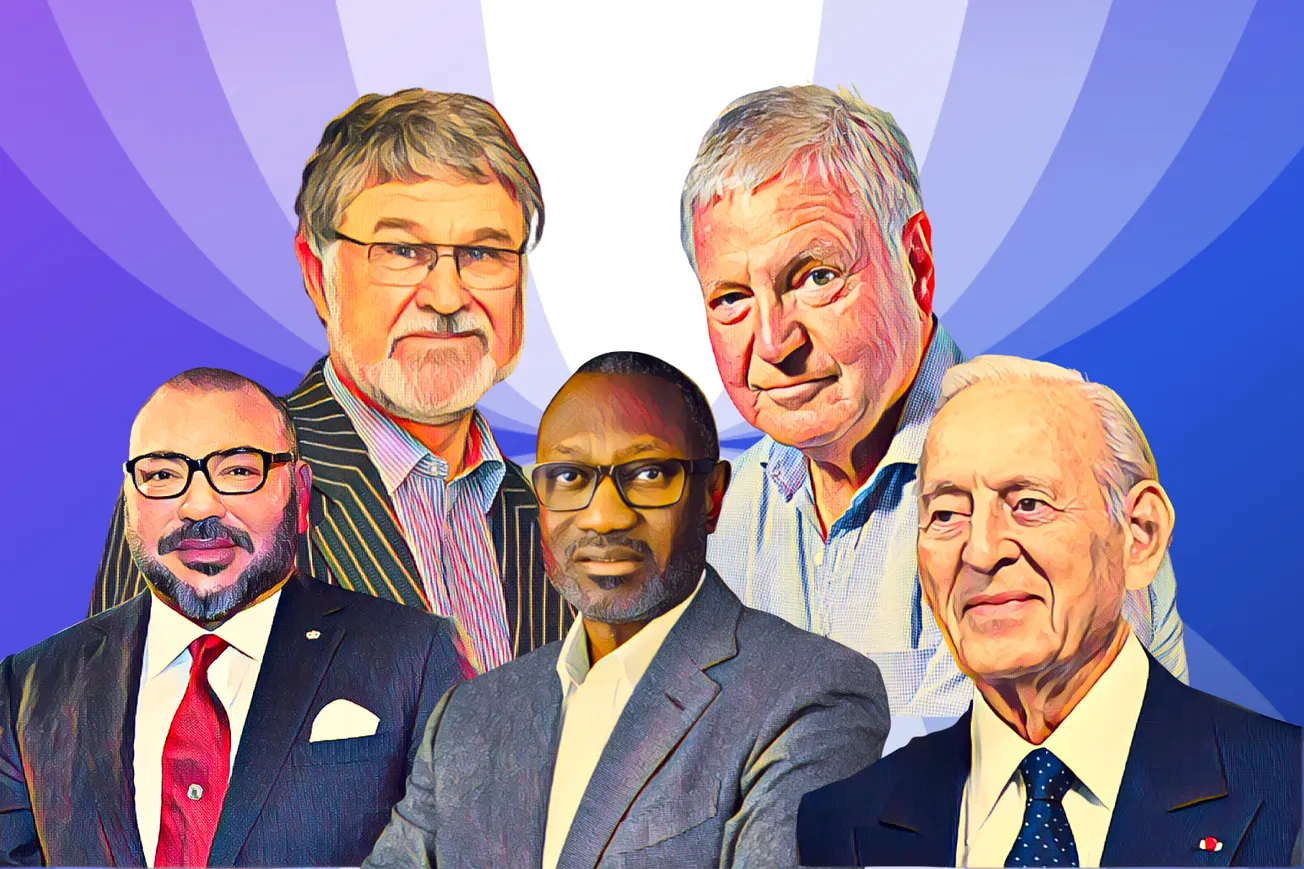
Five African billionaires hold stakes worth a combined $14.3 billion in four of the continent's 10 most valuable banks, according to a Billionaires.Africa analysis of shareholder filings and share prices.
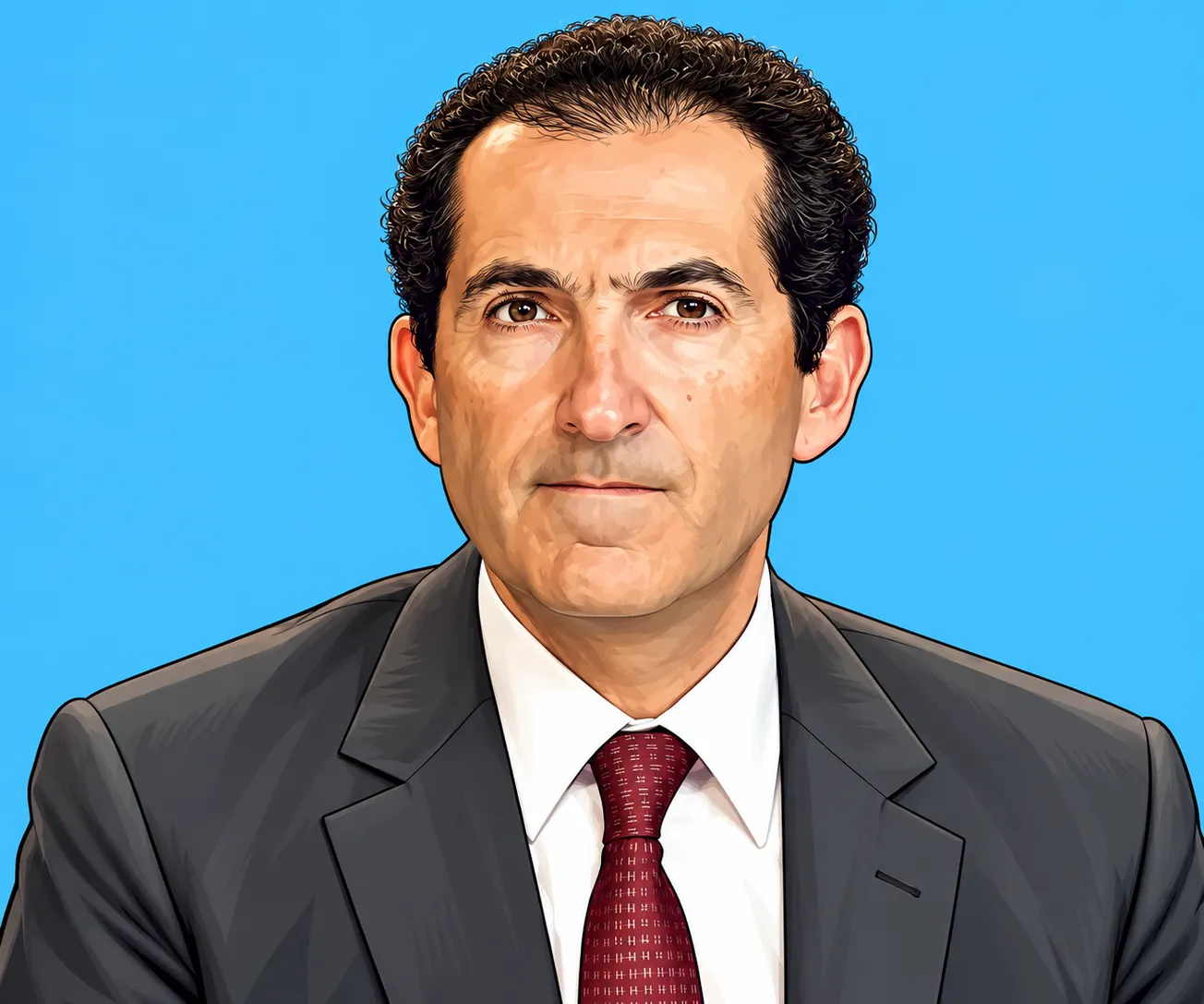
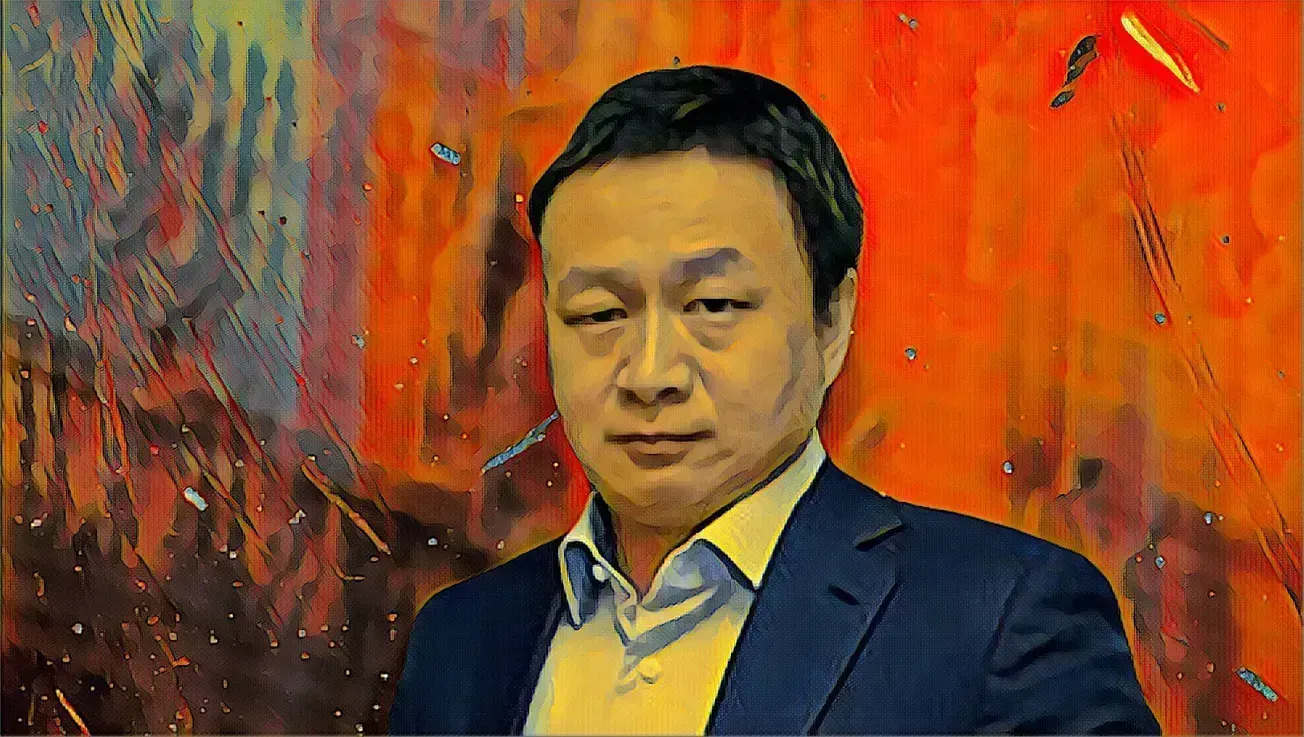
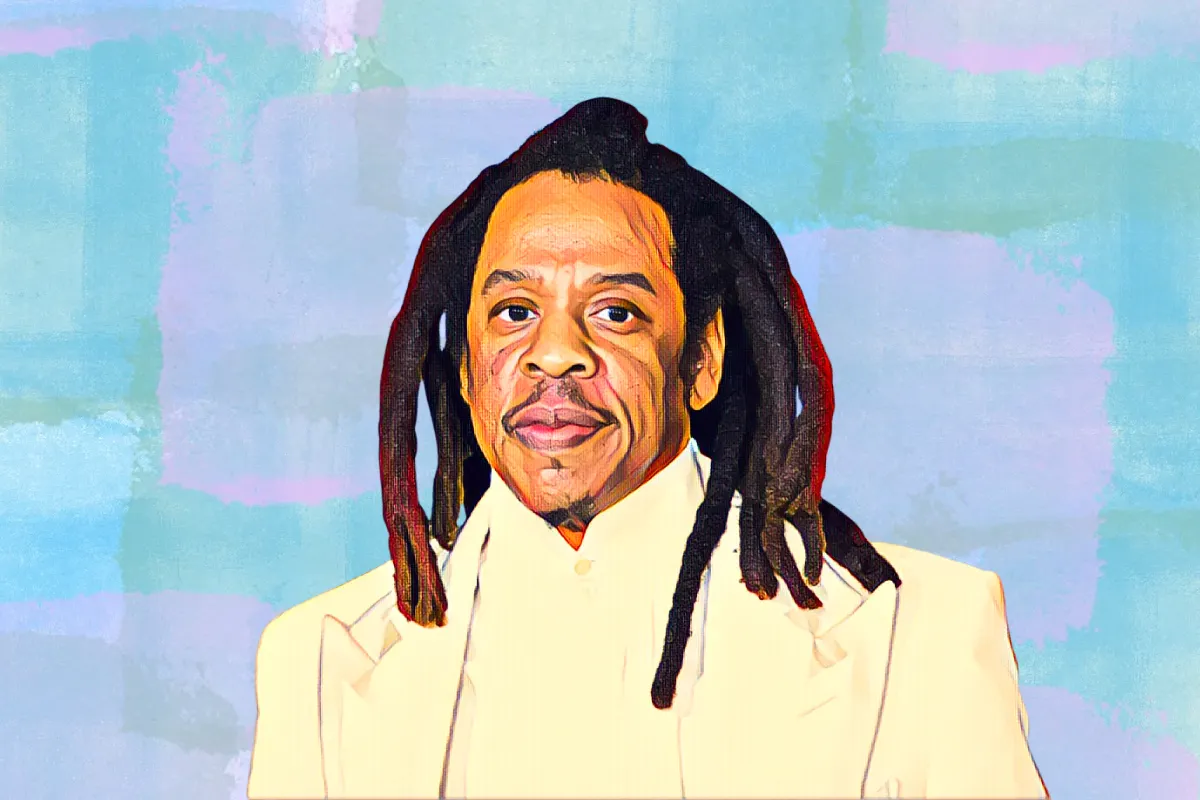
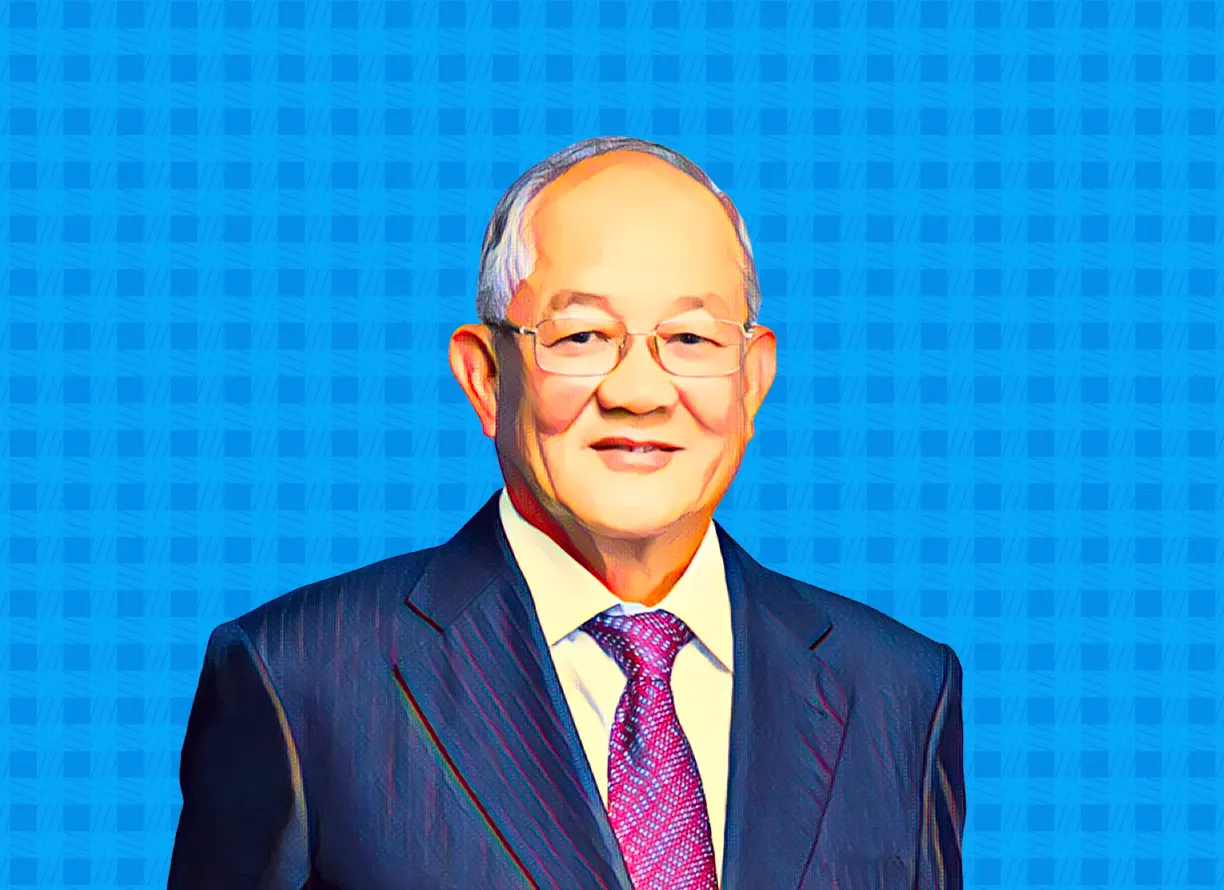
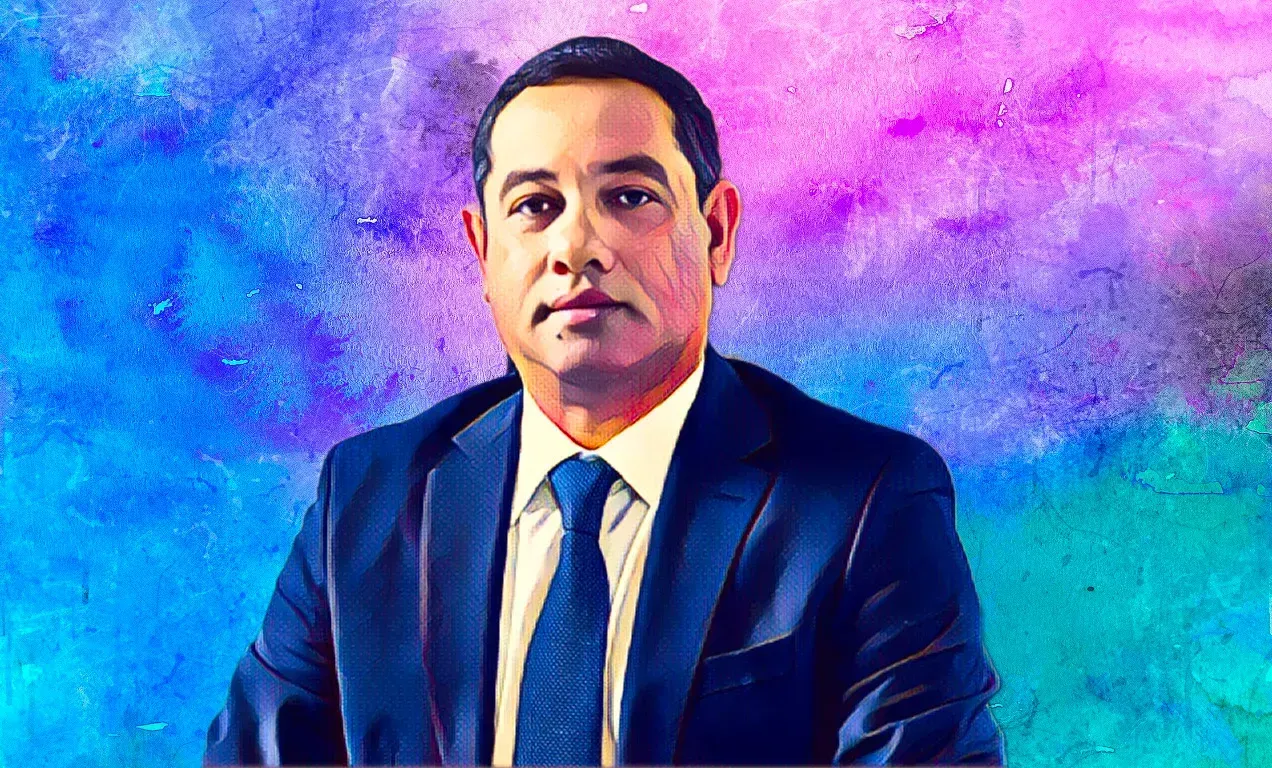
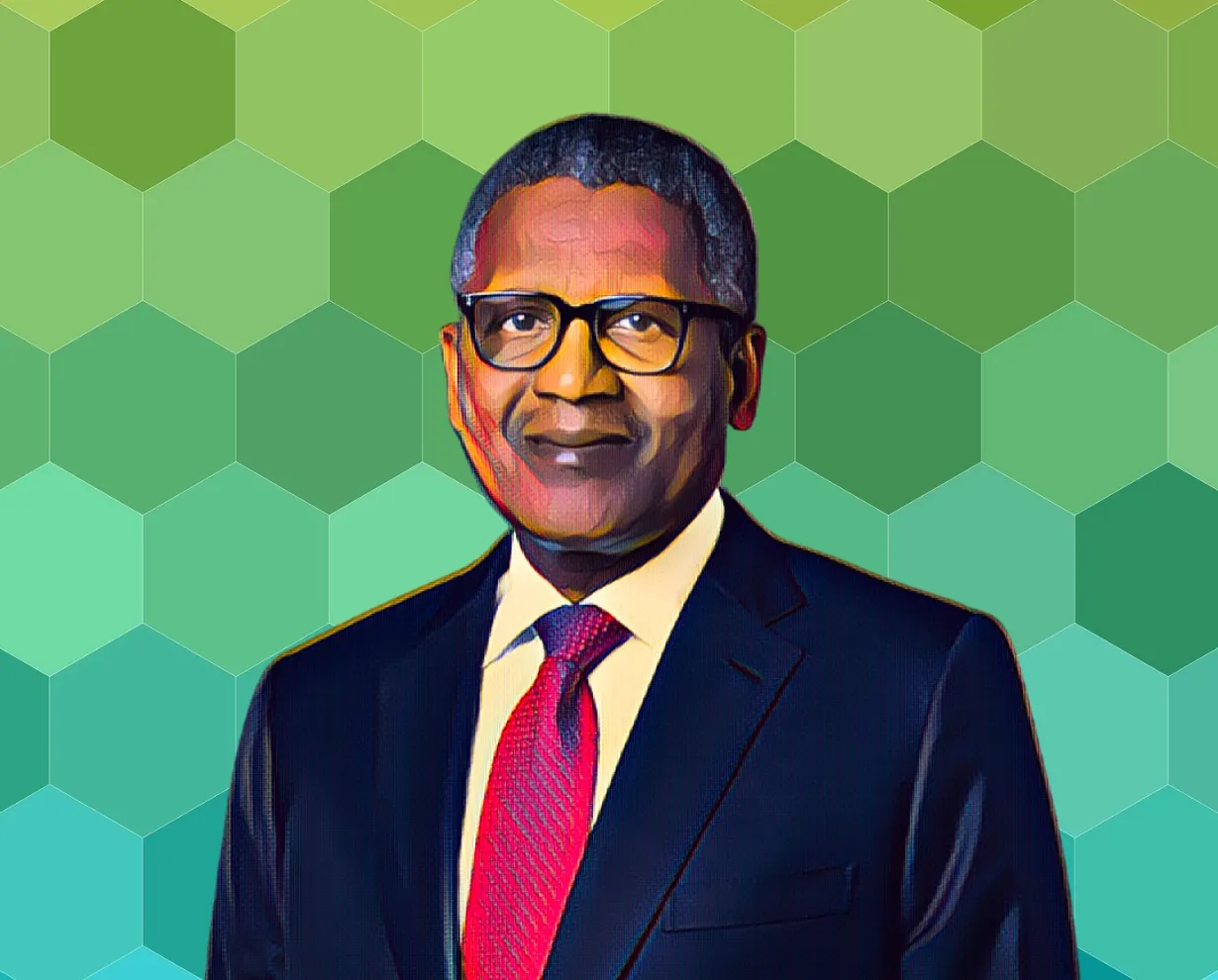
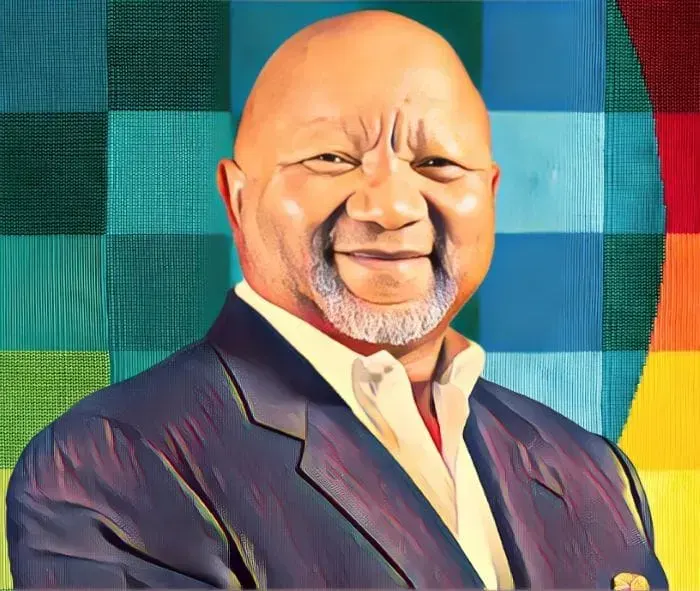
The largest of the holdings belongs to Morocco's King Mohammed VI, whose family's investment company, Al Mada, owns 46.5% of Attijariwafa Bank, North Africa's biggest lender. South Africa's Michiel le Roux and Jannie Mouton are the two largest individual investors in Capitec Ltd., Africa's most valuable lender. Moroccan banker Othman Benjelloun controls Bank of Africa through his family's holding companies, and Nigerian billionaire Femi Otedola has spent five years building the biggest stake in First HoldCo, the parent of First Bank of Nigeria.
The other six banks on the list, which together with these four are worth more than $140 billion, are owned mostly by pension funds, asset managers, foreign banks and the state. South Africa's Public Investment Corp., which manages the savings of government workers, is the largest shareholder in FirstRand Ltd., Absa Group Ltd. and Nedbank Group Ltd., while China's Industrial and Commercial Bank of China Ltd. owns about a fifth of Standard Bank Group Ltd. Banque Centrale Populaire in Morocco is controlled by its regional cooperative banks, and Commercial International Bank in Egypt counts an Abu Dhabi sovereign fund as its biggest investor.
Africa's 10 largest banks by market value
| Rank | Bank | Country | Market value | Billionaire shareholder |
|---|---|---|---|---|
| 1 | Capitec | South Africa | $30 billion | Michiel le Roux (11.3%), Jannie Mouton family trust (5.1%) |
| 2 | FirstRand | South Africa | $30 billion | None |
| 3 | Standard Bank Group | South Africa | $29 billion | None |
| 4 | Attijariwafa Bank | Morocco | $14 billion | King Mohammed VI (46.5% through Al Mada) |
| 5 | Absa Group | South Africa | $11 billion | None |
| 6 | Commercial International Bank | Egypt | $8 billion | None |
| 7 | Nedbank Group | South Africa | $7.8 billion | None |
| 8 | First HoldCo | Nigeria | $5.1 billion | Femi Otedola (26.7%) |
| 9 | Banque Centrale Populaire | Morocco | $5.1 billion | None |
| 10 | Bank of Africa | Morocco | $4.2 billion | Othman Benjelloun (34.6% through RMA and O Capital) |
Michiel le Roux: the founder of Africa's most valuable bank
Le Roux owns about 13.16 million Capitec shares, or 11.3% of the bank, worth about 55.2 billion rand, or $3.3 billion, at the Oct. 9 closing price of 4,194.56 rand. The holding accounts for most of his $3.8 billion fortune, which ranks him 10th on Forbes' 2026 list of Africa's billionaires.
He co-founded Capitec in 2001 with Riaan Stassen and PSG Group, the investment company built by Mouton, after leaving Boland Bank, where he had been managing director. Capitec started as a lender to South Africans the big banks had largely ignored and built its retail bank around low fees, long branch hours and a single everyday account. Le Roux was chief executive until 2004 and chairman from 2007 to 2016, and he remains on the board as a non-executive director.
That model turned Capitec into the country's biggest bank by customers. It had 26.6 million active clients at the end of August, and its headline earnings rose 19% to 9.5 billion rand, or about $570 million, in the six months to Aug. 31. Its return on equity was 31% in the year to February.
Capitec has changed shape in the past seven years. It bought Mercantile Bank in 2019 for 3.56 billion rand to move into business banking, a unit that now serves 686,000 clients. In 2020, PSG handed most of its Capitec shares directly to its own investors, removing the anchor shareholder that had backed the bank since its founding. Capitec overtook FirstRand as Africa's most valuable bank in August 2025, and on Aug. 1 this year it changed its name from Capitec Bank Holdings to Capitec Ltd. to reflect a business that now includes insurance, mobile services and lending outside South Africa. Its market value of about 487 billion rand, or $29.2 billion, is roughly level with FirstRand's.
In July, a company linked to le Roux, Kalander Sekuriteit, pledged 1.37 million Capitec shares worth about 6.56 billion rand, or $394 million, as collateral for a hedging and refinancing arrangement.
Jannie Mouton: the backer who stayed
Mouton's family trust owns about 5.1% of Capitec, or about 5.9 million shares, worth about 24.8 billion rand, or $1.5 billion. Forbes values the Mouton family's fortune at $2.7 billion, ranking him 13th in Africa. The family trust also owns about 13% of PSG Financial Services, the wealth and asset management firm that grew out of his old group.
Mouton, who was born in 1946, trained as a chartered accountant and co-founded the stockbroking firm Senekal, Mouton & Kitshoff in 1982. His partners fired him in August 1995, at the age of 48, after he pushed to turn the firm into an investment bank. Three months later, he and Chris Otto paid 3.5 million rand for 51% of PAG, a small listed recruitment company. They sold its placement business in 1997 for 107 million rand and used the money to build PSG Group into an investment company.
Capitec grew out of PSG's microlending business. PSG had the cash, a banking licence and an appetite for lending to low-income South Africans, and it owned 58% of Capitec when the bank listed in 2002. The shares fell below 1 rand later that year after the collapse of Saambou Bank set off a run on smaller lenders, but PSG held on. Le Roux has credited Mouton's involvement in those early years as crucial to Capitec's survival.
PSG unbundled 26.4% of Capitec to its own shareholders in August 2020, and in 2022 it broke itself up, handing shares in its remaining listed investments to investors and delisting from the Johannesburg Stock Exchange. Mouton's family trust kept its own Capitec stake through both moves.
He stepped down as PSG's chairman in 2018 after disclosing that he had been diagnosed with early-stage dementia, and his son Piet now leads the group. Last year, the Jannie Mouton Foundation, the charity he set up in 2017, agreed to spend 7.2 billion rand, or about $432 million, to take private school operator Curro off the stock market.
King Mohammed VI: the royal stake in North Africa's biggest bank
Al Mada, the investment company controlled by the Moroccan royal family, owns about 100 million shares of Attijariwafa Bank, or 46.5%. At the Casablanca closing price of 667.80 dirhams on Oct. 12, the stake is worth about 66.8 billion dirhams, or $6.8 billion, making it the most valuable single holding in any of Africa's 10 largest banks. The king's exact share of Al Mada has never been made public. Forbes, which ranked him among Africa's billionaires in 2014 and 2015 on the strength of the royal holding company, valued his fortune at $5.7 billion in 2015.
Attijariwafa was created in 2004 by the merger of Banque Commerciale du Maroc, founded in 1911 and then controlled by the royal family's ONA group, and Wafabank, which BCM had taken over the year before. Mohamed El Kettani has been its chairman and chief executive since 2007, and he has turned the bank into Morocco's largest lender and a pan-African group with operations in 27 countries and more than 12 million clients, from francophone West Africa to Egypt, where it bought Barclays' local unit in 2017. Spain's Banco Santander owns 5.1%, and Moroccan pension funds and insurers hold much of the rest.
Al Mada itself has been reshaped. It was formed from the 2010 merger of the royal family's two holding companies, ONA and Société Nationale d'Investissement, which were both taken off the Casablanca exchange, and it adopted its current name in 2018. It holds stakes in businesses ranging including mining group Managem and telecoms operator Inwi. Noufissa Kessar became Al Mada's chief executive in January, the first woman to run the company, after the death of Hassan Ouriagli. Attijariwafa paid a dividend of 22 dirhams a share for 2025, worth about 2.2 billion dirhams, or $224 million, to Al Mada.
Othman Benjelloun: Morocco's banking patriarch
Benjelloun, who is in his 90s, controls 34.6% of Bank of Africa through two family companies. His insurer RMA owns 27.4% of the bank, and his holding company O Capital Group owns another 7.2%. At the Casablanca share price of 182 dirhams on Oct. 12, those holdings are worth about 13.9 billion dirhams, or $1.4 billion. Forbes values the Benjelloun family's fortune at $1.7 billion.
Born in Fez and trained as an engineer in Switzerland, Benjelloun built his fortune in insurance. In 1988 he took over the insurer in which his father had held shares and turned it into RMA, now one of Morocco's largest. He also chairs Orange's Moroccan mobile operator and has led the country's banking association since 1995.
His control of the bank goes back to 1995, when Morocco privatized Banque Marocaine du Commerce Extérieur, the state trade bank founded in 1959, and a group led by RMA bought it. Benjelloun has been chairman ever since and is also chief executive.
He took the bank south. BMCE bought 35% of Bank of Africa, a lender founded in Mali in 1982, in 2008, took majority control in 2010 and later renamed the whole group after it. Bank of Africa now operates in 32 countries with about 6.6 million clients. France's Crédit Mutuel Alliance Fédérale owns 24.6% and Morocco's state investment fund, CDG, holds 8.3%. Britain's development finance agency bought 5% in 2019 for $200 million and has since cut its stake to 2.5%.
The bank earned 2.5 billion dirhams, or about $255 million, in the first half of 2026, up 10% from a year earlier. Its shares have fallen about 20% over the past 12 months, cutting its market value to about $4.1 billion.
Morocco's banking rules have changed significantly over that period. A 2015 banking law allowed Islamic banks for the first time and gave the central bank, Bank Al-Maghrib, new powers to oversee risks across the financial system. Morocco was removed from the Financial Action Task Force's gray list of countries under extra monitoring for money laundering in February 2023.
Femi Otedola: the chairman who keeps buying
Otedola owns about 12.15 billion shares of First HoldCo, about 26.7% of the company, through direct holdings and his investment vehicle Calvados Global Services. At the Oct. 12 price of 140 naira, the stake is worth about 1.7 trillion naira, or $1.28 billion. He is the largest shareholder in a bank founded in 1894, Nigeria's oldest.
He has said he has put more than 600 billion naira, about $450 million, of his own money into the shares, including 222 billion naira, or $167 million, in a single block purchase in July. He has said he wants to own more than half of the company, although crossing 30% would require him to make an offer to all shareholders.
Otedola, 63, made his fortune in diesel distribution and fuel retailer Forte Oil, which he exited in 2019, and sold 77% of Geregu Power for about $750 million in December 2025. Forbes estimated his fortune at a record $2 billion in September.
His path to control of the bank ran through one of the longest boardroom fights in Nigerian banking. In April 2021, the Central Bank of Nigeria dissolved the group's boards and removed Chairman Oba Otudeko, citing insider loans and governance failures. Otedola disclosed a 5.07% stake six months later, became chairman in January 2024 and spent the next 18 months fighting Otudeko and Tunde Hassan-Odukale, two longtime shareholders. That ended in July 2025, when companies linked to the two men sold 10.43 billion shares to RC Investment Management, a firm approved by the central bank to hold the block.
The bank has been rebuilt during his tenure. It raised about 150 billion naira, or $113 million, in a 2024 rights issue, renamed itself First HoldCo in March 2025 and sold its merchant banking unit. FirstBank met the central bank's new 500 billion naira, or $375 million, minimum capital requirement for internationally licensed banks in January, ahead of the March deadline. The same month it disclosed a one-time charge of 748 billion naira, or $562 million, on old bad loans, which Otedola said was done "to admit old bad loans instead of pretending they do not exist."
Profit before tax rose 84% to 653.5 billion naira, or $491 million, in the first half of 2026, and the board adopted a policy in July to pay out at least 60% of annual profit as dividends. On Sept. 21, First HoldCo became one of six Nigerian companies added to the FTSE Frontier 50 Index after FTSE Russell restored Nigeria's frontier market status. The other five are Zenith Bank, Guaranty Trust Holding Co., Dangote Cement, MTN Nigeria and Aradel Holdings.
Stake values are based on the latest available share prices and exchange rates of 16.66 rand, 9.82 dirhams and 1,331.69 naira to the dollar.
The intelligence satisfies curiosity. The paid briefings satisfy strategy.
Every Monday, Elite subscribers receive an Investor Memo breaking down the deal, the structure and the positioning behind the week's most consequential African wealth story - the kind of analysis that doesn't appear anywhere else.
Twice a month, a Wealth Intelligence brief profiles a single billionaire's holdings, cash flows and expansion pipeline in detail no public source matches.
→ Executive ($25/mo): Daily newsletter + Deep-Dive Reports
→ Elite ($75/mo): Everything above + Investor Memos + Wealth Intelligence + Quarterly Analyst Briefings
Subscribe now