

Table of Contents
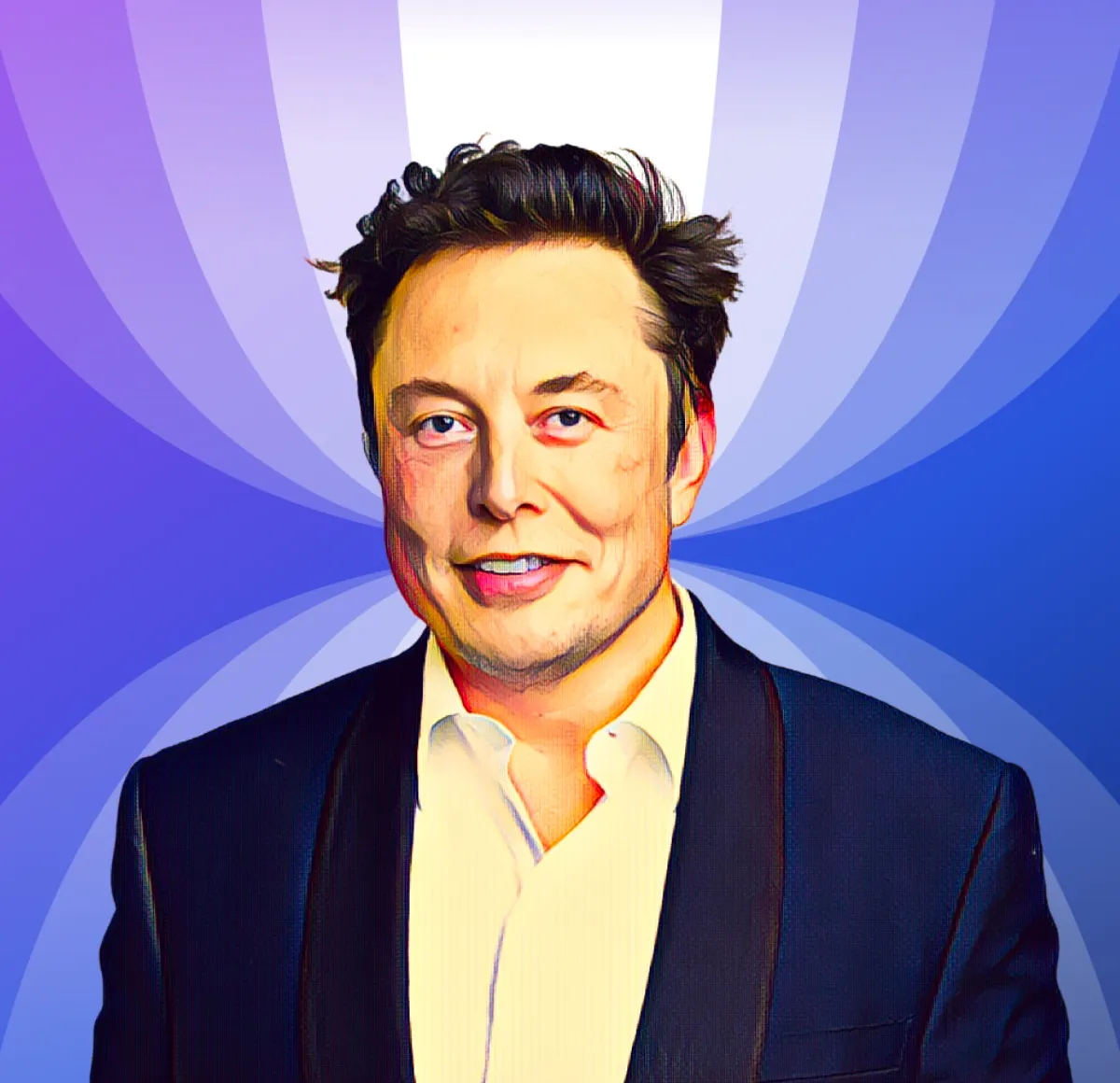
American billionaire Elon Musk's promise to give one SpaceX share to every child in the U.S. could let him hand over about $10.7 billion of stock without paying the roughly $2.6 billion in tax he would owe if he sold the same shares.
The estimate comes from Will McBride, chief economist at the Tax Foundation, a Washington research group. It applies the 23.8% top federal rate on capital gains to almost the full market value of the shares, because Musk founded SpaceX in 2002 and paid very little for most of his stock. Giving appreciated shares away, rather than selling them, means that gain is never taxed in his hands.
"It's certainly a charitable donation," McBride said. It "just comes with substantial tax benefits." He described giving away appreciated stock as "a popular practice for particularly high-income taxpayers that would otherwise be paying a high rate."
Musk, the world's richest person with a fortune of more than $900 billion, made the pledge on X on Oct. 19. "Next year, I will give one of my SpaceX shares to every kid in America," he wrote, adding that it would be "the first of many." He has not said who will qualify or how the shares will be delivered, and no filing has been made with regulators.
How the gift could work
There are about 73 million Americans under 18. At SpaceX's price of about $147 on Friday, one share each would cost Musk about $10.7 billion, a little over 1% of his wealth. He owns about 4.8 billion SpaceX shares outright, and about 6.4 billion including unvested awards and options. The gift would barely dent his control of the company, where he holds about 82% of the voting power.
The most likely route for the shares is the Trump Accounts program, the tax-advantaged savings accounts for children created by last year's federal tax and spending law. The Treasury Department said it automatically enrolled more than 60 million children with valid Social Security numbers on Oct. 1. President Donald Trump thanked Musk for giving SpaceX stock to children through the accounts on the day of the pledge, although Musk's post did not mention them.
The structure will decide how much Musk saves. Under the law, only governments, tribal governments and charities registered under section 501(c)(3) of the tax code can make the broad "general contributions" that reach whole groups of children at once. That means Musk would most likely have to move the shares into a charity, such as his own foundation, which would then make the gift under rules set by the Treasury. A donation of stock to a charity would usually also give Musk a tax deduction on top of the capital gains he avoids. Tax specialists say a gift made straight into the accounts by Musk himself would bring no deduction.
Critics question who benefits
Children who receive the shares will have little say in the matter. Families cannot turn down donated stock, and it generally cannot be sold for five years or until the end of the year the child turns 17, whichever comes first. Money in the accounts usually stays locked until the year the child turns 18, and withdrawals of donated amounts are taxed as ordinary income.
Ayanna Pressley, a Democratic congresswoman from Massachusetts, said Musk's donations "could result in no benefit to children" and called for changes to the accounts, pointing to the gap between rich and poor families.
Musk is not the first SpaceX insider to use the program. Gwynne Shotwell, the company's president, pledged in July shares worth about $320 million for more than 2 million children aged 11 to 17. Michael Dell, the founder of Dell Technologies, and his wife Susan pledged $6.25 billion in December, or $250 each for about 25 million children aged 10 and under in ZIP codes where the median household income is below $150,000.
SpaceX listed on the Nasdaq on June 12 in the largest initial public offering on record, pricing its shares at $135. The stock rose above $200 before falling back, and it is down about 35% from its post-listing peak. Musk cannot sell most of his own SpaceX shares until June 2027. Billionaires.Africa reported on his pledge to America's children on Oct. 19.
The intelligence satisfies curiosity. The paid briefings satisfy strategy.
Every Monday, Elite subscribers receive an Investor Memo breaking down the deal, the structure and the positioning behind the week's most consequential African wealth story — the kind of analysis that doesn't appear anywhere else.
Twice a month, a Wealth Intelligence brief profiles a single billionaire's holdings, cash flows and expansion pipeline in detail no public source matches.
→ Executive ($25/mo): Daily newsletter + Deep-Dive Reports
→ Elite ($75/mo): Everything above + Investor Memos + Wealth Intelligence + Quarterly Analyst Briefings
Subscribe now