Table of Contents
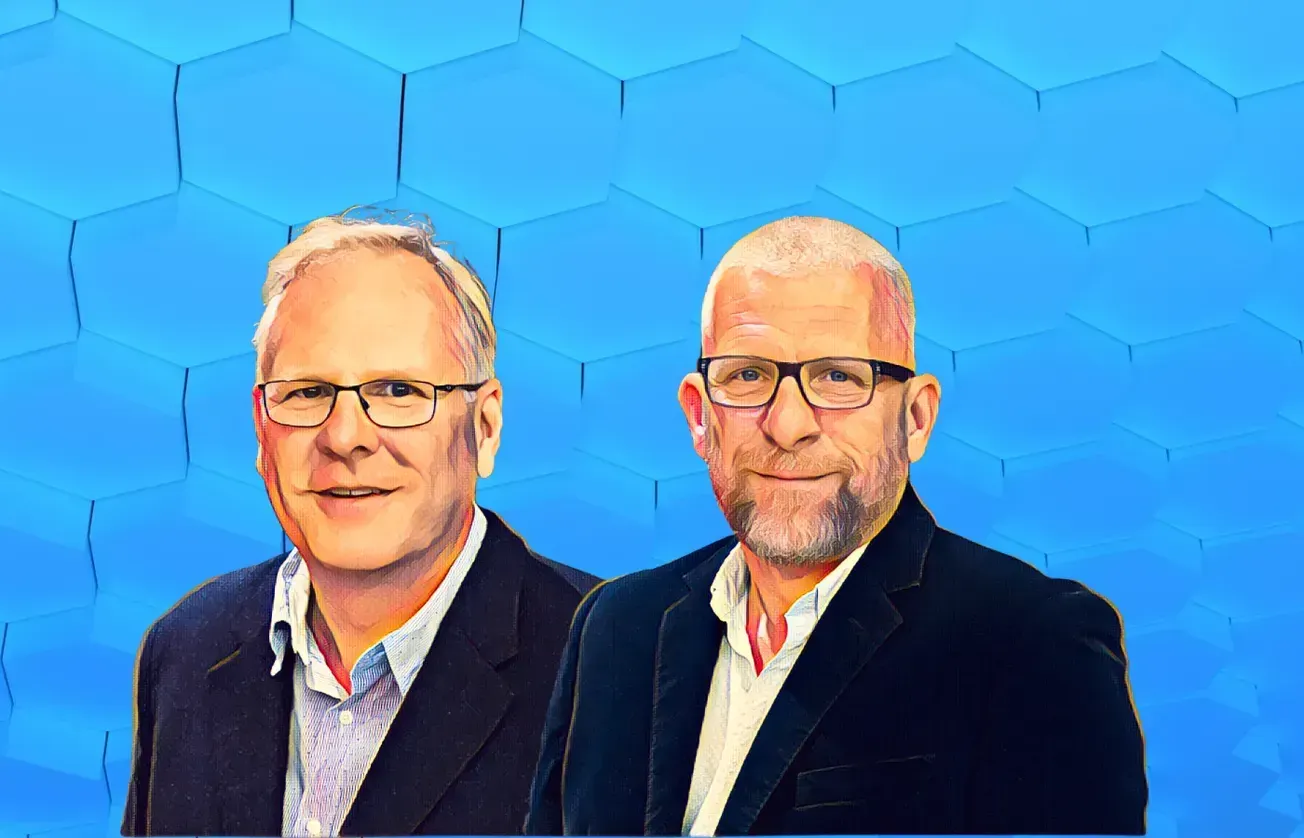
South African billionaire Michiel le Roux, the co-founder of Capitec Bank Holdings Ltd., gave the Democratic Alliance 78 million rand ($4.7 million) in the first six months of 2026, keeping him the country's largest individual political donor as voters head to municipal elections on Wednesday.
The money came through two of his investment companies, Fynbos Ekwiteit and Fynbos Kapitaal, according to quarterly disclosures published by the Electoral Commission of South Africa under the Political Party Funding Act. The figures cover January to June, the latest period for which declarations have been released.
Le Roux's companies gave the DA about 23 million rand ($1.4 million) in the three months through March. Fynbos Ekwiteit and Fynbos Kapitaal were each declared as having given between 10 million rand and 13 million rand that quarter, when the DA reported 57.3 million rand in donations, the most of any party.
The giving rose sharply in the next quarter. Between April and June, Fynbos Ekwiteit donated 30 million rand ($1.8 million) and Fynbos Kapitaal 25 million rand ($1.5 million). The combined 55 million rand ($3.3 million) made up 53% of the 104 million rand the DA declared for the quarter and 47% of the 116.8 million rand declared by all parties.
Across the half year, le Roux supplied close to half of the roughly 161 million rand ($9.7 million) the DA disclosed.
Five years of donations
The DA is the second-largest party in South Africa's Government of National Unity, the coalition formed with the African National Congress after the ANC lost its majority in the 2024 election.
Le Roux has been its main financial backer since the funding law took effect in April 2021. His companies have given the party at least 208 million rand ($12.5 million) over that period, about two-fifths of everything the DA has declared. Fynbos Ekwiteit accounts for 110.1 million rand, Fynbos Kapitaal for 98 million rand and the Fynbos Trust for 271,000 rand.
In the 12 months to March 2026, the Fynbos companies gave the DA 58 million rand ($3.5 million), up from 30 million rand in the previous financial year, when each company gave 15 million rand. They had given a combined 65 million rand ahead of the 2024 national election.
The law requires parties to disclose donations above 200,000 rand a year and caps what a single donor can give one party at 30 million rand a year. The Electoral Commission has noted that the two Fynbos companies appear to share the same owner but are separate legal entities, each with its own limit.
Other big donors
No other individual comes close to le Roux's total. Martin Moshal, a South African businessman who made his fortune in online gambling, has given about 118 million rand ($7.1 million) to four parties over five years, including 48 million rand to the DA. In the first quarter of 2026 he gave 5 million rand ($301,000) to ActionSA, a party founded by former Johannesburg mayor Herman Mashaba.
Mary Slack, the daughter of the late mining magnate Harry Oppenheimer, was declared as giving the DA between 10 million rand and 13 million rand in the same quarter. Other members of the Oppenheimer family spread their money more widely in the year to March 2025. Jonathan Oppenheimer gave 15 million rand each to the DA and the Inkatha Freedom Party, his father, Nicky Oppenheimer, gave the IFP 15 million rand, and Rebecca Oppenheimer gave 15 million rand to Rise Mzansi.
The donations have made le Roux a target for the ANC Youth League, which has accused the DA of pursuing a racist agenda and in 2023 urged South Africans to boycott Capitec, calling the bank anti-black. Le Roux has said the money comes from his own companies, not the bank, and Capitec has said it does not fund any political party.
Le Roux co-founded Capitec in 2001 and was its first chief executive. He later chaired the board and remains a director. Capitec is now South Africa's largest bank by number of clients. He owns about 11% of the Johannesburg-listed lender, and his fortune is estimated at $3.5 billion.
Figures were converted at 16.6 rand to the dollar.
The intelligence satisfies curiosity. The paid briefings satisfy strategy.
Every Monday, Elite subscribers receive an Investor Memo breaking down the deal, the structure and the positioning behind the week's most consequential African wealth story — the kind of analysis that doesn't appear anywhere else.
Twice a month, a Wealth Intelligence brief profiles a single billionaire's holdings, cash flows and expansion pipeline in detail no public source matches.
→ Executive ($25/mo): Daily newsletter + Deep-Dive Reports
→ Elite ($75/mo): Everything above + Investor Memos + Wealth Intelligence + Quarterly Analyst Briefings
Subscribe now