


Table of Contents
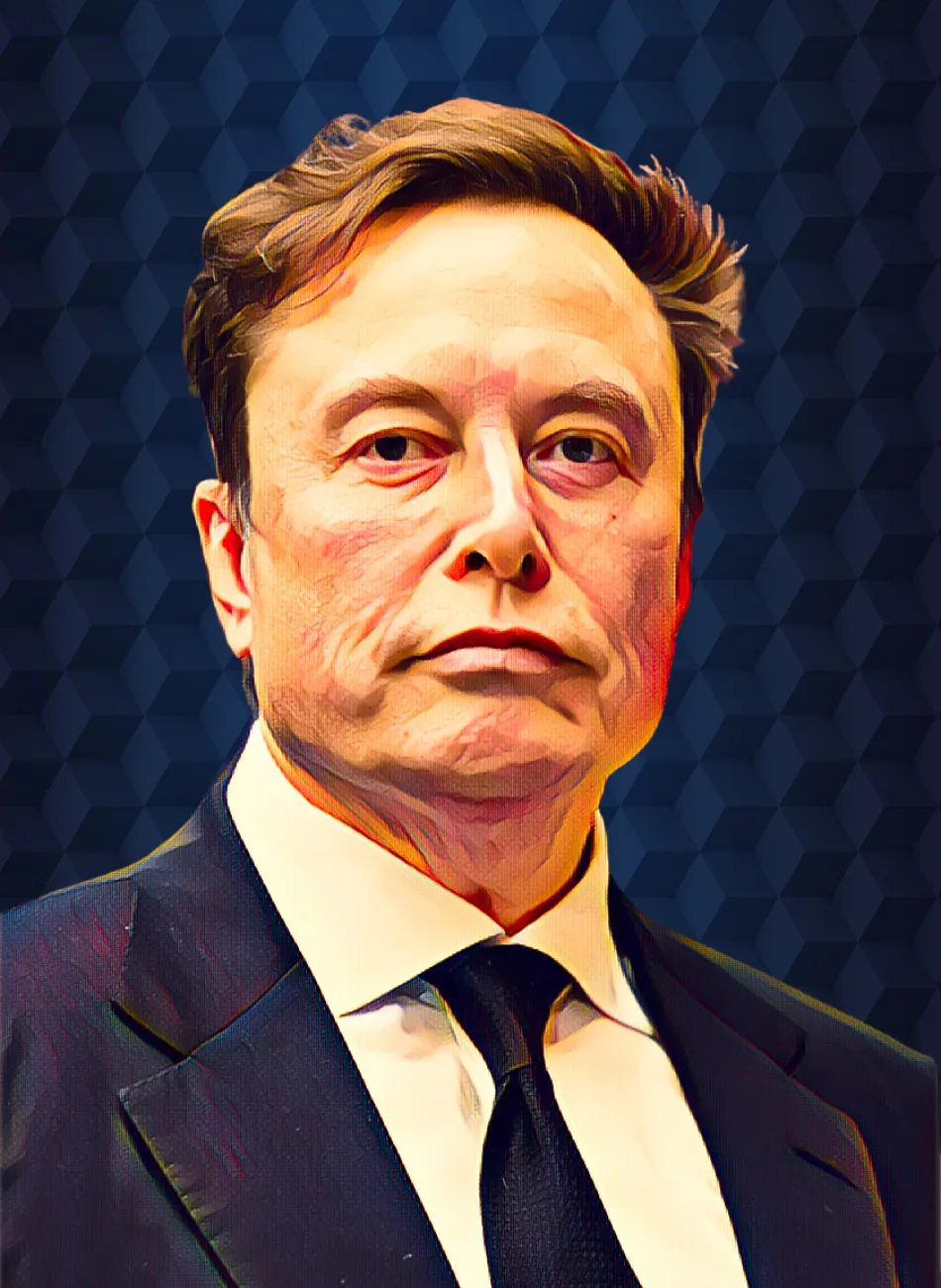
American billionaire Elon Musk said Masayoshi Son's SoftBank Group Corp. is defaulting on orders for gas turbines, the equipment the Japanese company needs to power the giant artificial intelligence data centers it is planning in the U.S.
"SoftBank is defaulting on their turbine orders," Musk wrote on X on Friday, Nov. 6, in a reply to a post by Katie Miller, a conservative podcast host who previously worked as an adviser to Musk. He gave no evidence and did not say which orders he meant, who the supplier was or how much money was involved. SoftBank has not commented on the claim.
SoftBank shares fell 10.8% in Tokyo on Friday, and its U.S.-traded shares dropped by a similar amount, as a sell-off in AI and chip stocks that began on Wall Street on Thursday spread across Asia. Son, SoftBank's founder and chief executive officer, lost about $3.9 billion in the day, cutting his fortune to about $29 billion, according to the Bloomberg Billionaires Index.
Power for Stargate
Miller's post revived Musk's long-running doubts about how SoftBank will pay for Stargate, the $500 billion data center venture it announced with OpenAI and Oracle Corp. at the White House in January 2025. Musk said at the time that the partners did not have the money and that SoftBank had well under $10 billion secured. OpenAI CEO Sam Altman disputed him publicly.
Miller also shared a report that ING Groep NV is trying to sell about $500 million of loans it made to data center developers, including about $25 million tied to a Stargate site in New Mexico backed by SoftBank, OpenAI and Oracle. Oracle has sent that site's developer a force majeure notice seeking to put off rent payments if the project misses its planned 2028 opening. Oracle says the project remains on schedule.
Turbines are one of the tightest bottlenecks in the AI build-out. Wait times for new gas turbines can stretch to seven years, according to S&P Global. SoftBank is planning an AI data center development in Ohio that needs 9.2 gigawatts of gas-fired power, and in May it confirmed it had reserved turbines from manufacturers including GE Vernova Inc. The first buildings, leased to OpenAI, are due to open in 2028. A filing by SB Energy, SoftBank's U.S. power business, warned that delays in getting electricity could push back openings, cost rental income and possibly lead to financial penalties.
Musk's own companies compete for the same equipment. They have scrambled for turbines to run the Colossus data centers in Memphis, Tennessee, and in September he said gas turbines were sold out through 2030. SpaceX, which absorbed his xAI artificial intelligence company in February, is setting up a factory in Bastrop, Texas, to make its own turbine blades.
Pressure on SoftBank
The claim landed during a rough week for Son. The cost of insuring SoftBank's debt against default rose to 466 basis points on Friday, its highest level since October 2022. The company has invested $64.6 billion in OpenAI, and investors have been dumping stocks tied to data center spending since Democrats won control of Congress in Tuesday's midterm elections and pledged tighter limits on new facilities.
The Nasdaq Composite fell 5.5% on Thursday and the Philadelphia Semiconductor Index lost more than 12%. Twenty-two billionaires from China, Japan and South Korea lost about $18 billion between them on Friday as the rout reached Asia.
Musk and Son have clashed before. Musk has promoted the idea of putting data centers in orbit, a plan Son dismissed at a SoftBank shareholder meeting, citing the cost of launches and maintenance.
Son, 69, founded SoftBank in 1981 as a software distributor and built it into one of the world's biggest technology investors, with control of British chip designer Arm Holdings Plc and a large stake in OpenAI. He is Japan's richest person. Musk, 55, runs Tesla Inc. and SpaceX and is the world's richest person.
The intelligence satisfies curiosity. The paid briefings satisfy strategy.
Every Monday, Elite subscribers receive an Investor Memo breaking down the deal, the structure and the positioning behind the week's most consequential African wealth story — the kind of analysis that doesn't appear anywhere else.
Twice a month, a Wealth Intelligence brief profiles a single billionaire's holdings, cash flows and expansion pipeline in detail no public source matches.
→ Executive ($25/mo): Daily newsletter + Deep-Dive Reports
→ Elite ($75/mo): Everything above + Investor Memos + Wealth Intelligence + Quarterly Analyst Briefings
Subscribe now