


Table of Contents
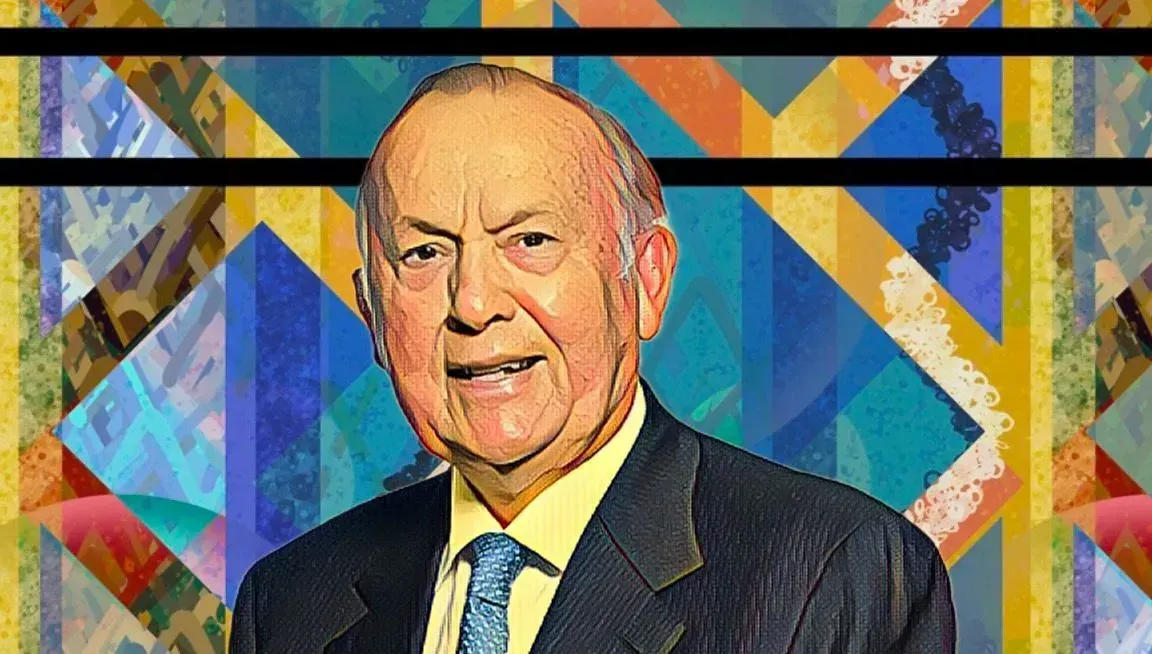
South African billionaire Johann Rupert, chairman of Swiss luxury group Compagnie Financière Richemont SA and owner of one of the country's best-known wine farms, told a room of farmers in Cape Town that he has yet to work out how to make their business pay.
"I really honour the people in this room, because I don't know how to make money from farming," Rupert said in the keynote address at the 31st Commonwealth Agriculture Conference at Century City last week. Britain's Princess Anne, president of the Royal Agricultural Society of the Commonwealth, also addressed the packed hall.
Rupert owns L'Ormarins, the Franschhoek estate where his family makes wine and runs the Franschhoek Motor Museum. He described farming as a way of life rather than a business.
Taxes and bad weather
Rupert set out the pressures that leave farmers with little control over their own results. Bad weather, wars, swings in commodity markets and disruptions such as a port strike can wipe out a good season before produce reaches buyers, he said.
He also pointed to tax. Farmers have their money tied up in land and buildings that cannot move, which leaves them exposed to the taxman, he said. Companies whose value sits in intellectual property can relocate far more easily.
The conference took place a day after U.S. President Donald Trump announced plans to end South Africa's eligibility for duty-free access to the American market under the African Growth and Opportunity Act, a blow to the country's fruit and wine exporters.
AI and inequality
Rupert used much of the speech to raise wider concerns. He spoke about widening income gaps, rising public debt and the burden being passed on to future generations. He said artificial intelligence is now disrupting skilled jobs, and pointed to Microsoft Corp.'s reported offer of voluntary exits to about 60,000 employees as an example.
What keeps him awake, he said, is that humanity's progress moves in a straight line while its capacity to destroy people and the planet is growing exponentially. The world does not necessarily have too many people, he said, but it has developed "some very bad habits."
He borrowed an image from British physicist Brian Cox to make the point about scarce resources. "Think of the Earth as an apple and the skin as the water," he said.
Rupert said empathy and curiosity are the values he tried to teach his children and to build into the culture of his business group, with responsibility to future generations guiding decisions.
Princess Anne picked up the theme in her own address. She said humanity had advanced because farmers had fed it, adding, "That is still true, and it will continue to be true." She praised the Western Cape as "an excellent illustration of how agriculture, research, education, technology" work together, and joked that weather was one thing artificial intelligence could not solve. "Weather is the bit that nobody can guarantee," she said.
The conference, hosted by Agri-Expo, ran from Nov. 1 to Nov. 5 under the theme "Opportunities of change in a connected world." It was the first time Cape Town hosted the conference, the flagship event of the society the late Prince Philip founded in 1957.
Rupert's empire
Rupert, 76, has been chairman of Richemont, the owner of Cartier, Van Cleef & Arpels and Montblanc, since 2002. He controls the Geneva-based group through Compagnie Financière Rupert, which holds about half of its voting rights. He also chairs Remgro Ltd., the investment group founded by his father, Anton Rupert, and owns the Leopard Creek golf estate on the edge of the Kruger National Park.
Richemont is in talks to join the Global Diamond Consortium, the group led by former De Beers Chief Executive Officer Gareth Penny that is bidding for Anglo American Plc's 85% stake in the diamond producer. Botswana said on Nov. 9 that it backs the bid and will double its own holding in De Beers to 30%.
Forbes ranks Rupert as South Africa's richest person.
The intelligence satisfies curiosity. The paid briefings satisfy strategy.
Every Monday, Elite subscribers receive an Investor Memo breaking down the deal, the structure and the positioning behind the week's most consequential African wealth story — the kind of analysis that doesn't appear anywhere else.
Twice a month, a Wealth Intelligence brief profiles a single billionaire's holdings, cash flows and expansion pipeline in detail no public source matches.
→ Executive ($25/mo): Daily newsletter + Deep-Dive Reports
→ Elite ($75/mo): Everything above + Investor Memos + Wealth Intelligence + Quarterly Analyst Briefings
Subscribe now