


Table of Contents
South African billionaire Johann Rupert's Compagnie Financière Richemont SA moved a step closer to owning a piece of De Beers after Botswana agreed to double its stake in the diamond producer and backed the consortium bidding for Anglo American Plc's controlling interest.
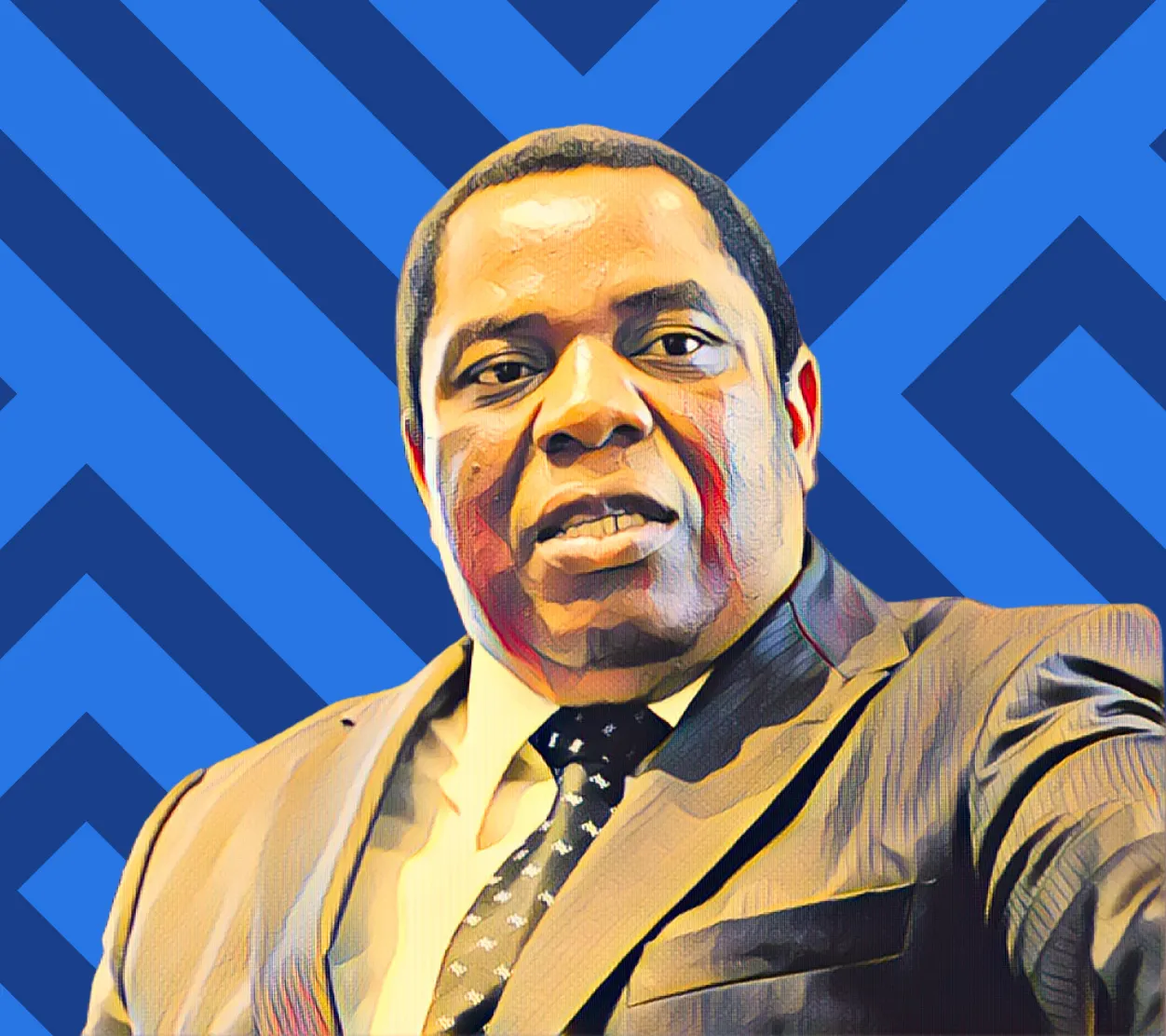
Botswana's holding in De Beers "will double from the current 15% to 30%," President Duma Boko told parliament in his State of the Nation address on Nov. 9. The increase would make the country De Beers' single largest shareholder. Boko also named the Global Diamond Consortium, led by former De Beers Chief Executive Officer Gareth Penny, as the government's preferred bidder for Anglo's 85% stake.
Richemont, the Swiss owner of Cartier, Van Cleef & Arpels and Buccellati, has been in talks since mid-October to join the consortium alongside U.S. jewelry retailer Signet Jewelers Ltd., the owner of Kay, Zales and Jared. The size of any stake Richemont might take has not been disclosed, and it is expected to be small given the number of investors already in the group. Neither Richemont nor Signet is certain to take part.
Who is in the consortium
Penny chairs the Global Diamond Consortium. Its founders include Saurin Parikh of diamond manufacturer Diarough and Moshe Klein of Grandview Klein Diamonds. Belgian rough-diamond buyer Pluczenik is also involved, while India's Rosy Blue has dropped out.
The governments of Namibia and Angola, which host De Beers mining operations, will also take ownership stakes. Penny said the group is working with Oman toward bringing it in as a co-owner.
"For the first time, the great diamond-producing nations of our region will sit together at the ownership table," Boko said.
Botswana's support was essential. The country holds a right of first refusal over Anglo's stake, which gave it a veto over any buyer. Its approval clears the main political hurdle for a sale Anglo has pursued since May 2024, when it put De Beers on the block while fending off a takeover approach from BHP Group Ltd.
"We remain focused now on finalizing agreements with Anglo American as soon as possible," Penny said. Anglo said on Nov. 9 it would keep working with Botswana, the other governments and the consortium to agree binding transaction documents.
Neither side has disclosed a price. The offer has been reported at about $1 billion, including $750 million paid upfront and $250 million deferred. Anglo cut the carrying value of De Beers to $2.3 billion in February after its third impairment in three years, as prices for natural diamonds slumped under pressure from cheaper lab-grown stones and weak demand in China and the U.S.
What Botswana gets
Botswana bought its 15% stake 25 years ago. A bigger holding gives it more say over De Beers' strategy, Boko said, along with exposure to Element Six, the group's synthetic-diamond and industrial-materials business. Boko said the U.S. government had asked Element Six to partner on synthetic diamond technology, and that he agreed with U.S. Commerce Secretary Howard Lutnick that the company should anchor a technology partnership between the two countries.
"Our investment in De Beers is not just an investment in natural diamonds," Boko said.
Rupert's diamond bet
A stake in De Beers would give Richemont a foothold in the supply of natural stones that end up in Cartier and Van Cleef & Arpels jewelry, the group's biggest source of profit. Jewelry has carried Richemont through the luxury slowdown of the past two years, while its watch brands, including IWC and Jaeger-LeCoultre, have struggled.
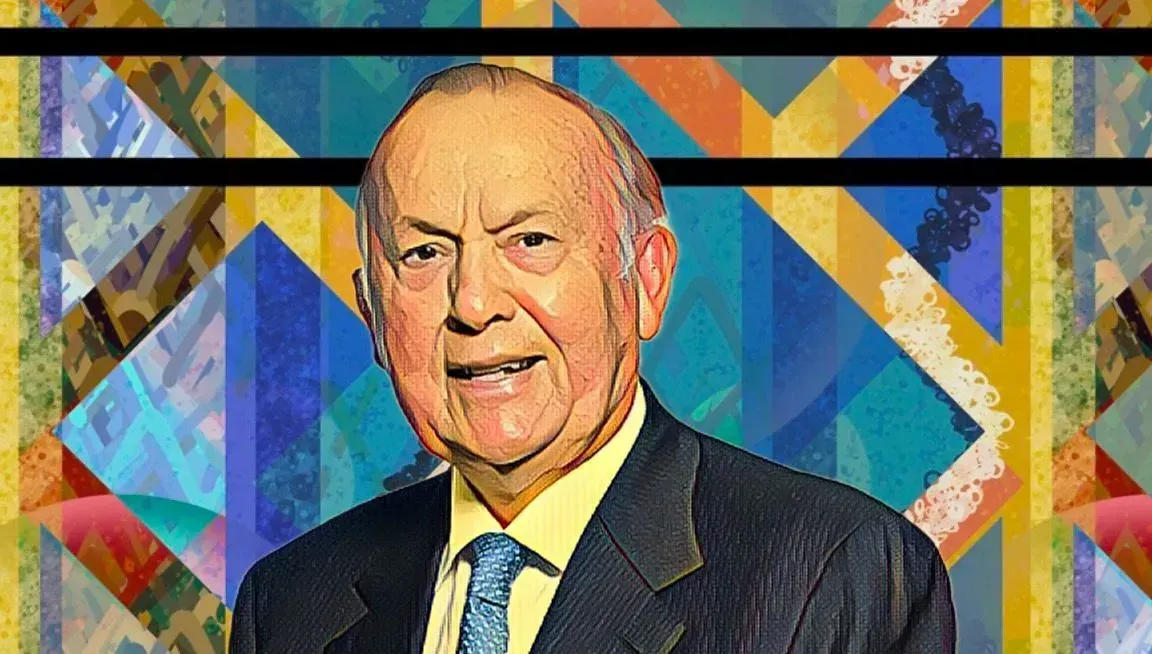
Rupert, 76, has been chairman of Richemont since 2002. He controls the Geneva-based group through Compagnie Financière Rupert, which holds about half of its voting rights. He also chairs Remgro Ltd., the Stellenbosch-based investment group founded by his father, Anton Rupert.
Anglo took majority control of De Beers in 2012, when it bought the Oppenheimer family's 40% stake. The sale would end that 14-year run and hand the company to a mix of producer governments, diamond traders and, possibly, Rupert's luxury group. Forbes ranks Rupert as South Africa's richest person.
The intelligence satisfies curiosity. The paid briefings satisfy strategy.
Every Monday, Elite subscribers receive an Investor Memo breaking down the deal, the structure and the positioning behind the week's most consequential African wealth story — the kind of analysis that doesn't appear anywhere else.
Twice a month, a Wealth Intelligence brief profiles a single billionaire's holdings, cash flows and expansion pipeline in detail no public source matches.
→ Executive ($25/mo): Daily newsletter + Deep-Dive Reports
→ Elite ($75/mo): Everything above + Investor Memos + Wealth Intelligence + Quarterly Analyst Briefings
Subscribe now