Table of Contents
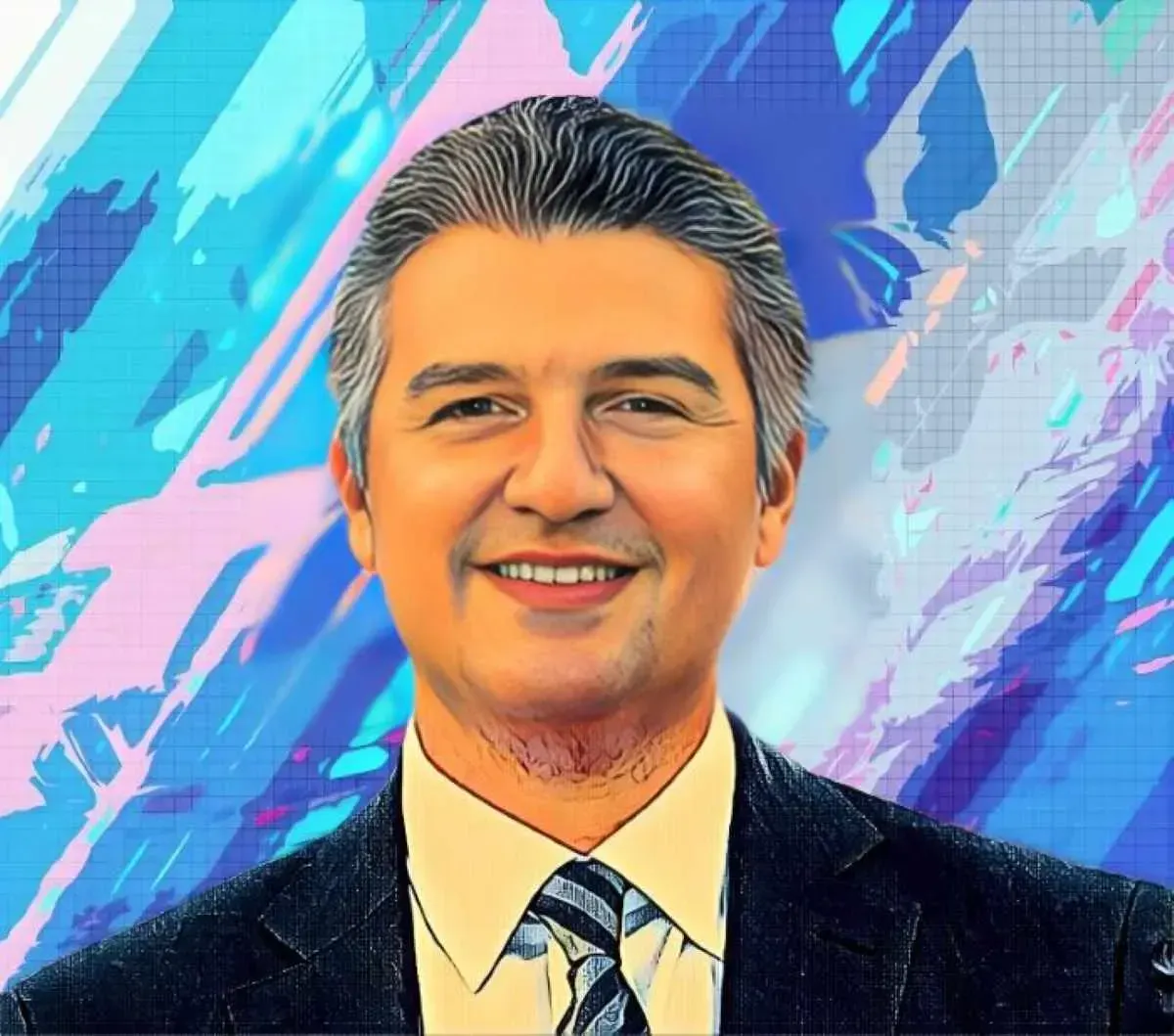
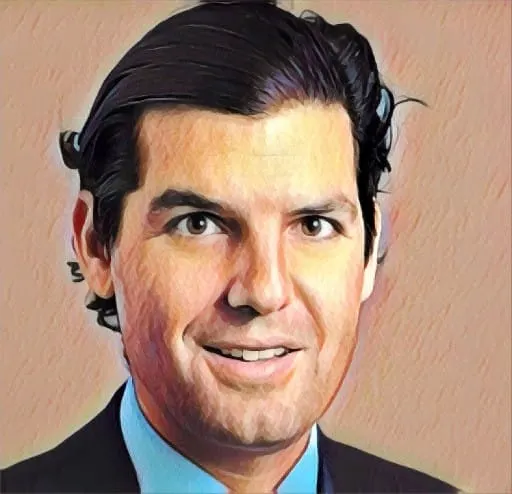
Venezuelan oil tycoon Alejandro Betancourt says the company at the center of the Trump administration's Venezuela oil deal is now pumping about 223,000 barrels a day, up from 18,000 when operations restarted in late 2023, and will plow more than $5 billion of this year's cash flow back into expansion.
Betancourt, 46, showed off the operations of North American Blue Energy Partners, or NABEP, in an interview with the Washington Post published Nov. 7, flying by helicopter over wells on Lake Maracaibo. He calls the company's crude "America's oil."
He said output will reach 275,000 barrels a day by the end of this year and 350,000 next year, and that NABEP will overtake Chevron Corp. as Venezuela's largest producer by early 2027. The company aims to reach 1.015 million barrels a day by 2033, the level it must pass before it can pay stock dividends.
The deal
The agreement, announced in August, gives the Pentagon's Office of Strategic Capital a 35% stake in NABEP. The US also has the right to buy 20% of the company's output at about $30 a barrel, less than a third of the market price, with first claim on the rest at market rates. Defense Secretary Pete Hegseth and Secretary of State Marco Rubio signed it, and President Donald Trump has called it "the biggest oil deal in world history."
The 50-year contract covers 17 oil fields believed to hold about 63.7 billion barrels. Betancourt says 11 of them are operating. NABEP runs drilling and workover rigs on Lake Maracaibo and in eastern Venezuela, wants 60 drilling rigs in total within three years, and has built power stations and hundreds of miles of pipeline. The first shipments under the deal, including a million-barrel cargo, arrived in late October.
Betancourt denies that members of Trump's family have invested in or profit from NABEP. "But it's me and the United States," he said of the company's ownership.
Probes and critics
Betancourt faces money-laundering investigations in Switzerland and Spain and was arrested twice in the UK in 2025 on extradition requests from those countries. He denies wrongdoing and has never been charged or convicted. Rubio said in September that Betancourt "has no investigations against him in the United States."
Opposition leader María Corina Machado has accused him of "obscene corruption" and said the deal lacks transparency. Francisco Monaldi, a Venezuelan energy specialist at Rice University, called it "90 percent smoke and mirrors." Democrats in Congress have questioned its legality.
From power plants to oil
Betancourt, who comes from a prominent Venezuelan family and was educated in New England, first made money through Derwick Associates, which won contracts to build power plants under Hugo Chávez during an electricity crisis in the late 2000s. Critics say many of those contracts were awarded without bidding. A case over the deals in the 2010s was dismissed.
He later backed sunglasses brand Hawkers and a Spanish ride-hailing service that was sold to Uber Technologies Inc. His first oil company, Petrozamora, was seized by the government in 2020. He says he put $700 million of his own money and $300 million of equipment into regaining most of it in 2023, and he co-founded NABEP in April 2024.
US forces seized Nicolás Maduro in January. Delcy Rodríguez, his former deputy, now runs Venezuela as interim president with Washington's support and has praised the deal.
The intelligence satisfies curiosity. The paid briefings satisfy strategy.
Every Monday, Elite subscribers receive an Investor Memo breaking down the deal, the structure and the positioning behind the week's most consequential African wealth story — the kind of analysis that doesn't appear anywhere else.
Twice a month, a Wealth Intelligence brief profiles a single billionaire's holdings, cash flows and expansion pipeline in detail no public source matches.
→ Executive ($25/mo): Daily newsletter + Deep-Dive Reports
→ Elite ($75/mo): Everything above + Investor Memos + Wealth Intelligence + Quarterly Analyst Briefings
Subscribe now