

Table of Contents
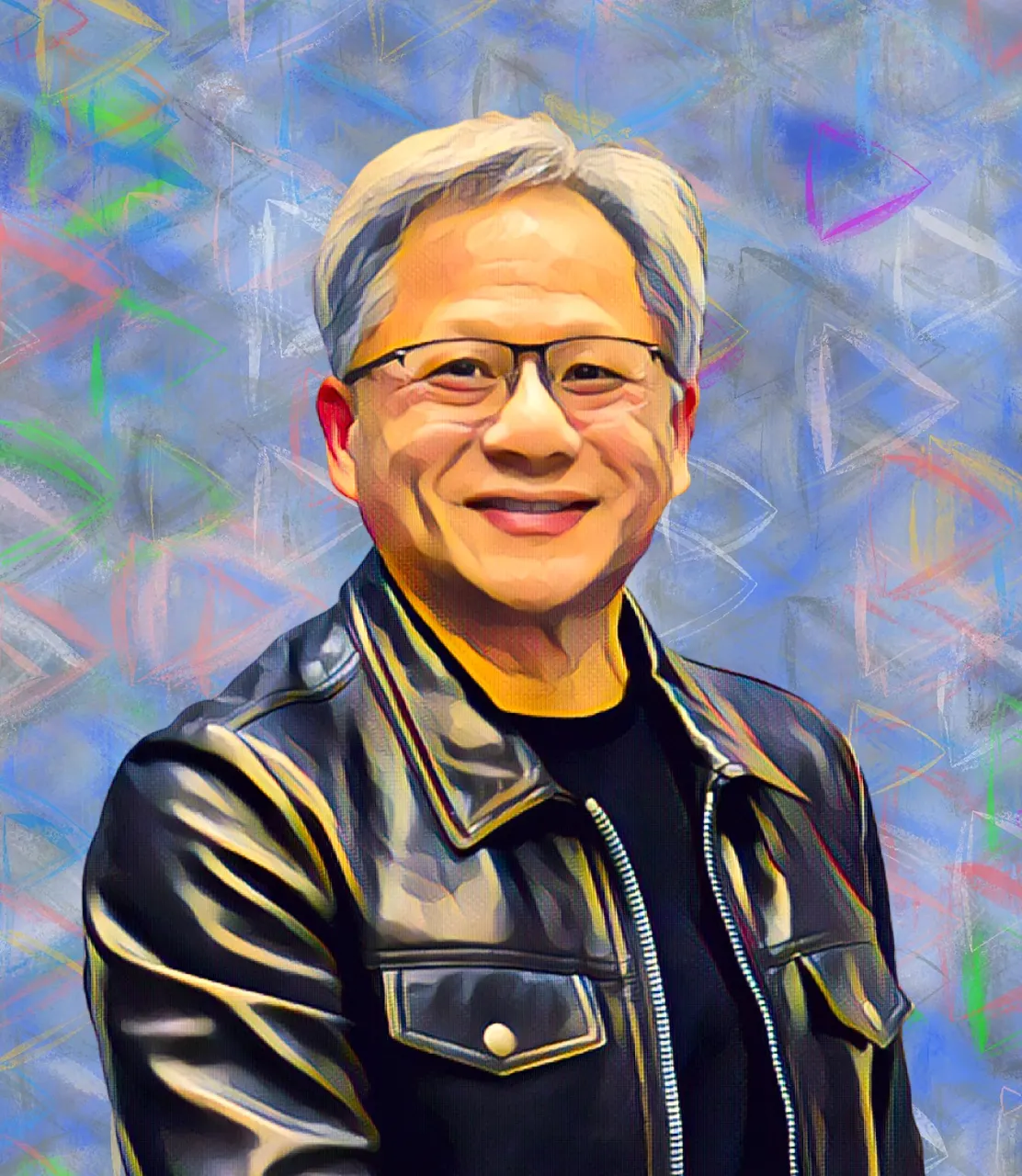
Taiwanese-American billionaire Jensen Huang is back in charge of Nvidia Corp., after the chipmaker's board reinstated him as chief executive 11 days after he resigned, sending the shares up more than 30% on Monday.
The board voted unanimously to return Huang to his posts as president, chief executive and director, effective immediately, Nvidia said in a statement before the market opened on Nov. 23. A regulatory filing dated the same day said the decision was taken on Sunday, Nov. 22.
Nvidia shares rose 33% to $167.24 shortly after 10 a.m. in New York, a gain of $41.71 from Friday's close of $125.53. The stock had soared about 27% in premarket trading. It had fallen for six straight sessions after Huang's exit, including a 14% drop on Friday.
Why the board changed course
The directors said they held discussions with Huang and were satisfied with his candor and his ability to lead. They also pointed to Washington. The board said it "received input from senior levels of the United States government" and, based on that input, is "confident that Mr. Huang's reinstatement poses no national security risk."
Harvey C. Jones, who became Nvidia's first chair when Huang left and keeps that role, said the board believes Huang is the right leader for the company and that his return serves its stockholders, employees, partners and customers. Only six days earlier, Jones had opened the company's earnings call by ruling out a return.
Huang said he was honored to come back and would take on the job with humility. He thanked the board, Jones, Chief Financial Officer Colette Kress, employees, shareholders and partners.
Kress, Nvidia's finance chief since 2013, ran the company as interim CEO and delivered its third-quarter results on Nov. 17. She will continue as executive vice president and CFO, and the board thanked her for her service.
Trump cheers the return
President Donald Trump had pressed for the move. On Sunday he wrote on Truth Social: "I hope the Board of Nvidia rehires Jensen Huang. It would be the best thing for the Company, and also, for the U.S.A." After the announcement on Monday he wrote that the board "has made the correct and proper decision to return Jensen Huang to the position of CEO," adding: "The Country needs Jensen's leadership at NVIDIA."
Before the decision, traders on the prediction market Kalshi had put the chance of Huang returning as CEO at 16%.
The rally spread across the chip sector. Taiwan Semiconductor Manufacturing Co. rose 13% and ASML Holding NV gained 9%. Arm Holdings Plc climbed about 15% after saying its chief executive, Rene Haas, had extended his contract through 2033. Nvidia had approached Haas about the top job after Huang resigned, according to people familiar with the matter.
Inquiries continue
The return does not end the scrutiny. A committee of independent directors, working with independent counsel, is still investigating reports that Huang was the target of a foreign intelligence effort. The board said that inquiry will run to its conclusion, and Huang said he supports it. Nvidia did not disclose any findings.
The company said it will keep cooperating with government investigations and inquiries. The Securities and Exchange Commission is examining Nvidia's accounting, including revenue billed to Singapore, people familiar with the matter said last week.
The board also tightened oversight. A National Security and Export Control Committee, made up only of independent directors, will oversee trade compliance and national security risks and is hiring counsel with national security experience. Nvidia is searching for a new chief compliance officer who will report to the board's nominating and corporate governance committee. The filing named no other board changes and listed no conditions attached to Huang's return.
Huang, 63, stepped down on Nov. 12 after he admitted being unfaithful to his wife and reports disclosed relationships with an Nvidia executive and with Alice Huang, a Megaspeed executive whom U.S. officials suspected of passing information to Beijing. He was not accused of knowingly taking part in any intelligence activity, and China has called the spying reports a smear. A petition to bring him back drew more than 180,000 signatures, including Elon Musk's.
Huang co-founded Nvidia in 1993 and built it from a maker of video game graphics cards into the dominant supplier of chips for artificial intelligence. He owns about 3.5% of the company, a stake that accounts for almost all of his fortune.
The intelligence satisfies curiosity. The paid briefings satisfy strategy.
Every Monday, Elite subscribers receive an Investor Memo breaking down the deal, the structure and the positioning behind the week's most consequential African wealth story — the kind of analysis that doesn't appear anywhere else.
Twice a month, a Wealth Intelligence brief profiles a single billionaire's holdings, cash flows and expansion pipeline in detail no public source matches.
→ Executive ($25/mo): Daily newsletter + Deep-Dive Reports
→ Elite ($75/mo): Everything above + Investor Memos + Wealth Intelligence + Quarterly Analyst Briefings
Subscribe now