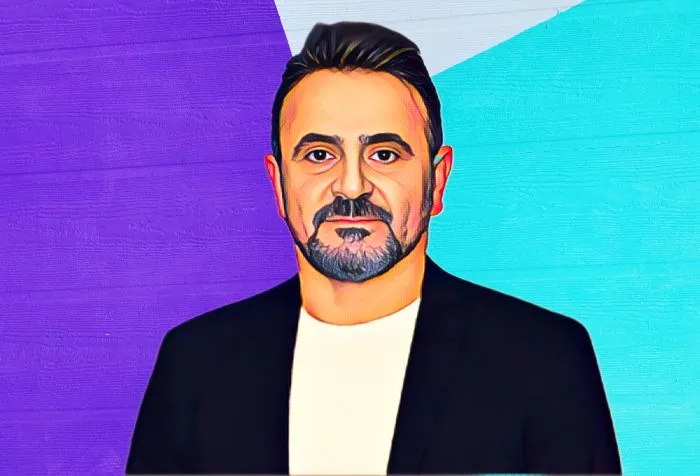
Lebanese-Nigerian tycoon Hassan Hammoud plans $50 million investment in Ogun
This development marks a significant milestone in Nigeria’s push to expand its manufacturing capabilities and create jobs.
 Skip to content


This development marks a significant milestone in Nigeria’s push to expand its manufacturing capabilities and create jobs.
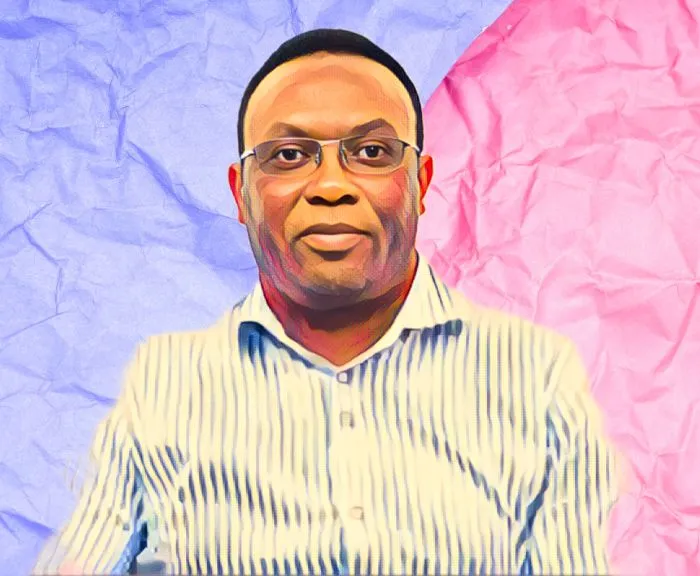
Bernard Soi’s takeover of Muhoroni Sugar sparks labor protests as workers demand unpaid dues, exposing tensions in Kenya’s push to privatize state mills.
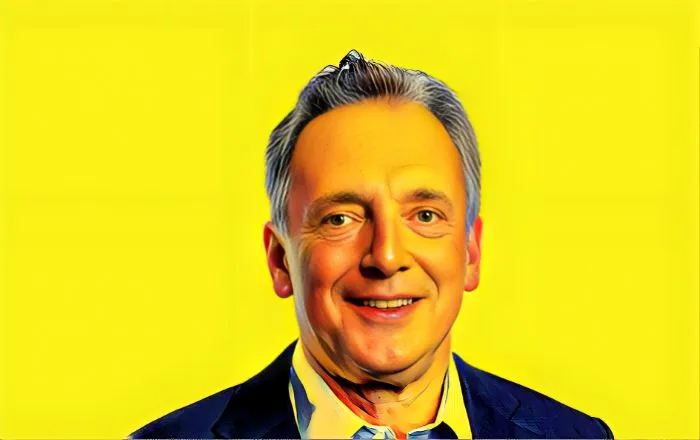
The recent dip is a reflection of the growing pressure facing one of South Africa’s most recognizable retail names.
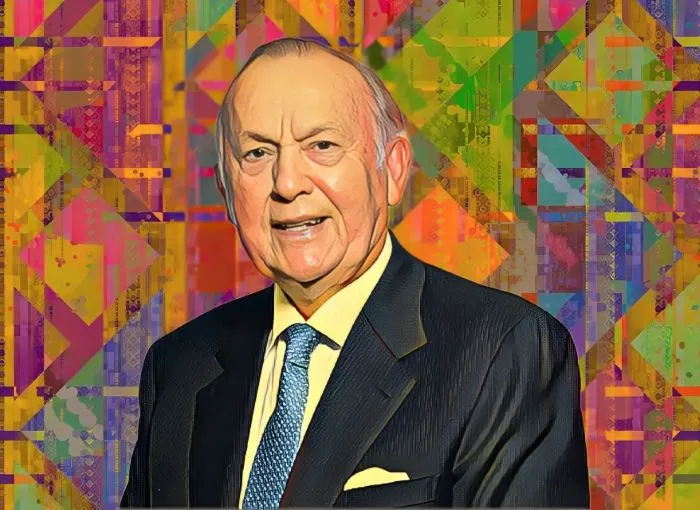
His stake in the company has surged by over $97 million, driven by a strong rally in Shoprite’s shares on the Johannesburg Stock Exchange (JSE).
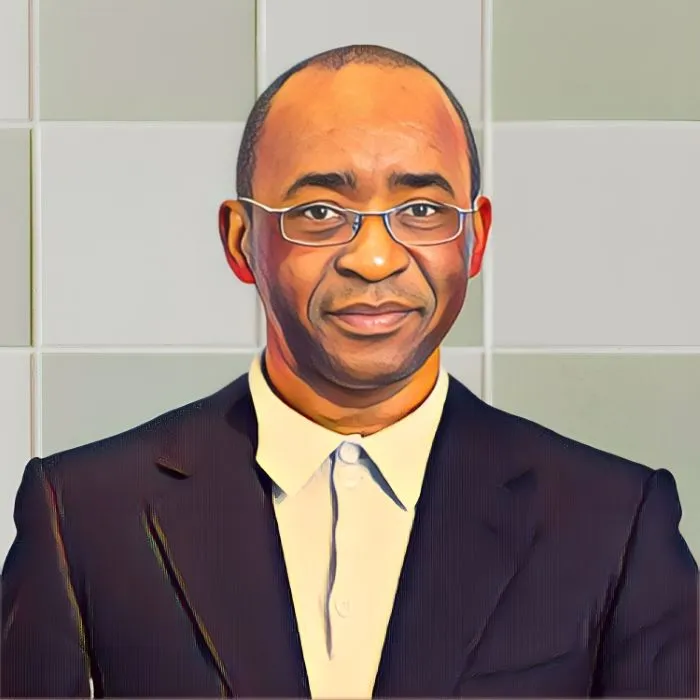
Strive Masiyiwa, Zimbabwe's richest man, has been gradually reducing his stake in Netflix over the past year.
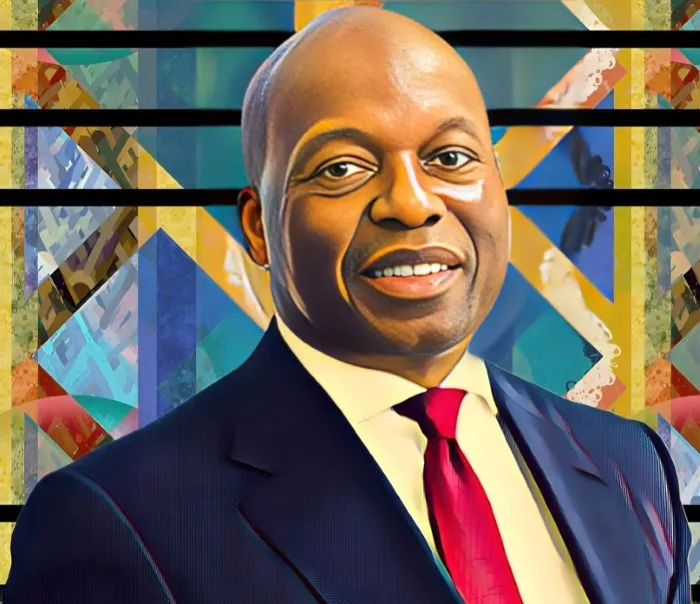
To prevent further incidents, Oando has initiated the sectional replacement of aging pipelines.
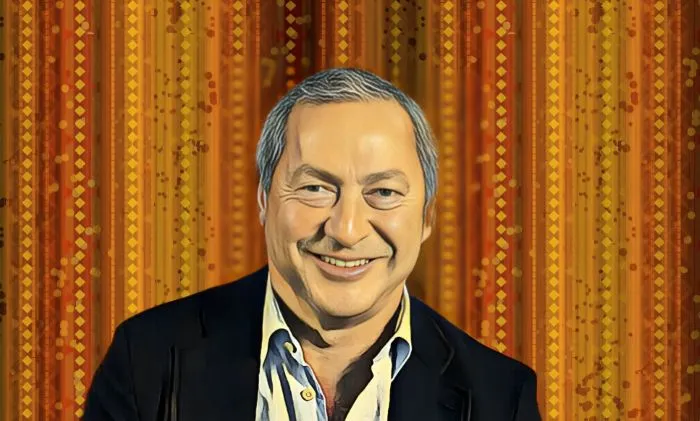
Orascom Development Egypt posted $126.8 million in Q1 revenue, driven by hotels and land sales, despite a dip in real estate bookings.

PIC has increased its stake in Sibanye to 15.409% with a $11.85 million share purchase, signaling renewed confidence ahead of CEO Neal Froneman’s retirement.

The surge follows a strong rally in Discovery’s share price on the Johannesburg Stock Exchange (JSE).
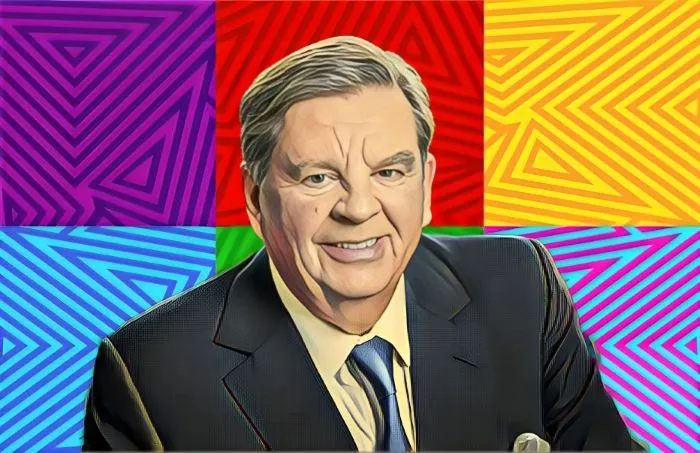
The boost further cements his position as Africa’s second-richest person, behind Nigerian industrialist Aliko Dangote.
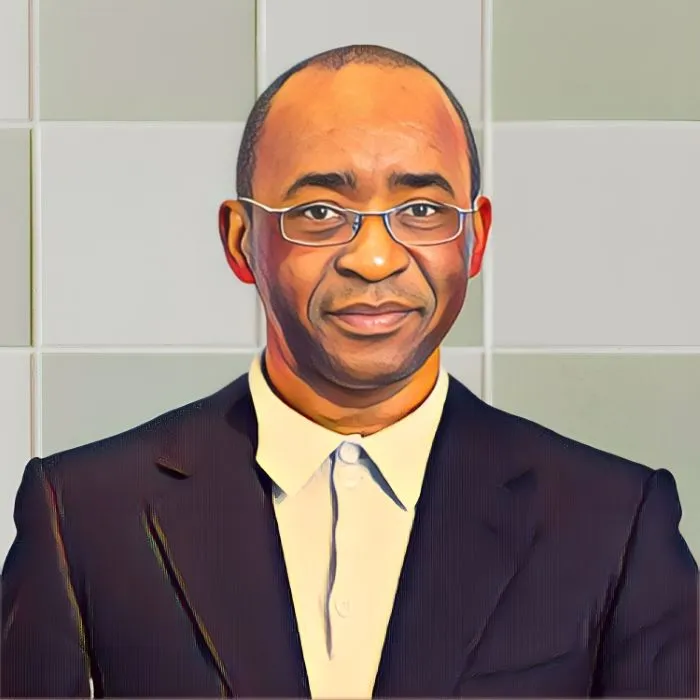
The partnership marks a strategic move by Cassava to deepen its commitment to digital transformation in Africa through scalable AI solutions.
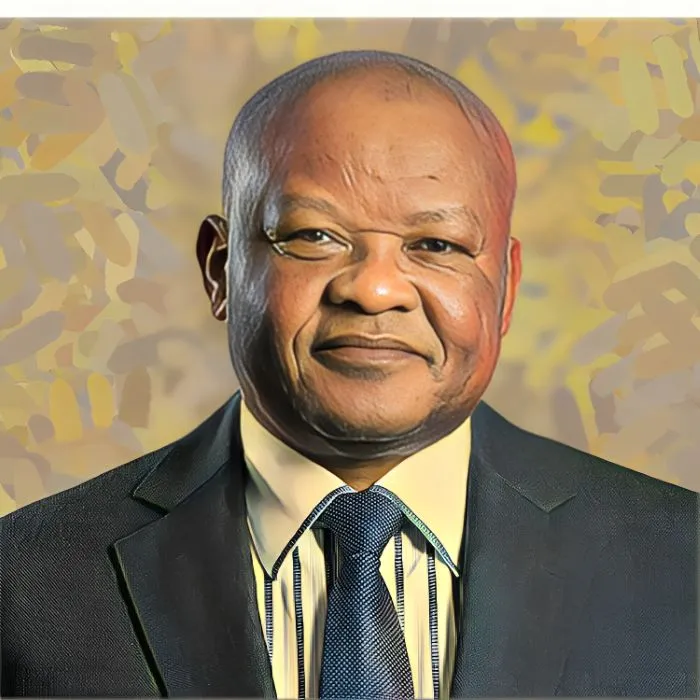
The transaction was executed through his investment company, Ntsimbintle Holdings, in partnership with Singapore-based OM Holdings.

The decline stems from a steep fall in the company’s share price on the EGX, reflecting growing investor caution.

Safaricom posted $3.01 billion in revenue, marking a historic first in East Africa, as it eyes tech-driven growth in Kenya, Ethiopia, and beyond.
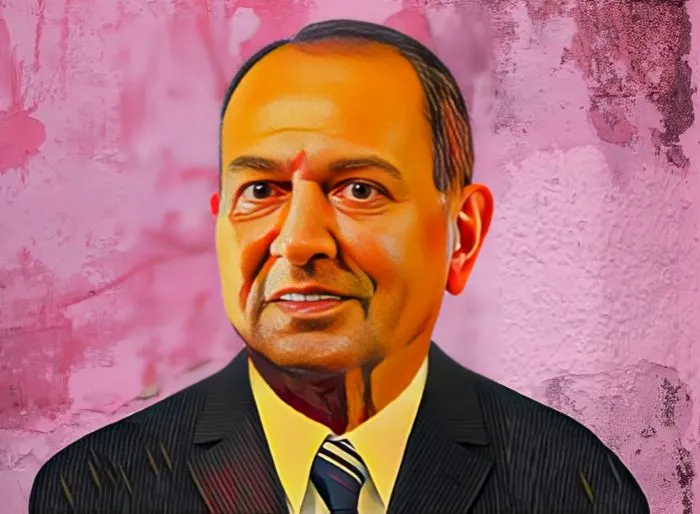
Absa Bank Kenya, partly owned by investor Baloobhai Patel, is backing a $52 million student housing drive to ease Nairobi’s 300,000-bed deficit.
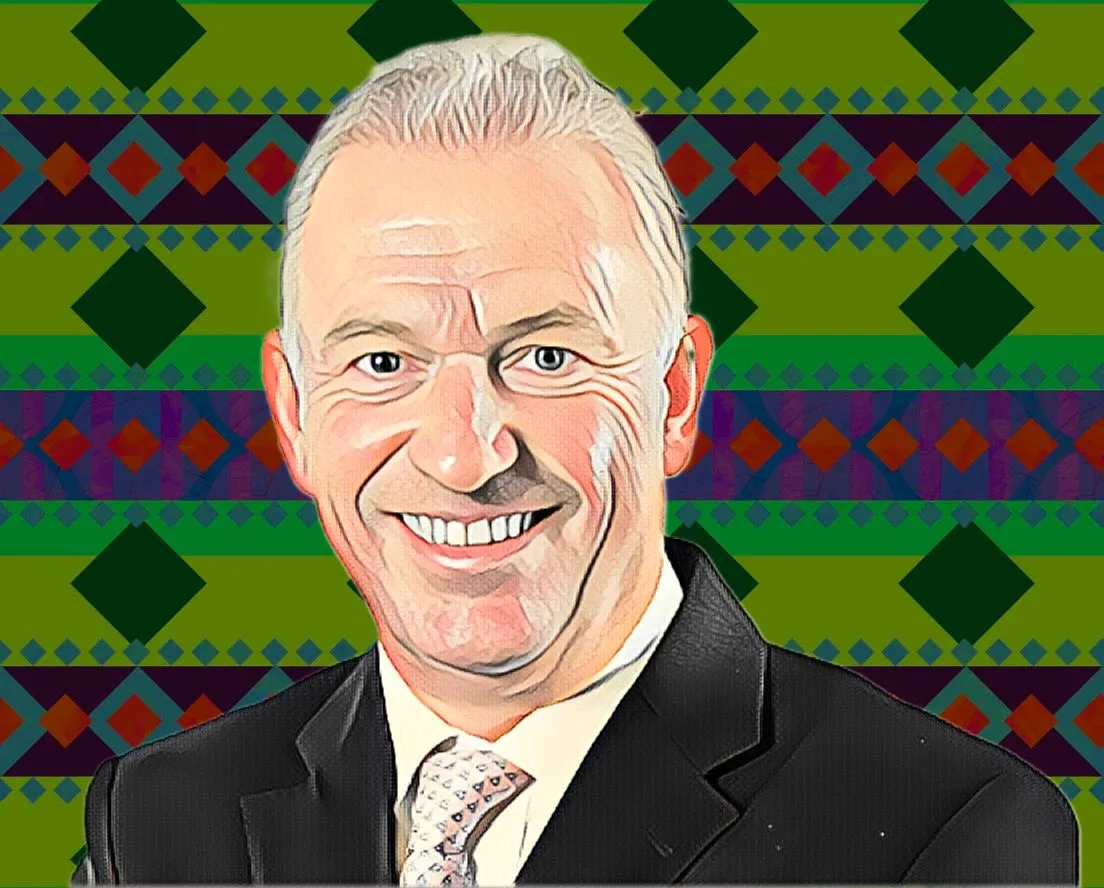
This $28.1 million gain demonstrates the rising institutional interest in JSE-listed technology companies with a global presence.