


Table of Contents
Optasia Ltd., the AI-driven microfinance platform built by Lebanese-Nigerian entrepreneur Bassim Haidar, gained on its first day of trading in Johannesburg after pricing at the top of the range, adding a rare high-growth tech name to a market short on fresh listings.
The stock closed at R19.38 ($1.11) versus the R19.00 ($1.08) offer, giving Optasia a closing market value of about R23.94 billion ($1.37 billion) on 1,235,061,843 shares outstanding. At the offer price, the implied market cap was roughly R23.47 billion ($1.34 billion). The float combined a primary raise to fund expansion with a secondary sell-down by early backers, drawing interest from local and international funds.
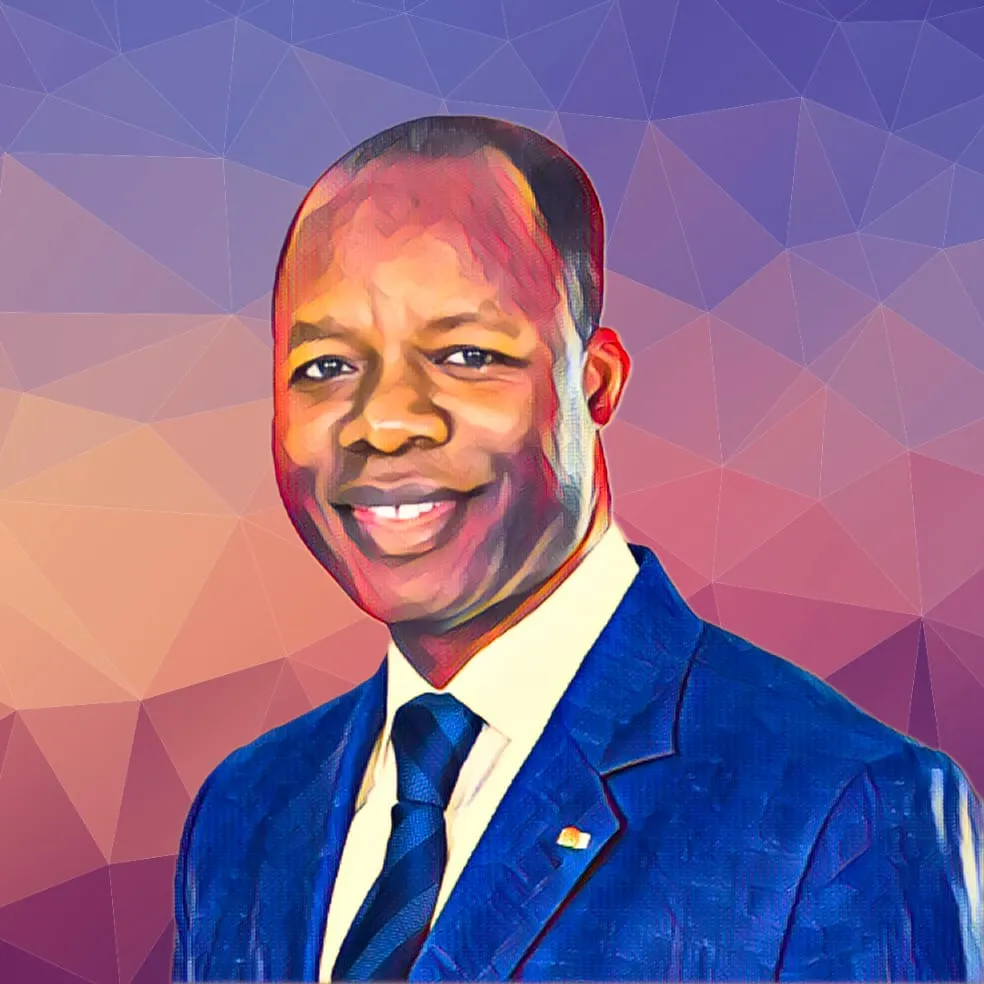
For Haidar, the debut crystallizes more than a decade of work. Through BH Holdings Limited, he owns 19.01% of Optasia — a 0.90% direct holding and 18.11% held indirectly via 100%-owned Zoey Enterprises — which equates to 234.79 million shares (direct 11.12 million; indirect 223.67 million). Marked to the close, the stake is worth around R4.55 billion ($259.6 million).
Optasia sits at the intersection of telecom networks and finance. Optasia uses alternative data and machine-learning models to score and extend nano-loans and airtime advances via mobile operators and banks, taking a fee on each transaction. Investors are betting that scale and disciplined risk management can convert small-ticket credit into robust, cash-generative returns across multiple emerging markets.
The debut is also a win for the Johannesburg Stock Exchange, which has struggled to attract tech flotations amid global risk aversion and a busy private-capital market. For Optasia, a public currency and fresh capital open room to accelerate product rollouts, deepen ties with carriers and lenders, and pursue selective acquisitions without sacrificing profitability discipline. Haidar — who founded the business in 2012 when it was known as Channel VAS — remains central to strategy even as Optasia broadens its leadership bench.
The intelligence satisfies curiosity. The paid briefings satisfy strategy.
Every Monday, Elite subscribers receive an Investor Memo breaking down the deal, the structure and the positioning behind the week's most consequential African wealth story - the kind of analysis that doesn't appear anywhere else.
Twice a month, a Wealth Intelligence brief profiles a single billionaire's holdings, cash flows and expansion pipeline in detail no public source matches.
→ Executive ($25/mo): Daily newsletter + Deep-Dive Reports
→ Elite ($75/mo): Everything above + Investor Memos + Wealth Intelligence + Quarterly Analyst Briefings
Subscribe now