

Table of Contents
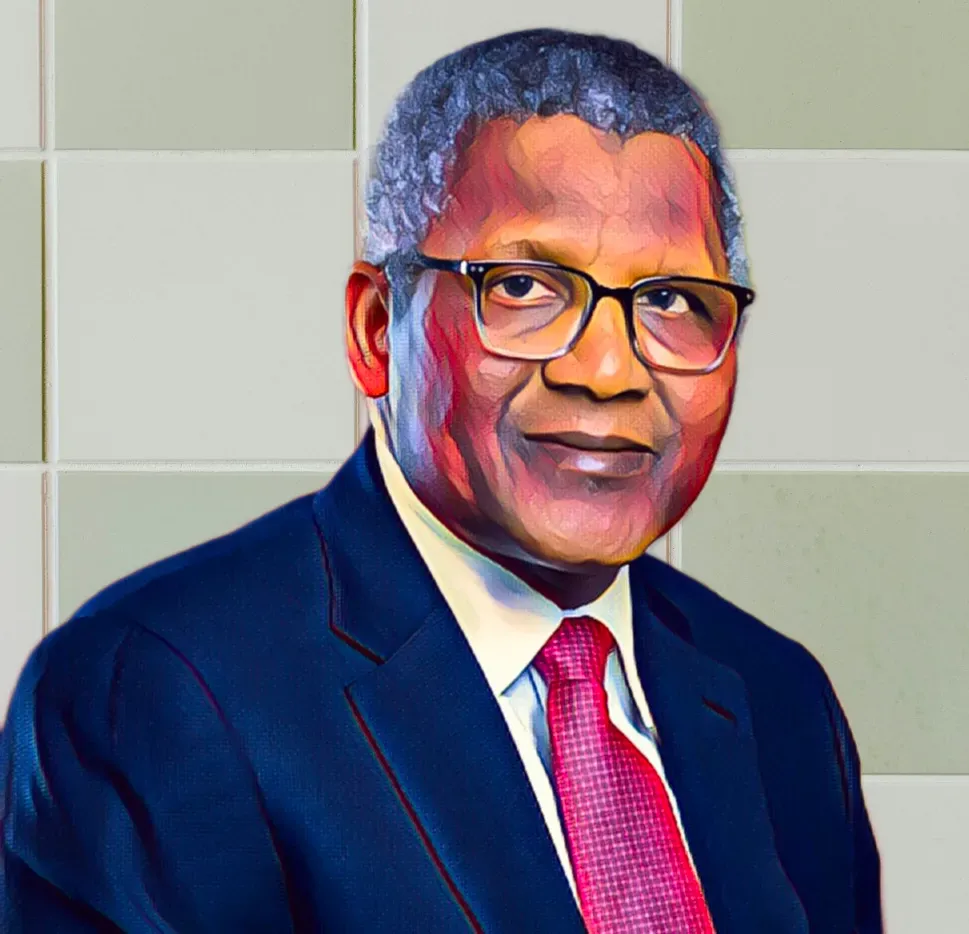
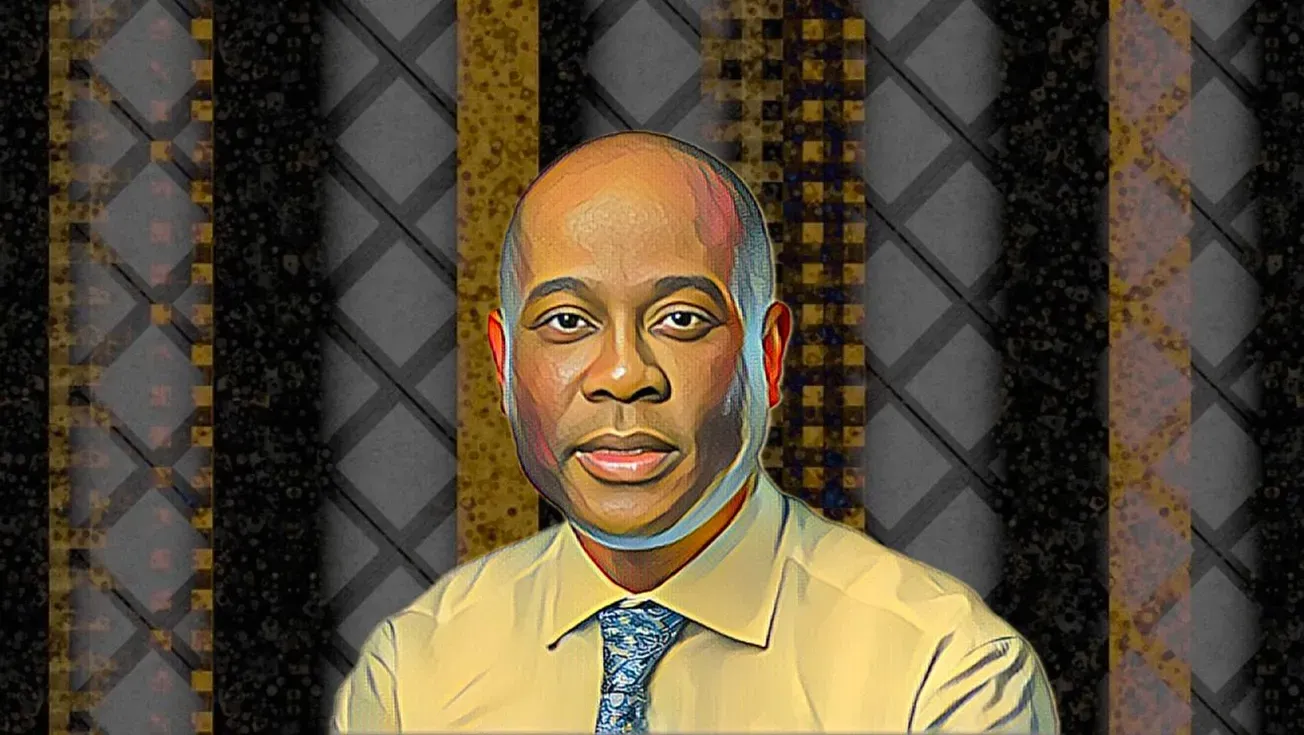
Abdul Samad Rabiu is not done building.
The billionaire founder and chairman of BUA Group is pressing ahead with an ambitious cement expansion that would add six million metric tonnes of production capacity across two states, lifting BUA Cement Plc's total installed capacity to 20 million metric tonnes per annum. Managing Director Yusuf Binji unveiled the details during a virtual presentation of the company's 2025 full-year financial results, but the vision carries the unmistakable imprint of the man who built BUA from the ground up.
The company is advancing plans for a three million metric tonnes per annum greenfield cement plant in Ososo, Edo State, expected to begin operations by December 2027, and a brownfield expansion of similar capacity in Sokoto State slated for commissioning in December 2028.
Construction on the Ososo line has already started, with the Sokoto regasification plant also progressing on schedule. Together, both projects anchor Rabiu's strategy of scaling production, diversifying market reach and cementing BUA's position as one of West Africa's dominant producers.
The expansion is being bankrolled by a year of genuinely strong numbers. BUA Cement reported a 34.6% increase in net revenue to N1.2 trillion in 2025, up from N876.5 billion the previous year. Profit after tax climbed 381.7% to N356 billion, earnings per share rose to N10.51 from N2.18, and EBITDA surged 104.7% to N549.9 billion, with margins expanding to 46.6% from 30.6%.
Binji credited the turnaround to a deliberate approach at the start of the year, focused on margin recovery, cost management and market penetration. The company undertook process reviews and internal realignments, worked more closely with suppliers across the value chain and added 500 new bulk cement tankers to its logistics network.
Rabiu's push into export markets is also gathering pace. BUA Cement resumed exports to Niger and Burkina Faso during the year, broadening its customer base beyond Nigeria's borders and tapping into West Africa's growing demand for construction materials. The international play, combined with the new domestic capacity, puts the company in a stronger position to compete across the region.
Africa's housing deficit currently stands at at least 51 million units and is projected to reach 130 million by 2030, a structural gap that is feeding sustained demand for cement across the continent. Rabiu has spent decades positioning BUA to serve exactly that need.
The board has also recommended a dividend of N10.00 per ordinary share of 50 kobo for the year ended Dec. 31, 2025, up sharply from N2.05 the prior year, reflecting confidence that the company can grow and reward shareholders at the same time.
Rabiu's next chapter is already under construction in Edo and Sokoto. The cement will follow.