
Why billionaire-controlled BUA, UBA, and Seplat missed FTSE’s Nigeria re-entry
FTSE Russell restored Nigeria to its Frontier Market Index, but billionaire-led giants like BUA, UBA, and Seplat were left off the list.
 Skip to content


FTSE Russell restored Nigeria to its Frontier Market Index, but billionaire-led giants like BUA, UBA, and Seplat were left off the list.
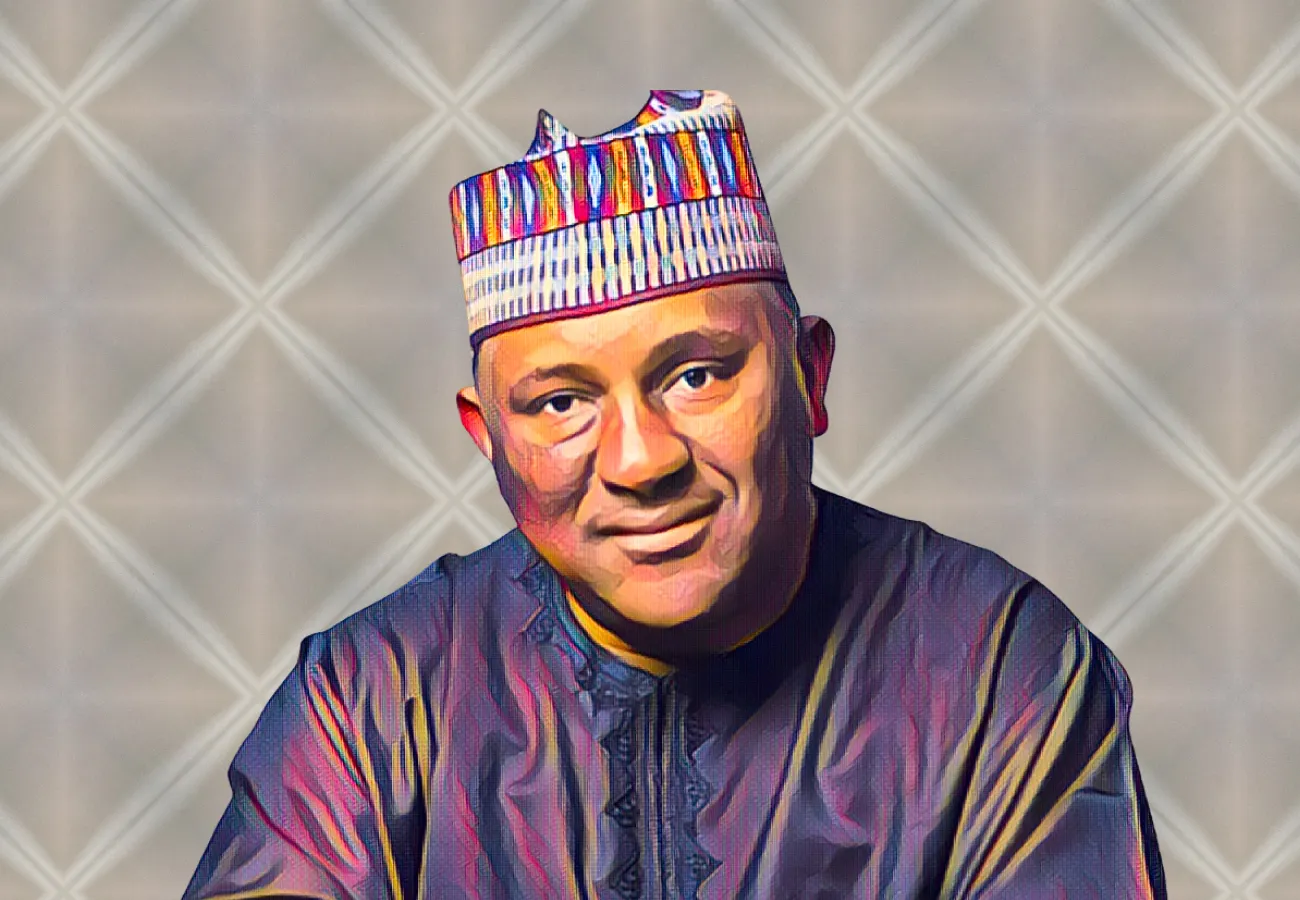
Abdul Samad Rabiu's BUA Cement lifted half-year profit 80% to $237 million as bulk cement revenue jumped from almost nothing a year earlier.

BUA Cement chairman Abdul Samad Rabiu told shareholders cement prices will fall as naira stability eases costs, after the company posted a record 2025 profit.
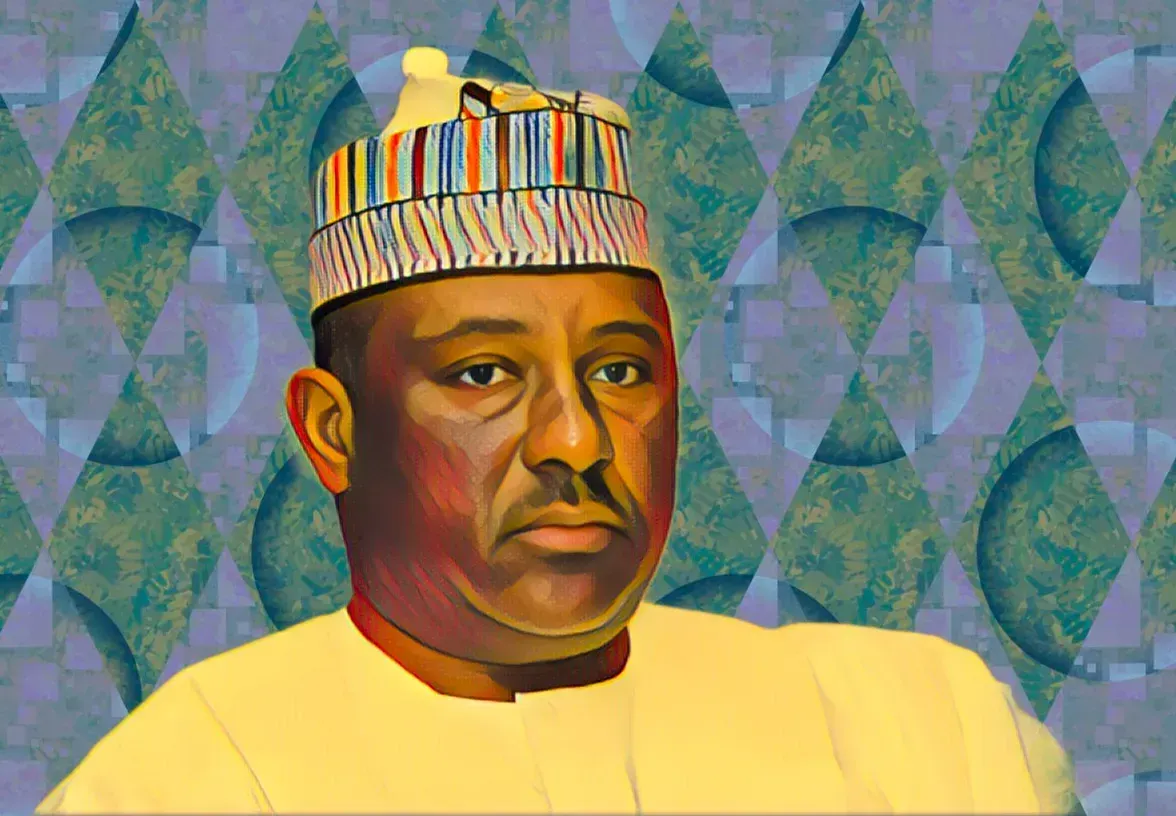
Abdul Samad Rabiu is expanding BUA Cement into Edo and Sokoto as the company's profit surged 381% and capacity targets hit 20 million tonnes.

Abdul Samad Rabiu is now Africa's third richest person. His $11.2 billion fortune surged 120% in a year, powered by BUA Cement's blistering stock rally.

BUA Cement Plc, under the leadership of Abdulsamad Rabiu, has become Nigeria's most profitable cement maker in 2025, with a net profit margin of 30.43%, profit after tax surging 381.7% to N356 billion, and revenue breaking the trillion-naira barrier for the first tim

Abdul Samad Rabiu will collect more than N324 billion in dividends as BUA Cement profit climbed nearly fivefold in 2025.

Abdul Samad Rabiu’s net worth falls $301 million in 24 hours after debt revaluation, trimming his fortune to $7.5 billion.

Abdul Samad Rabiu’s net worth drops $400 million following a decline in BUA Cement shares.

BUA Cement posts $380 million in revenue and $118 million in profit, fueled by Nigeria’s construction boom and strong leadership from Abdul Samad Rabiu.

Pre-tax profit for the first quarter of 2025 surged to $62 million, marking a significant increase from the same period last year.

The cement manufacturer recorded a 6.4 percent rise in profit despite surging finance costs and operational expenses.

Nigeria’s BUA Cement posted strong Q3 sales growth, but rising input costs trimmed nine-month profits.

Rabiu explained that middlemen inflated prices, preventing savings from reaching consumers, impacting families and fueling a nationwide housing crisis.