

Table of Contents
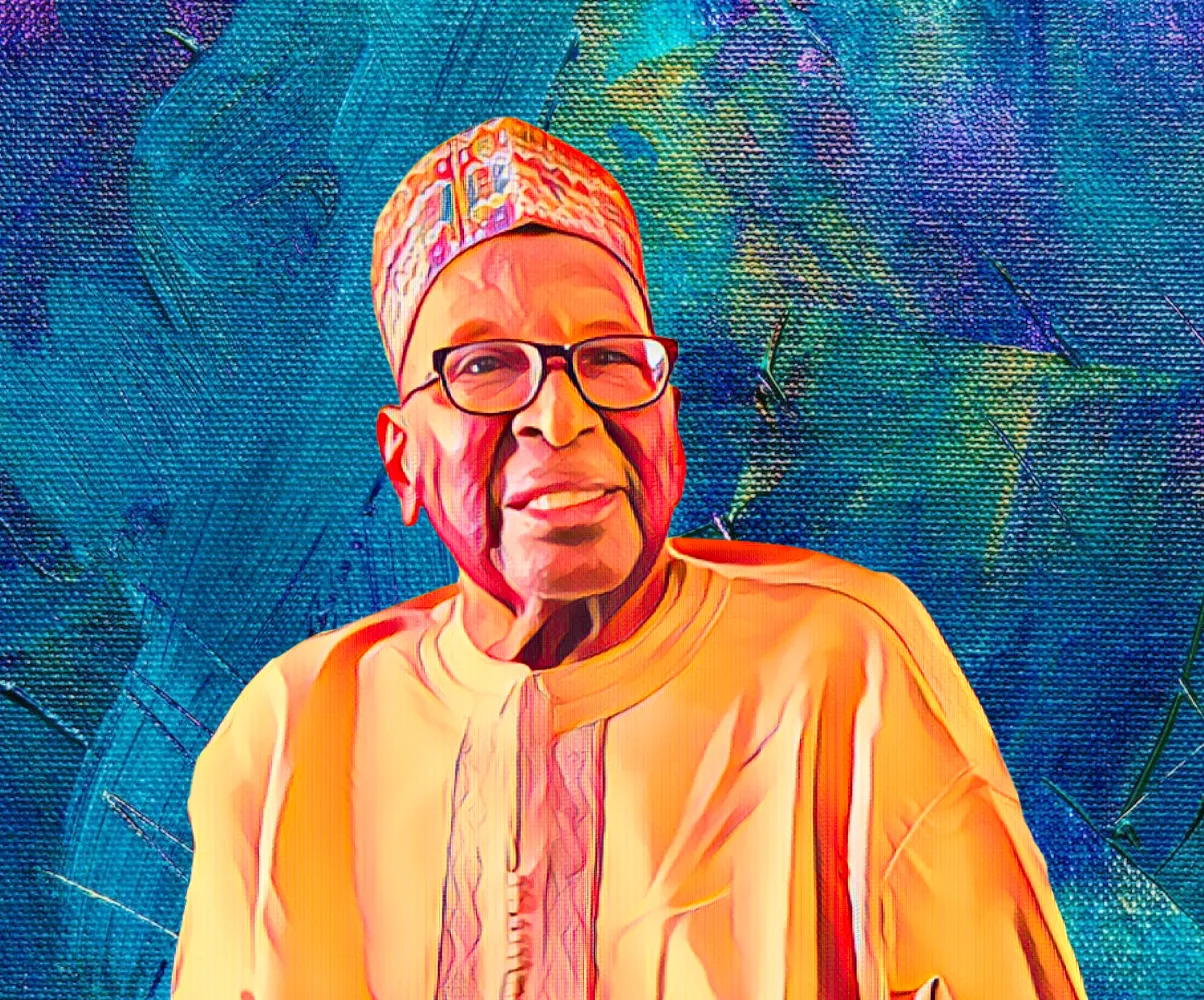
Segun Ogunsanya, former group chief executive of Airtel Africa and now chairman of CycleFlow, is stepping back into the spotlight with the official launch of a new working capital platform for Nigeria. The venture, built on technology from United States fintech C2FO and backed by the International Finance Corporation, aims to crack one of the most persistent problems facing African small businesses: cash locked up in unpaid invoices.
A new play from a familiar operator
Ogunsanya, who ran Airtel Africa from 2021 until his retirement in July 2024, spent more than a decade turning the telco into one of the continent's fastest-growing listed companies. At CycleFlow, he is channeling that operator's instinct into financial infrastructure, chairing a Nigeria-based company that positions itself as the country's national supply chain finance platform.
The launch, held in Lagos on April 2, marks the first phase of a broader rollout targeting Africa and other emerging markets. Several multinational and local anchor buyers have already signed on, including Flour Mills of Nigeria, MTN, and IHS Towers, with Stanbic IBTC serving as the first fully integrated banking partner.
Unlocking invoices, not new loans
The model is simple but rarely executed at scale in Nigeria. Financial institutions and buyers purchase and discount invoices already approved for payment, allowing micro, small, and medium enterprises to convert receivables into cash without collateral. That matters in a market where suppliers routinely wait 60 to 120 days to be paid, a delay that strangles hiring, restocking, and growth.
At full scale, the platform could facilitate between $25 billion and $30 billion in annual financing for local businesses, according to projections shared at the launch. Ogunsanya framed the numbers as a structural correction rather than a credit line. He argued that the financing gap crippling Nigerian small businesses is a solvable problem, not a permanent feature of the economy, provided technology and political will align.
An IFC stamp and a 480,000-job bet
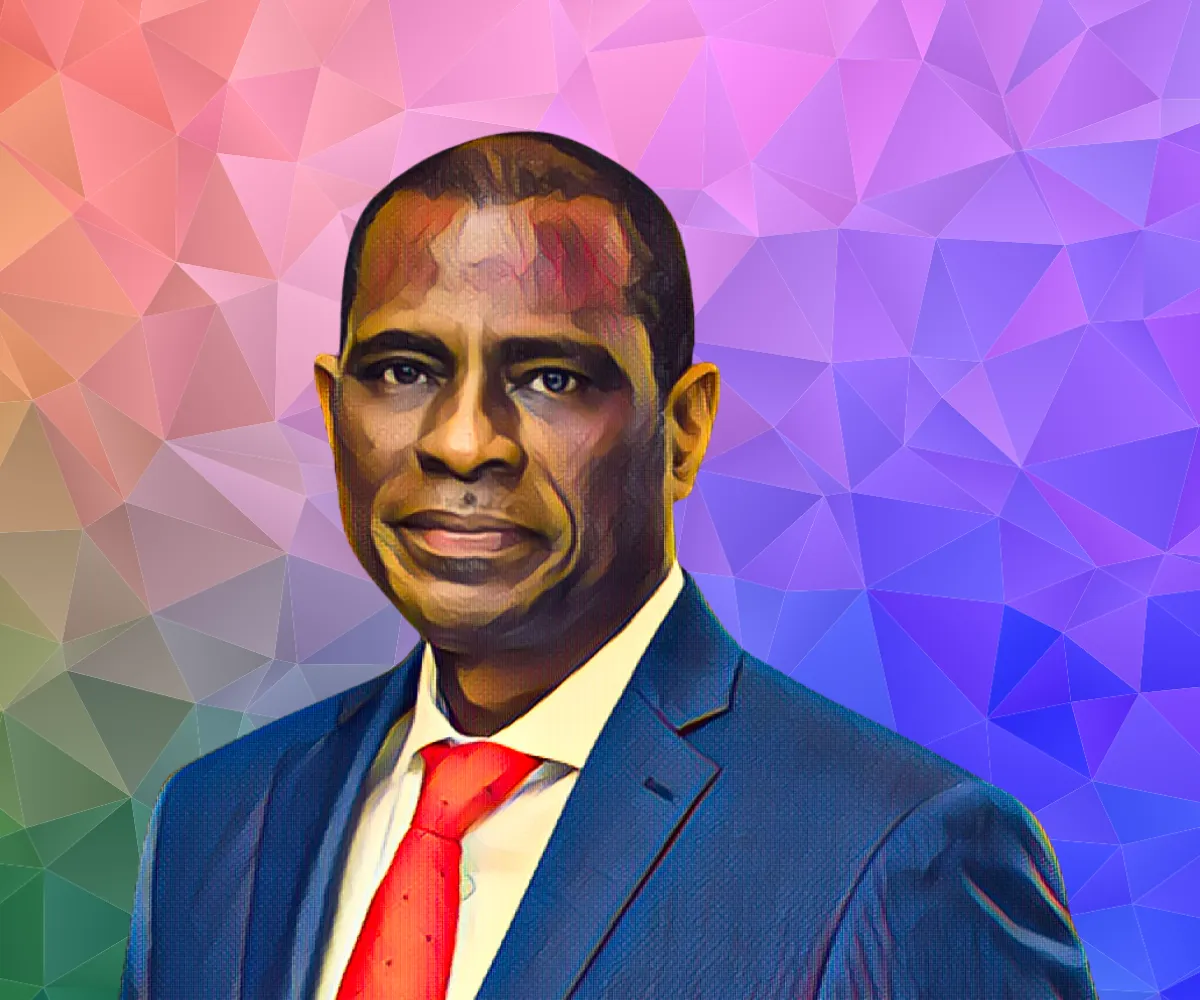
The IFC is anchoring the effort, framing CycleFlow as proof of what development finance can do when paired with the right technology. Mohamed Gouled, the institution's vice president for products and clients, said millions of African MSMEs are sitting on receivables they cannot convert into working capital to grow and hire.
IFC research cited at the launch suggests that every $1 million in financing for smaller businesses creates an average of 16.3 direct jobs over two years. At full deployment, CycleFlow's backers estimate the platform could generate more than 480,000 direct jobs in Nigeria and lift gross domestic product by one to three percent.
Ogunsanya has been clear that CycleFlow is not built to compete with banks, but to plug them into a flow of supplier financing they rarely reach directly. If the Nigeria phase holds up, the same playbook is expected to run across other African markets, extending the reach of a former telecoms executive into a sector where the continent's next wave of value may quietly be created.
The intelligence satisfies curiosity. The paid briefings satisfy strategy.
Every Monday, Elite subscribers receive an Investor Memo breaking down the deal, the structure and the positioning behind the week's most consequential African wealth story - the kind of analysis that doesn't appear anywhere else.
Twice a month, a Wealth Intelligence brief profiles a single billionaire's holdings, cash flows and expansion pipeline in detail no public source matches.
→ Executive ($25/mo): Daily newsletter + Deep-Dive Reports
→ Elite ($75/mo): Everything above + Investor Memos + Wealth Intelligence + Quarterly Analyst Briefings
Subscribe now