


Table of Contents
A war in the Middle East. A tanker pre-positioned in a UAE port. A government emergency declared in 48 hours. And a Sh11.8 billion ($91 million) cargo of contaminated fuel discharged at Mombasa over a public holiday weekend.
That is the anatomy of what Narok Senator Ledama Ole Kina is calling the most brazen act of energy-sector looting in Kenya's recent history, as detailed in a Kenya Insights investigation published April 17.
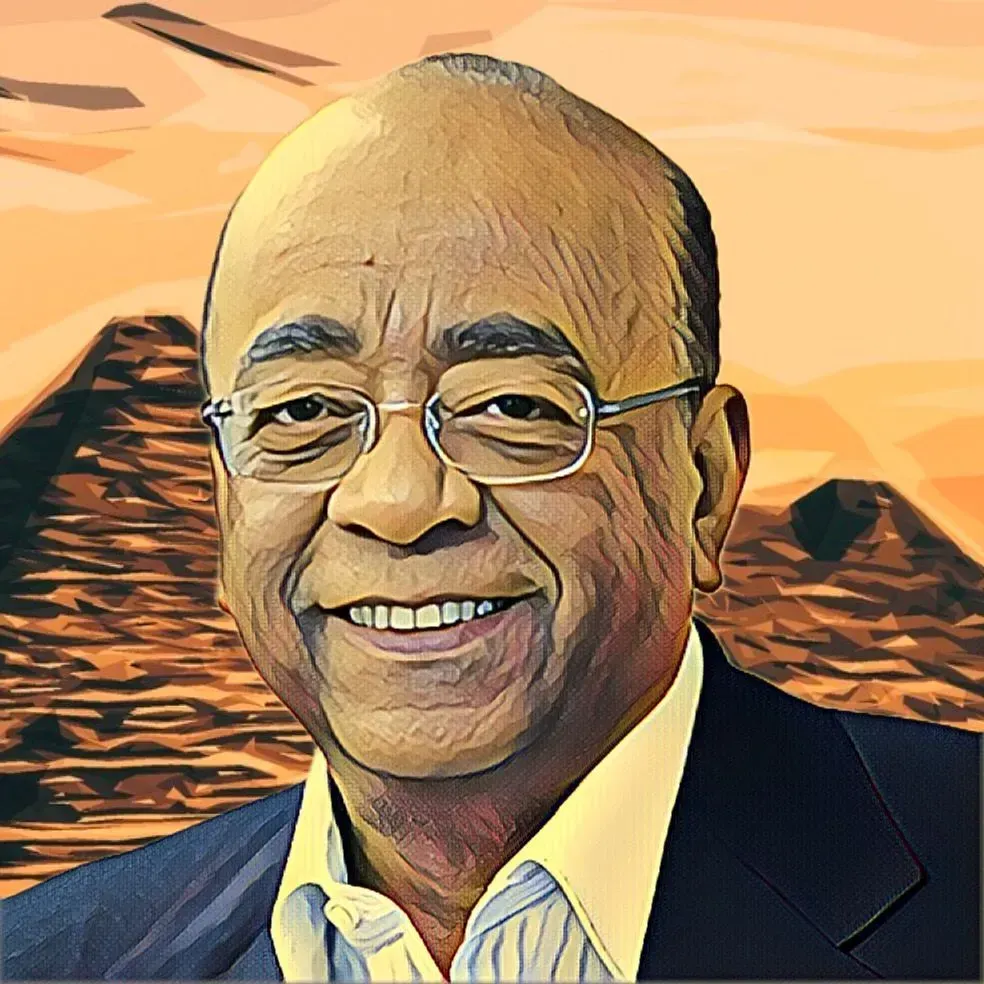
Ole Kina has put 3 names at the centre of the alleged scheme in a bombshell statement delivered before the Senate Energy Committee: Joel Mburu, Supply and Logistics Manager at the Kenya Pipeline Company; Joseph Wafula, Deputy Director of Petroleum at the Ministry of Energy; and Mohamed Jaffer, the 78-year-old Mombasa billionaire whose company One Petroleum Limited was the beneficiary of an emergency import authorisation signed on March 25, 2026, 2 days before a fully loaded tanker with no track record of importing Premium Motor Spirit docked at Mombasa port.
All allegations remain subject to court proceedings and have not been finally adjudicated.
The manufactured crisis
The sequence, as documented by Kenya Insights, begins with a March 9 National Security Council Committee meeting at the Office of the President, chaired by Chief of Staff Felix Koskei. The meeting was convened to address the disruption to Kenya's fuel supply caused by Iran's closure of the Strait of Hormuz, and instructed Petroleum Principal Secretary Mohamed Liban to diversify fuel sources beyond the Gulf region.
By March 18, memos were circulating inside the Ministry of Energy warning of an impending shortage.
Senator Ole Kina's allegation is that no real shortage existed. Kenya's monthly requirement for Premium Motor Spirit stands at approximately 180,000 metric tonnes, he told the committee. The G2G arrangement was that day offloading 36,000 metric tonnes, with an additional 180,000 metric tonnes expected within the following 2 weeks. On those numbers, the country was not running dry. The shortage, he says, was manufactured on paper by people with the power to alter fuel stock data and the incentive to do so.
That power sat with Joel Mburu at KPC. As Supply and Logistics Manager, Mburu controlled the precise intersection of in-country inventory data and import authorisation. Authorities described him as a "key person" in the probe. Administrative action against him was initiated by Koskei's office. Joseph Wafula, sitting above the technical teams at the Ministry, signed off on procurement recommendations. Both men were among officials arrested and questioned by the DCI as the investigation widened.
The cargo that should not have docked
On March 25, PS Liban wrote to One Petroleum director Ali Balala and Oryx Energies CEO Angeline Maangi, authorising each firm to import 60,000 metric tonnes of petrol outside the existing G2G framework. Two days later, the MT Paloma, a Marshall Islands-flagged tanker, docked at Mombasa port at approximately 4:14pm.
Ole Kina's central question is precise: how does a company with no track record in importing Premium Motor Spirit respond to an emergency tender on March 25 and deliver a 68,000-tonne cargo by March 27? Letters of credit take days. Ship charters take days. The MT Paloma's last known port before Mombasa was Fujairah in the UAE, where the cargo had been assembled and loaded long before any emergency was officially declared in Nairobi.
Preliminary investigations indicate the fuel originated from Saudi Aramco before being sold to a separate international firm and redirected through a local Kenyan importer. The diversion through multiple intermediaries before landing outside the G2G framework, investigators say, suggests the cargo was pre-positioned and waiting.
The pricing makes the picture worse. The G2G rate is Sh140,000 per tonne. One Petroleum's consignment was priced at Sh198,000 per tonne, a Sh58,000 premium per tonne that translates to approximately Sh14 more per litre at the pump. A G2G-compliant consignment would have cost Sh8.4 billion. One Petroleum's cargo was invoiced at Sh11.8 billion. The difference is Sh3.4 billion transferred, in a single transaction, from Kenyan consumers to the importer.
The Oryx Energies arrangement, cited separately by Ole Kina, is even more striking. Internal correspondence reviewed by the senator reportedly shows pricing of USD 253.94 per metric tonne against the government's own contracted rate of USD 84.00. Applied across Kenya's 180,000-tonne monthly requirement, that differential represents approximately Sh60 billion per year flowing out of the country through inflated fuel pricing.
The fuel itself
The cargo was not merely overpriced. It was chemically non-compliant.
PS Liban wrote to Kenya Bureau of Standards Managing Director Esther Ngari requesting a temporary waiver on conformity certificates, citing the Hormuz disruption. Trade Cabinet Secretary Lee Kinyanjui subsequently granted that waiver in a letter dated March 28, acknowledging in writing that the petroleum aboard MT Paloma contained "high levels of manganese, sulphur and benzene."
Benzene is a known human carcinogen. Elevated manganese degrades catalytic converters. High sulphur corrodes engines and raises toxic roadside emissions. Kenyan motorists who filled their tanks from stations supplied by this consignment were, without their knowledge, exposed to contaminated fuel over the Easter weekend. Preliminary reports of engine damage linked to the consignment were already circulating before the DCI made its first arrests.
Who Mohamed Jaffer is
To understand One Petroleum's role, Kenya Insights notes, you have to understand its parent. Mohamed Jaffer is the chairman of the MJ Group, valued at approximately KSh16.3 billion ($125 million) by the Africa Report in 2025. His commercial footprint at Mombasa port is without precedent among private individuals: Grain Bulk Handlers controls the bulk of Kenya's LPG imports; Mbaraki Bulk Terminal handles multi-petroleum product storage; One Petroleum Limited, established in November 2010, imports fuel.
Corporate filings show One Petroleum's board includes Jaffer's sons alongside other associates. Its shareholder register includes Mbaraki Holdings Limited, a Mauritius-registered entity holding 41,098 ordinary shares, whose offshore structure investigators say is capable of obscuring beneficial ownership across jurisdictions.
One Petroleum's debt architecture is also notable. 2 debentures dated September 2, 2024 each secure USD 95 million, while 2 deeds of assignment secure a further USD 395 million. This is not a small operator at the margins of Kenya's fuel market.
Jaffer's political reach is as wide as his commercial one. He has been linked to successive Kenyan administrations, was among business figures honoured by President William Ruto at a ceremony on October 20, 2023, and had previously backed opposition leader Raila Odinga. Following the scandal, EPRA Director-General Daniel Kiptoo disclosed that One Petroleum had been formally incorporated into the G2G framework, expanding the number of participating Kenyan oil firms from 3 to 5. The emergency of March 2026, the Kenya Insights investigation concludes, was not the beginning of One Petroleum's relationship with the state. It was the culmination of years of strategic positioning.
The officials who resigned, the minister who did not
On April 4, PS Liban, KPC MD Joe Sang and EPRA DG Kiptoo resigned within hours of their arrest. Deputy Director Wafula resigned weeks later as investigators closed in on the paper trail.
Energy CS Opiyo Wandayi has refused to resign, insisting no legal grounds exist for him to vacate office while investigations remain active. His defence is that the procurement proceeded at the technical level without his direct involvement. But the March 28 waiver request from PS Liban, seeking permission to import fuel with carcinogenic parameters, was addressed to Wandayi's office, not merely copied to it.
Former CS Martha Karua was direct: "There is no way something of that magnitude happens under his watch and he doesn't know."
A petition is before the Milimani High Court seeking Wandayi's suspension. Civil society movement Mtetezi has filed separate litigation seeking transparency in fuel procurement.
Fuel prices in Nairobi currently stand at Sh206.70 per litre for petrol and Sh206.84 for diesel. The government has instructed that One Petroleum's costs not be factored into the April pricing cycle. Pressure on pump prices from mid-April remains, the government has acknowledged.
The MT Paloma sailed south long ago. The investigation it left behind is still very much alive.
The intelligence satisfies curiosity. The paid briefings satisfy strategy.
Every Monday, Elite subscribers receive an Investor Memo breaking down the deal, the structure and the positioning behind the week's most consequential African wealth story - the kind of analysis that doesn't appear anywhere else.
Twice a month, a Wealth Intelligence brief profiles a single billionaire's holdings, cash flows and expansion pipeline in detail no public source matches.
→ Executive ($25/mo): Daily newsletter + Deep-Dive Reports
→ Elite ($75/mo): Everything above + Investor Memos + Wealth Intelligence + Quarterly Analyst Briefings
Subscribe now